


‘Tears’: The strange tale of a lost gospel masterpiece

Musical genres rise and fall in popularity like the changing of the tides, but a select few seem to have retained their popularity against all the odds, largely via morphing and adapting to change with the times. One such genre is gospel music, Christian hymnal music with origins going back hundreds of years. Throughout the 20th century, Black musicians in the United States helped to revitalise the gospel movement, creating stars like Sam Cooke and Aretha Franklin in the process. Some of the greatest gospel artists, however, fell through the cracks.
American gospel originated in the plantations, as Black slaves would sing Christian songs in the fields while being made to work. Over time, the sound of gospel became the sound of Black unity and resilience, and it continued to develop in the years following the emancipation of slaves in 1865. In fact, gospel witnessed a sharp upturn during the early 20th century, as racial discrimination in the United States became more and more pronounced and the civil rights movement began to take shape.
Due to the religious nature of gospel music, each specific church and area of the United States began to develop its own unique take on gospel music, which is something that is still noticeable today. Although many popular gospel singers – the likes of James Brown, Sam Cooke, Arthea Franklin and many others – used the genre as a stepping stone to secular music, mainly funk and soul, gospel always maintained strong roots in certain areas of America. In turn, emerging styles of secular music began to influence gospel, too.
During the 1970s, an increasing number of gospel musicians were influenced by styles of R&B, jazz, funk, and soul music. The resulting sound was utterly infectious and began to draw a dedicated audience made up not only of Christians but also of music lovers in general. One of the most innovative gospel groups of this era came from the city of Gary, Indiana, at the Bibleway Church under pastor Rufus J Nelson.
The Bibleway Church saw music as a method both of praising God and also of growing their congregation. Luckily, their membership included truly incredible musicians and vocalists, including members of the local funk and soul scene. The Bibleway’s take on gospel, therefore, took a lot of cues from funk, soul, and jazz in its composition. Finding a new take on a genre that has been around for hundreds of years cannot have been easy, but the Indiana church found a way to do it.
Although Bibleway constructed some of the most innovative and captivating gospel music of the latter half of the 20th century, the very nature of gospel meant that their presence was largely consigned to live performances. While there is certainly something to be said for music that is shared exclusively within a live environment, this does mean that the incredible music created by Bibleway was only heard by a select number of people around the local Indiana area.
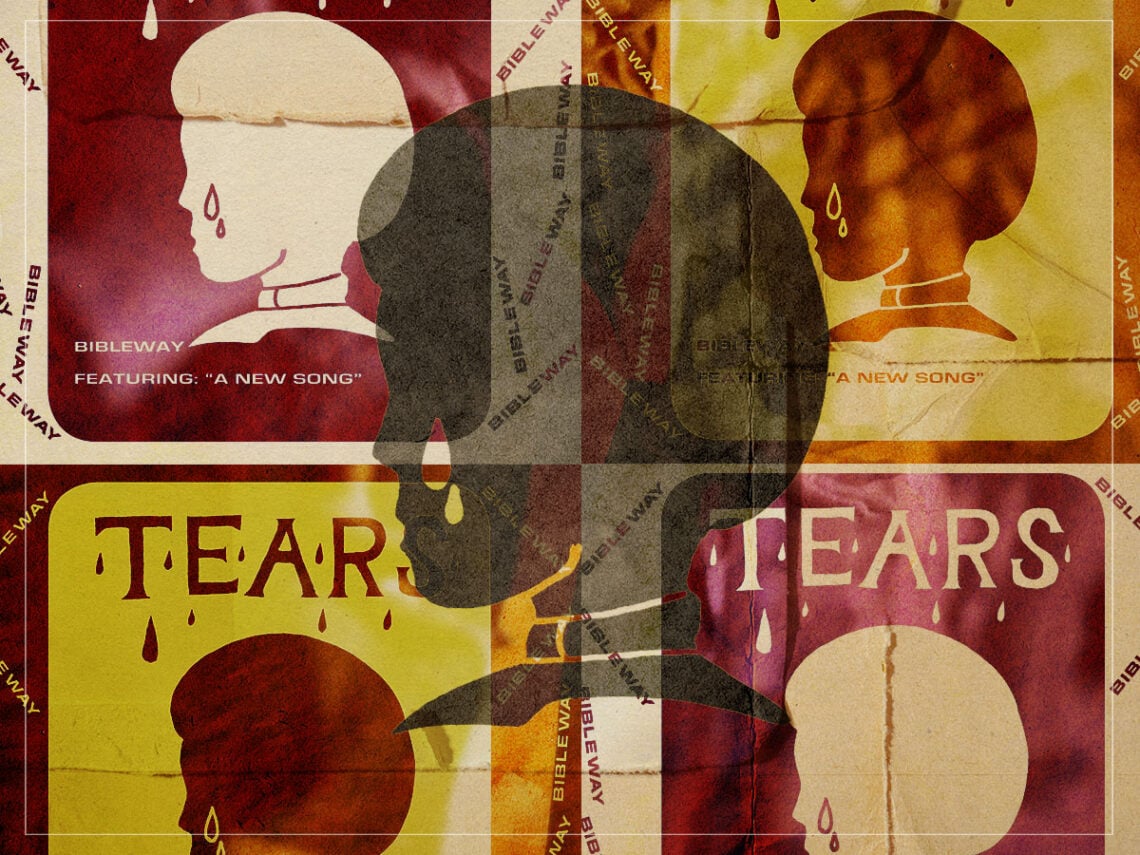
Perhaps in an effort to combat this, Bibleway recorded an entire album, Tears, which was released in 1977. However, given the fact that no major labels within the disco-dominated music industry of the 1970s would have cared about a local gospel outfit, the church had to self-release the album. Given the lack of finance or distribution power of a local church, the album did not make much of an impact outside of Gary, Indiana. For years, Tears was considered a lost album, shut away in the forgotten record collections of local residents who had bought the record upon its initial release.
Luckily, thanks to the efforts of Hungarian record label Time Drift, Tears has now been re-released for modern audiences, and it stands up ridiculously well after all these years. The combination of funk, soul, jazz and gospel creates a sound unlike any other. What’s more, it is almost unbelievable that so many gifted voices, musicians, and performers would all be a part of the same church, seemingly by chance. It might have taken 47 years, but the gospel of Tears can now, finally, be heard and enjoyed by audiences across the globe.
