


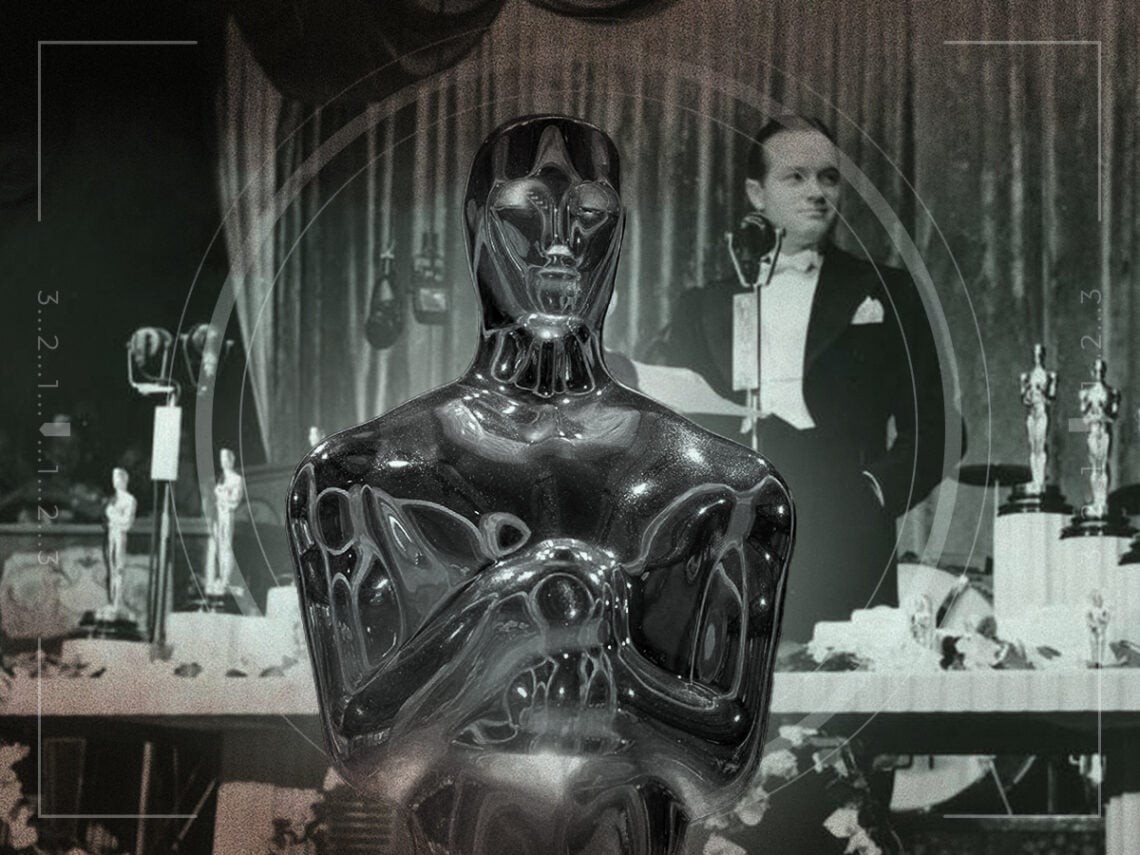
Biscuits and bribery: the tea party that caused the first scandal in Oscars history

Hollywood is a world of scandal. From the strangest hoaxes to heinous crimes, the industry is rife with people acting out of line, seemingly unbothered by the fact that there’s nowhere to hide from the flash of cameras and the surveillant eye of the internet.
Despite the fact that being famous means having your dirty laundry exposed for all to see – you might as well hang up a washing line with a sign that says ‘JUDGE ME’ – that doesn’t stop the most ambitious of stars from ruthlessly going after what they want. When it comes to winning competitions, the worry of maintaining a good reputation goes right out the window for many, like Mary Pickford, who didn’t seem to care that she was blatantly bribing her way into Oscars success.
In fact, she came to be responsible for the first scandal in Oscars history, and all it took was a tea party. Over a very demure spread of little sandwiches and biscuits, Pickford was able to secure the most prestigious prize in cinema history.
The Oscars has seen its fair share of scandals since it began in 1929, and these stories often come to define the ceremonies as much as the actual wins. Well, they usually overshadow the night, reminding us that Hollywood is all about drama and scandal, above anything else. Who can forget when Will Smith angrily spat out the words “Keep my wife’s name out of your fucking mouth” before smacking Chris Rock? That really soured his ‘Best Actor’ win that night.
Then there was the streaker, Robert Opel, who pretended to be a journalist back in 1974, managing to run onto the stage completely starkers as David Niven stood, seemingly unaware, flashing a peace sign in his quest to shock the crowd. Many people found it funny, although it was later suggested that it might have actually been pre-planned. Evidently, the Oscars revel in controversy, even making it for themselves.
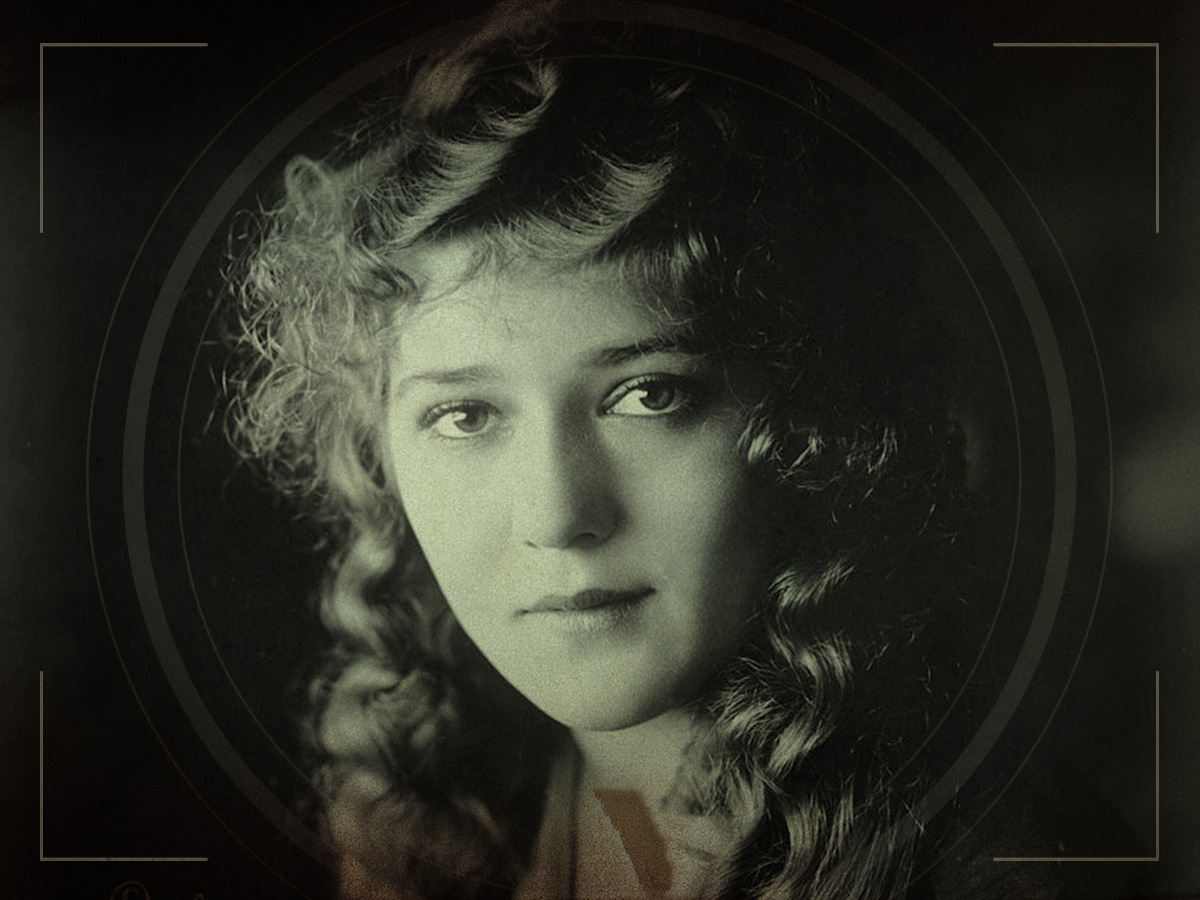
The first controversy wasn’t staged, though; Pickford just really wanted to win an Oscar. Having started her career in 1909 as a child star, Pickford went on to dominate Hollywood with her iconic curly hair and roles as young girls – typically playing an ingenue type – even when she was an adult. People couldn’t get enough of Pickford, so when the Academy Awards was established, she knew she had to get her hands on a prize to solidify her position in Hollywood. Not that she needed to.
With the advent of talkies, Pickford starred in several, although they didn’t prove to be her strongest suit, considering that she had spent two decades performing without having to speak. She was nervous, and filming for her first talkie, Coquette, proved to be difficult, with Pickford firing people when takes weren’t good enough. The pressure of having to deliver lines was taking its toll on her.
Reviews were just fine. Pickford proved that she could be a star of sound pictures, but people weren’t exactly blown away. Her performance really wasn’t Oscar-worthy, but she knew she needed to have a golden statuette under her belt if it killed her. Bribery would have to do.
So, she invited the Board of Judges to her house, which she shared with her husband, Douglas Fairbanks, and due to her star power in Hollywood, it was a glittering success. She managed to win them over, and in 1930, she walked away with a ‘Best Actress’ award.
People weren’t happy about the bribery, though, and Pickford sent shockwaves through Hollywood. Was a tea party all it took to convince the judges that an actor was worthy of an Oscar? Protests against such behaviour naturally emerged, resulting in a change of voting regulations. Now, a ballot would be the new method of voting, leaving Pickford’s bribe as the first scandal in Oscars history – it was naughty, but it inevitably proved beneficial for the future of the ceremony.
