


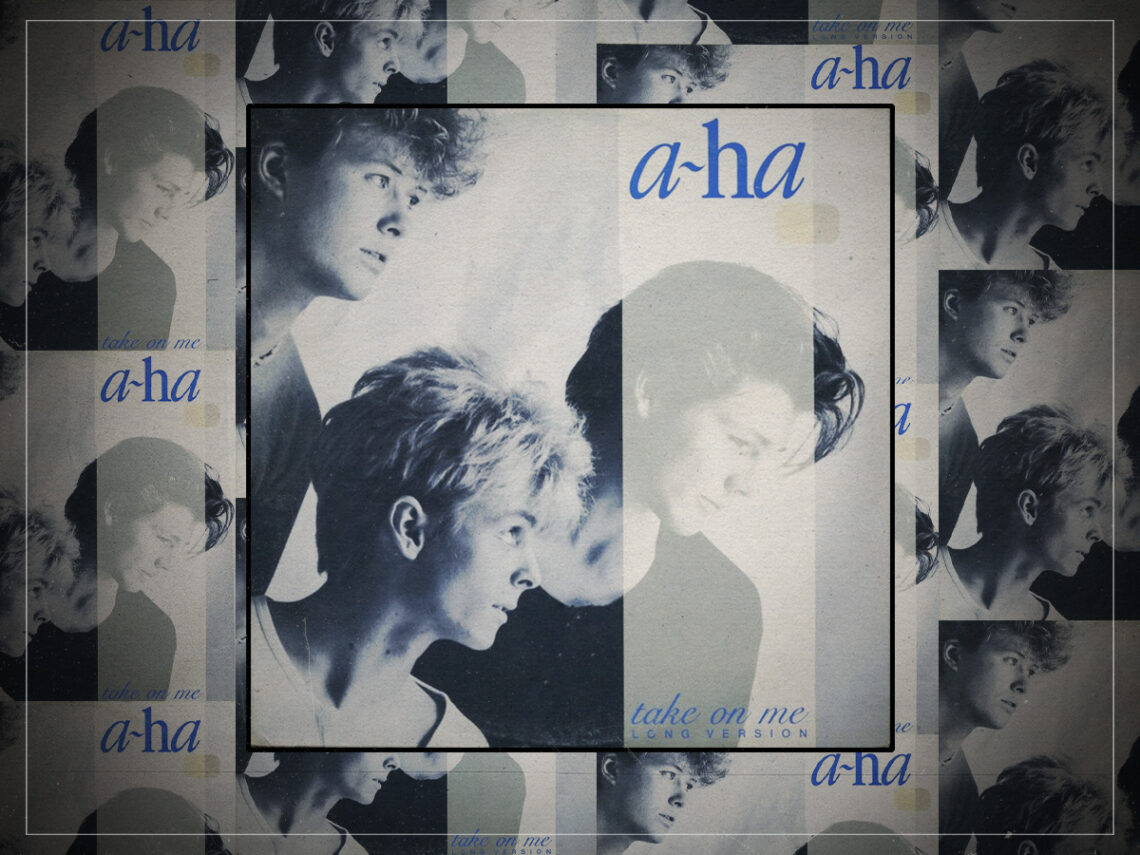
‘Take On Me’ and the most torturous journey to number one in pop history

As much as the concept of an entire television channel being dedicated to broadcasting music videos 24/7 might seem like old hat these days, when MTV first launched in 1981, the idea was revolutionary.
From the very first broadcast of Buggles’ ‘Video Killed the Radio Star’, which proved to be a suitably prescient airing, to the incredible stop-motion video for Peter Gabriel’s ‘Sledgehammer’, which became the most aired video of all time on the channel, MTV completely dominated for a couple of decades until times changed and the advent of the internet took over.
One particular video that was dominant on the airwaves during the early years of the channel was A-ha’s ‘Take On Me’, a track that is now so ubiquitous through having been played in clubs of all descriptions, karaoke nights where people drunkenly think they can hit Morten Harket’s impossible high notes and on radio stations that are so ridiculously enamoured with the idea of retro.
It’s obviously a timeless song, and one that deservedly made a major impact on the pop landscape as well as the new world of music television at the time of its release, with the visuals being incredibly creative for the era as a result of its blend of hand-drawn animation and live action footage.
However, despite the song going on to become a global phenomenon, it almost failed to make it out of the band’s home country of Norway, and had to undergo multiple changes in order to reach the incarnation that everyone recognises today. Not all pop songs start out perfect and have to undergo a degree of fine-tuning in order to be able to be the best versions of themselves, but with ‘Take On Me’ and its lifecycle, things were on a completely different level of hellishness.
The original recording of the song in 1984 wasn’t even the first incarnation of the song, with Harket having changed the title and lyrics several times before committing to recording it. However, the version that only saw a Norway-exclusive release barely made a dent in its home territory, so the band decided to return to the studio to make some tweaks.
Despite making slight alterations to the song, they still didn’t manage to make much of an impression with the second version of the track that was released later the same year, but despite failing by all accounts, Harket wasn’t ready to give up on the song that he believed would be his magnum opus, and returned to the studio a third time to try and perfect things.
Alongside producer Alan Tarney, the third version was given a much more ebullient and joyful tone, and when the synth motif was added, they felt as though they’d finally cracked the code to turning it into a major hit. However, the level that it managed to reach was far beyond the expectations they had set out with, with it reaching number one around the world and dethroning Dire Straits’ ‘Money For Nothing’ from the top of the charts in the US.
Of course, the video’s constant airplay did a lot to aid the track given the rising popularity of MTV at the time, but it was the fact that they’d fine-tuned the song so many times that ultimately made it the smash hit it’s known as today. Harket even acknowledged his belief in the song several years later, claiming, “It was just this feeling that the song had to work somehow. We believed in it completely.”
He couldn’t have been more on the money.
