


‘Suspense’: Lois Weber and the early split screen

Immortalised by scholars and cinephiles as one of the most influential auteurs of the silent era, Lois Weber was an incredibly gifted artist whose works continue to have a profound impact on modern cinema. Having produced a formidable output that exceeded 100 directorial projects, Weber played a seminal role in shaping the traditions of American filmmaking as well as the production infrastructure of the emerging art form.
Exercising complete control over the creative vision in her projects as well as the production process, Weber will always be an inspiration to many women who were routinely marginalised and sidelined by executives in the industry. Among the first to explore the possibility of merging silent film with sounds as well as creating feature-length experiences, Weber was ahead of her time in countless ways and actually anticipated future trends.
One such work is her 1913 film Suspense, made in collaboration with her then-husband, Phillips Smalley. In addition to her directorial inputs, Weber also starred in it as a new mother whose husband works long hours, which leaves her alone with the child in their isolated house. Due to the property’s remoteness, their maid suddenly decides to quit the job, resulting in a disastrous situation for Weber’s character and her infant.
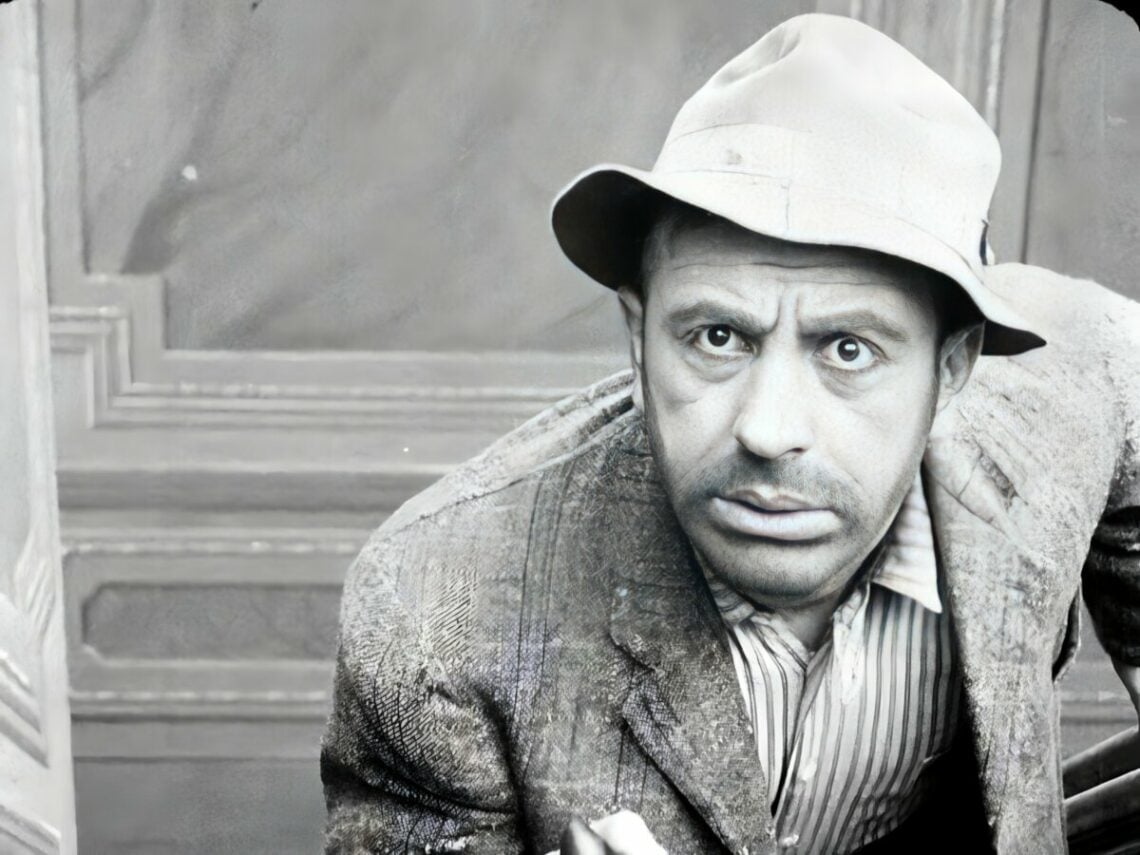
The story itself is quite prejudiced and clichéd, portraying a homeless man as the antagonist who breaks into the house and tries to terrorise the defenceless family. However, in Suspense, the story itself is as irrelevant as the narrative trajectory of a porno. It’s the masterful visual language on display that still captures the attention of modern audiences, urging them to re-examine the frameworks of the thriller genre that they are familiar with.
Presenting one of the first uses of the split screen, Weber efficiently utilises the on-screen space to depict three simultaneous events that are deeply interconnected. While most modern splits divide the screen horizontally or vertically, Weber actually employs an interesting triangular split that is rarely used today. It’s almost like looking into a kaleidoscope that splits time, making audiences feel as if cinema could grant omnipotence.
While the thriller genre was obviously not properly developed at the time of Suspense’s release, it incorporates several proto-thriller elements to increase the intensity of the otherwise lacklustre narrative. Alongside the fascinating early version of the split screen, Weber used POV shots and rear-view mirrors to transform a regular car chase into an exciting spectacle. If Alfred Hitchcock’s Psycho is the father of all modern thrillers, Suspense is undoubtedly the genre’s grandmother.
Watch the film below.
