


Are we stuck in a pit of cultural nostalgia?

Do you remember the good old days? Of course you do, we all do. The grass is always greener on the other side of the fence we just leapt over, and when this fence is a 40th birthday, the turn of a century or The Beatles filing for divorce, there’s no going back. The past is a forbidden fruit, and the future an immeasurable, unpalatable prospect shoved down our throats.
Even if your childhood was nothing much to write home about and you spent days upon days in a dark haze of teenage angst, spinning Cure records waiting to grow up, you have probably looked back at even the rainiest of those days with the peculiar fondness only nostalgia can bring.
This nostalgia eats away at us while the comfortable eternity of youth falls further from our grasp. As we entertain this cheery prospect, we look to maintain relative consistency in our day-to-day lives. Many of us find comfort in routine, whether that involves putting the left shoe on first or watching Love Actually “religiously” every Christmas. In repeating ourselves, we perhaps attempt to cheat time.
This certainly seems to be a habit of the entertainment industry. A constant cycle of repurposed classics looks to ensure that our old friends, like Han Solo, Harry Potter or even the Addams Family, never leave our side. The comfort in protraction and reprise helps us forget the reality of ageing.
A phrase I hear a lot is, “Time flies when you’re enjoying yourself.” I counter this with my own, more truthful yet less catchy one, “Time flies.” Deep down, we all know that time shoots by at a seemingly exponential rate as we hurtle through the years, whether we spend them watching endless re-runs of Friends, or the walls, as a new coat of paint dries. Even if you do feel time moving faster under the influence of entertainment, would you bore yourself senseless to simulate immortality?
Certainly not! We’re modern human beings, thirsty for the media. We laugh at sitcoms, slather over the prospect of yet another Marvel film, fill our ears with Spotify to evade human interaction and shake our fists on Twitter while secretly finding entertainment value in watching the world fall apart on the 9 o’clock news.
Thanks to the staggering technological developments of the 20th century, we’re spoilt for choice. If healthcare becomes advanced enough that I can live into my 300s, we could stop creating new television now, and I still wouldn’t reach the end of it by my 400th birthday. But what irks me is this modern obsession with rereleasing and reprising blockbusters from “the good old days”. If it was a viral hit in the 1970s or ’80s, you could bet your bottom dollar they’ve slapped on a sequel, prequel or mini-series spin-off.
Allow me to analogise the entertainment industry to heroin addiction: Filmmakers seek an easy financial high by piggybacking an old sci-fi franchise. Meanwhile, entertainment value and dignity fall into a widening black hole of decadence.
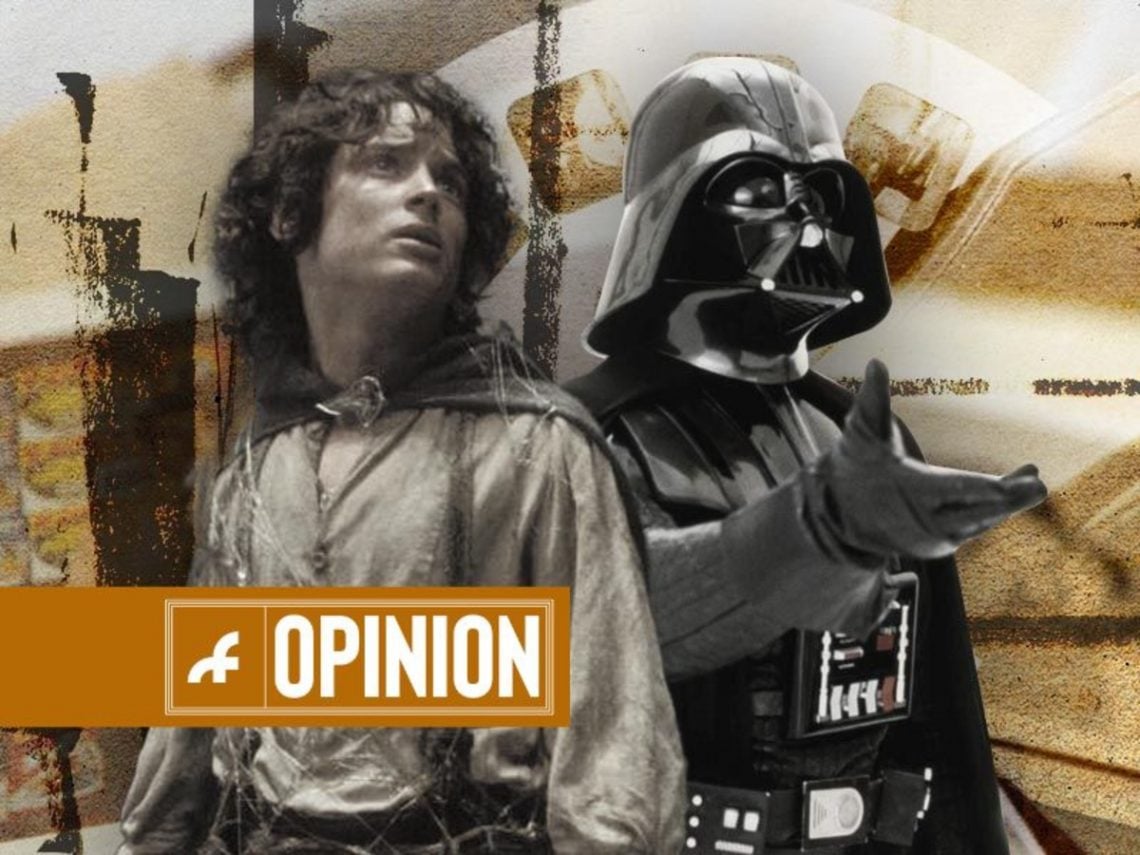
Apart from the monetary motive of filmmakers and production companies, we, the audience, are also guilty of wanting more of the things we perhaps shouldn’t. When should Star Wars have stopped? Millions of fans were understandably licking their lips when George Lucas announced the second wave of films, that prequel trilogy that aired between 1999 and 2005. After these disappointingly ostentatious films, surely we could realise that furthering the franchise would only serve to damage it?
Sadly, like water, money erodes the path of least resistance, and Lucas sold the rights of his once-beloved universe to Disney for further butchering. Star Wars is not alone in this blind subservience to nostalgia; The Lord of the Rings is in the midst of a new television series, The Rings of Power. Meanwhile, director Chris Columbus recently expressed his desire to make a new Harry Potter film despite the underwhelming Fantastic Beasts saga.
It’s an insatiable thirst; this relentless slapping of mortar into cracks counterintuitively weakens the wall. With all these adages, we leave so little to the imagination. Those who value book reading will agree that a gap to fill with imagination is an integral part of storytelling, and yet we’re strangling it.
Just as we insist on keeping frail centenarians aloft of the flat line with all manner of profit-driving medication and an encouraging telegram from the monarchy, we allow our cultural blessings to wither under the light.
I would be the first to say things aren’t as good as they were in the “good old days”, but I’m happy to enjoy old films, television and music without the need for endless rehashes. Perhaps nostalgia is the rusty link in the chain of modern pop culture. We’re not allowing new classics or icons to be born. This is even more apparent in the music world.
Melophiles often complain that modern music is a load of formulaic, regurgitated garbage. I beg to differ; the plate of tripe thrown under our noses on Radio 1 might well be, but if people dig a little deeper, truly inspired and innovative art exists on the fringes of this metaphorical restaurant. The money-hungry industry is forcing artistic value out the window just as Mr. Creosote’s paunch forces the dinner table away from his greedy mouth. Don’t feed Mr. Creosote; support your local music venues and feed the lean waiter.
To encourage enticing novel creation, we need to consume the change we want to see in the entertainment industry. Could you boycott that inevitably shoddy prequel in favour of the human imagination?

Never Miss A Beat
The Far Out Beatles Newsletter
All the latest stories about The Beatles from the independent voice of culture.
Straight to your inbox.