


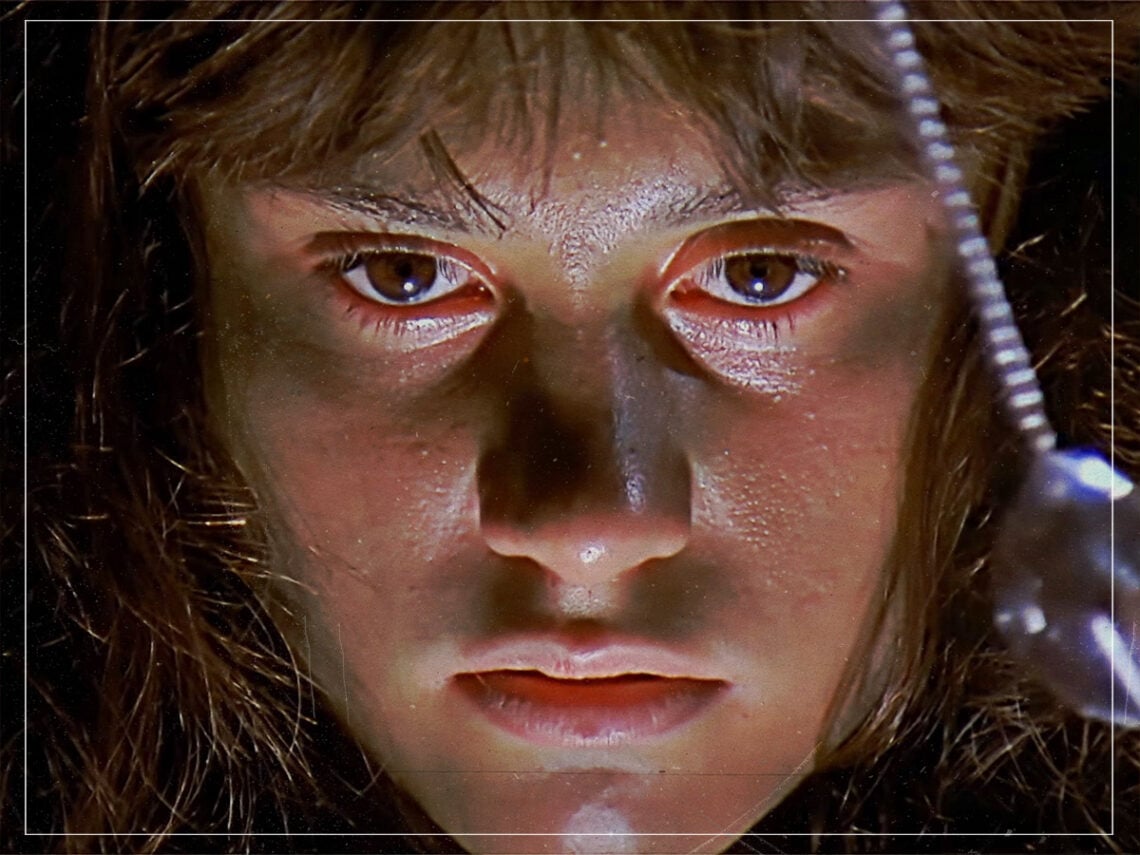
‘Seytan’: the wildly strange Turkish remake of ‘The Exorcist’

Remakes and imitations are all too popular in the B-movie industry, with directors often ripping off ideas from popular hits in order to get their own exploitation flicks made, which almost inevitably end up in the domain of parody. While the quality of these movies is highly debatable, they at least offer some creative spins on the source materials. The same cannot be said for the strange Turkish remake of William Friedkin’s The Exorcist.
Friedkin’s 1973 supernatural horror gem was a monumental addition to the genre in more ways than one, becoming the first horror movie to be nominated for ‘Best Picture’ at the Academy Awards. Racking up more than $190million at the end of its initial run in the theatres, it was not only a massive commercial success, but the widespread nature of the critical appreciation it received made many sit up and take notice of the artistic value associated with horror cinema.
Inevitably, it inspired countless filmmakers who incorporated Friedkin’s approach to the craft in their own works of art. Like many other breakout hits such as Steven Spielberg’s Jaws, directors around the world also set out to make their versions in hopes of cashing in on the trend. What sets Metin Erksan’s Turkish Exorcist apart from many of these projects is that it was a virtually shot-for-shot remake.
Titled Şeytan, the low-budget remake features a 12-year-old girl named Gül from Istanbul who is subjected to demonic possession after messing around too much with an Ouija board. Unlike the B-movie directors who usually sign up for such projects, Erksan was actually a critically acclaimed Turkish auteur who had previously won the prestigious Golden Bear at the Berlin Film Festival.
He was the creative visionary behind Susuz Yaz (translated as “Dry Summer”), which not only had immense sociopolitical value but was also preserved by none other than Martin Scorsese’s World Cinema Foundation. That’s why it’s somewhat perplexing why Erksan would make such an unworthy remake, especially when he wasn’t adding much to it.
“You should make two-thirds of your film suit what the market asks for while the final third is yours, and you can do whatever you wish to do with it,” Erksan once said in an interview. However, those who have seen Şeytan would probably argue that all of it belongs to Friedkin.
Despite the lack of creativity in the imitation, the political conditions that led to the creation of Şeytan are definitely more interesting than the movie itself. The original Exorcist was banned in the country for a number of years, which meant that the filmmakers had to travel outside Turkey in order to watch and transcribe the screenplay for their version.
The Turkish version also moved away from the omnipresent religious symbolism of Friedkin’s masterpiece, choosing to have professionals like an archaeologist perform the exorcism. From that perspective, Şeytan becomes quite an interesting watch, given the audience focuses on the ways in which Erksan handled some of the translations of the culturally sensitive issues that might have bothered Turkish audiences.
