

The 10 greatest sci-fi horror films of all time
Read More


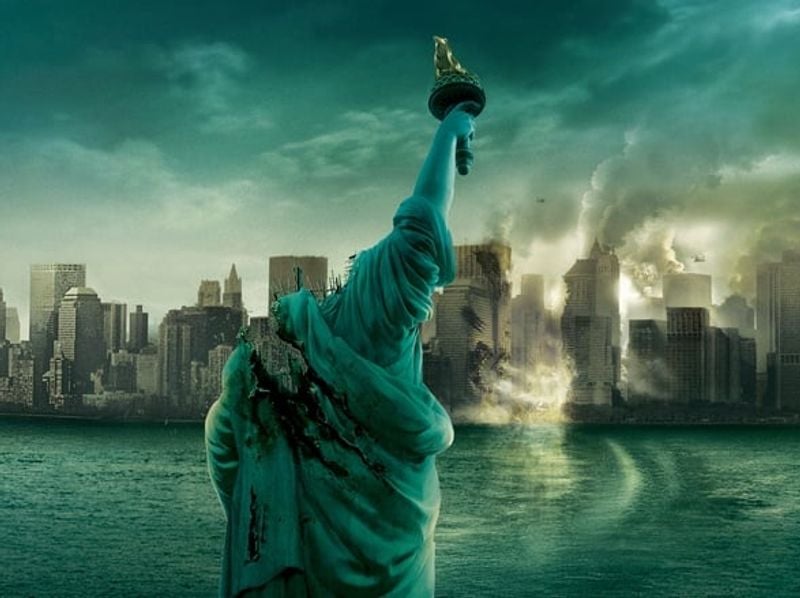
The sci-fi genre is teeming with life, both gruesome and gorgeous, featuring disturbing creatures from the darkest corners of one’s imagination as well as wondrous beasts who sparkle with organic glitter. Arguably cinema’s most dynamic form of filmmaking, the likes of David Cronenberg, Ridley Scott, Christopher Nolan, James Cameron, John Carpenter, and Denis Villeneuve, have each given their unique vision to the versatile genre.
Many of the most gruesome sights in sci-fi cinema come in the form of the movie monster, a concept that was popularised in the 1970s and 1980s when movie franchises were on a rapid rise and Hollywood commercialism invited endless opportunities for merchandising. The likes of the Great White shark of Jaws, A Nightmare on Elm Street’s Freddy Krueger and the strange cosmic entity of The Blob defined this era, building off the foundations of Universal’s horror villains of the 1940s and 1950s.
Though, the villains and gruesome monsters of modern cinema are far more horrific than the rubber costumes of mid-20th century horror. No doubt the likes of Dracula and Frankenstein’s monster would run/hobble away from the contemporary ghouls on display in contemporary horror, putting their rather PG nature to shame.
One such modern beast was the gigantic creature of Matt Reeves’ much-hyped 2008 movie, Cloverfield. Standing between 240-300ft, the sci-fi being has become one of the most beloved movie monsters of modern cinema, causing destruction across New York City as it stomped on almost the entire population of the city. A mammoth ghoul on stilts, surprisingly, it wasn’t the creature itself that forced audiences to run from the cinema in nauseous pain.
Inspired by the colossal success of the found-footage horror movie The Blair Witch Project, Reeves doubled down on the shaky-cam feature and made a monster flick that many people couldn’t even bear to sit through. Complaining of motion sickness and migraines due to the erratic cinematography, Cloverfield made many audience members sick through no result of its own horror.
This sensation was reported across the world, and after a while, even the term ‘Cloverfield Illness’ was born, with WebMD stating: “While watching Cloverfield, viewers were sitting still in their seats, so their inner ear was telling their body they were motionless. But the bumpy camera movements — and their eyes — misled them into thinking they were moving around erratically”.
At the time, Roger Ebert dubbed the shaky-cam cinematography ‘La Shakily Queasy-Cam’, with the public reaction forcing theatres across the world to warn audiences of the sensation.
Putting posters up in the foyer, warnings at AMC theatres read: “Due to the filming methods used for Cloverfield, guests viewing this film may experience side effects associated with motion sickness similar to riding a rollercoaster”.
Take a look at the trailer for Cloverfield below, and make sure to heed AMC’s warning.
All the latest film news from the independent voice of culture.
Straight to your inbox.
