


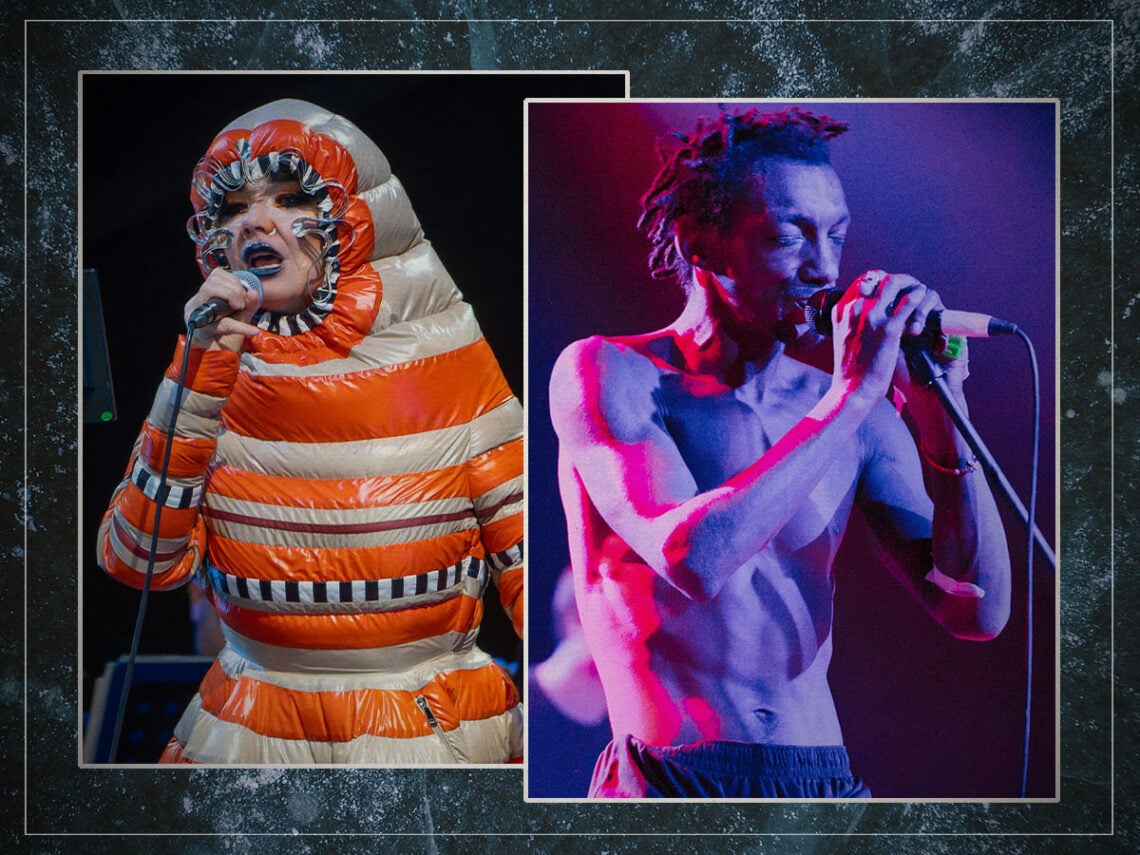
Trip-hop tips: The strange advice Björk gave Tricky

The immersive and atmospheric swirl of nocturnal hip-hop, haunted soul, and sound system culture that struck Bristol in the mid-1990s flashed a more introspective counter to Britpop’s knees-up nostalgia that dominated the charts.
Tagged as “trip-hop”—a term that fails to acknowledge the depth of genres at play—groups like Portishead and Massive Attack crafted ruminative slices of jazzy-soaked electronica that organically dwelt in the city’s working-class St Paul’s suburbs, yet imbued with languid psychedelia conjured from a realm far more mysterious.
Yet for many of the movement’s fans, it’s Knowle West rapper Tricky who towers over the scene. Born south of the city and living the life of a young delinquent, a spell in prison triggered a refocus toward a different path. With music in the blood—his father Roy Thaws operating the Studio 17 “Tarzan the High Priest” sound system along with his uncle Rupert and grandfather Hector in the 1960s—Tricky found himself in Massive Attack’s DJ predecessor crew Wild Bunch and eventually lending his distinctly hushed and intense vocal stylings to several tracks on 1991’s Blue Lines.
Crossing paths with the singer Martina Topley-Bird and cutting some early demos, Massive Attack’s rejection of the new material encouraged Tricky to part ways with the band and, upon signing to Island Records, began cutting 1995’s solo debut. Named after his mother, who died when he was four, Maxinquaye won unanimous critical acclaim for its intrepid sonic palette of samples and stylings, personal lyricism, and an idiosyncratic approach to songcraft.
Around this time, Tricky became romantically involved with Icelandic experimental pop royalty Björk. Riding a similar trajectory toward stardom in the early 1990s, Björk’s jump from former indie group The Sugarcubes toward alternative explosion off 1993’s Debut—co-producer Nellee Hooper similarly soaking her leftfield art pop in “trip-hop” flavours—was carried someway by her wholly untamed and original vocal delivery.
A unique singing manner results in an unimitable pop character, an asset Björk urged Tricky to cling to when grappling with his creatively naive approach to his work.
“I don’t know that something can’t work,” Tricky told Huck in 2020. “People have been telling me for years I have weird time signatures. For me, it’s not weird: that’s just how I hear things. This is why my music doesn’t age—it’s because I don’t know how to make a traditionally formatted song. I was tempted to get vocal lessons once and it was Björk who said to me ‘Don’t do it!’ She said I have weird melodies and if I learn to sing, it might take it away from me”.
She’s not wrong. The unschooled, raw directness of Maxinquaye and the plethora of albums that followed owe plenty to Tricky’s unfiltered character that hovers over every beat, sample pilfer, and intimate lyrical confessional all twisted around his unmistakable rap style. While Björk would continue to rise as one of contemporary music’s most lauded icons, Tricky would keep a low profile but no less creative body of work, counting 17 albums to his name and eschewing all social media to divert all attention and energy into his craft.
