


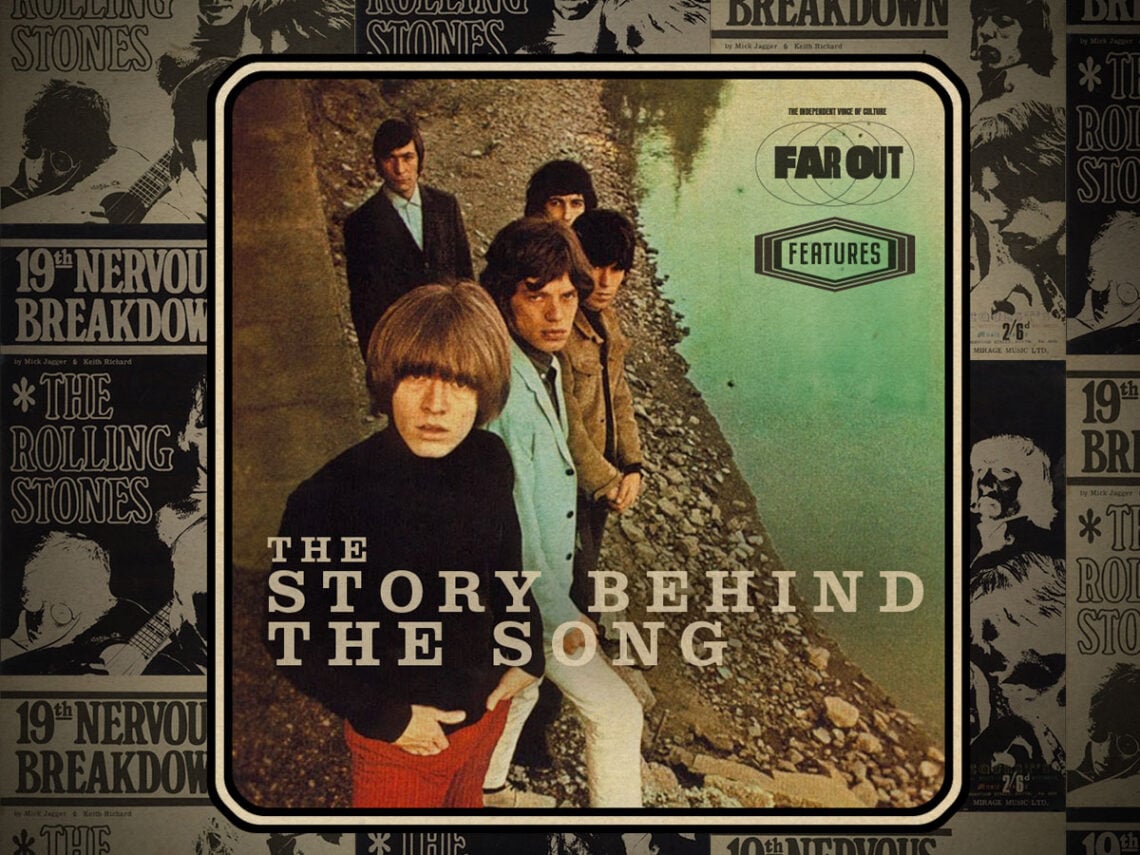
The Story Behind The Song: How The Rolling Stones poked fun at forced ennui on ’19th Nervous Breakdown’

Being thrust into the spotlight and hailed as the future of any cultural art form at a young age can be daunting, and the pressure put on artists in this regard can quite often lead to severe mental health episodes.
Of course, in the 1960s, when bands like The Beatles, The Kinks, and The Rolling Stones were all being hailed by the UK press as akin to the second coming of Christ, there wasn’t as much discussion about mental health taking place in society. If you felt sad, frustrated or unable to cope with the pressure being placed on you, you had to suck it up, especially if you were a young man who was always on the receiving end of advice to toughen up.
So, when the Stones’ frontman Mick Jagger announced to his bandmates towards the end of a gruelling tour in the US in 1965, mere months after they’d first broken into the charts in the States, that he felt ready for his “nineteenth nervous breakdown”, the band didn’t heed this as a warning sign that Jagger needed to be looked after. Instead, they took it as inspiration for a song, which would end up bearing the very same string of words as its title.
It wasn’t as though Jagger was being serious in the first place, but the fact that they’d been working for five weeks straight at the time led him to joke that he was on the edge of a complete collapse in his sanity, which would have been completely understandable given the circumstances. However, what Jagger chose to do in the lyrics for the song was poke fun at those who have it all on a plate in front of them and still manage to bemoan how the odds are stacked against them.
At the same time, Jagger was frustrated with public perception of him, seeming to paint him as a drug fiend and someone who glamorised substance use and general debauchery, so he wanted to clear his name by making a sarcastic song that essentially proved there are others out there who do far worse than he does.
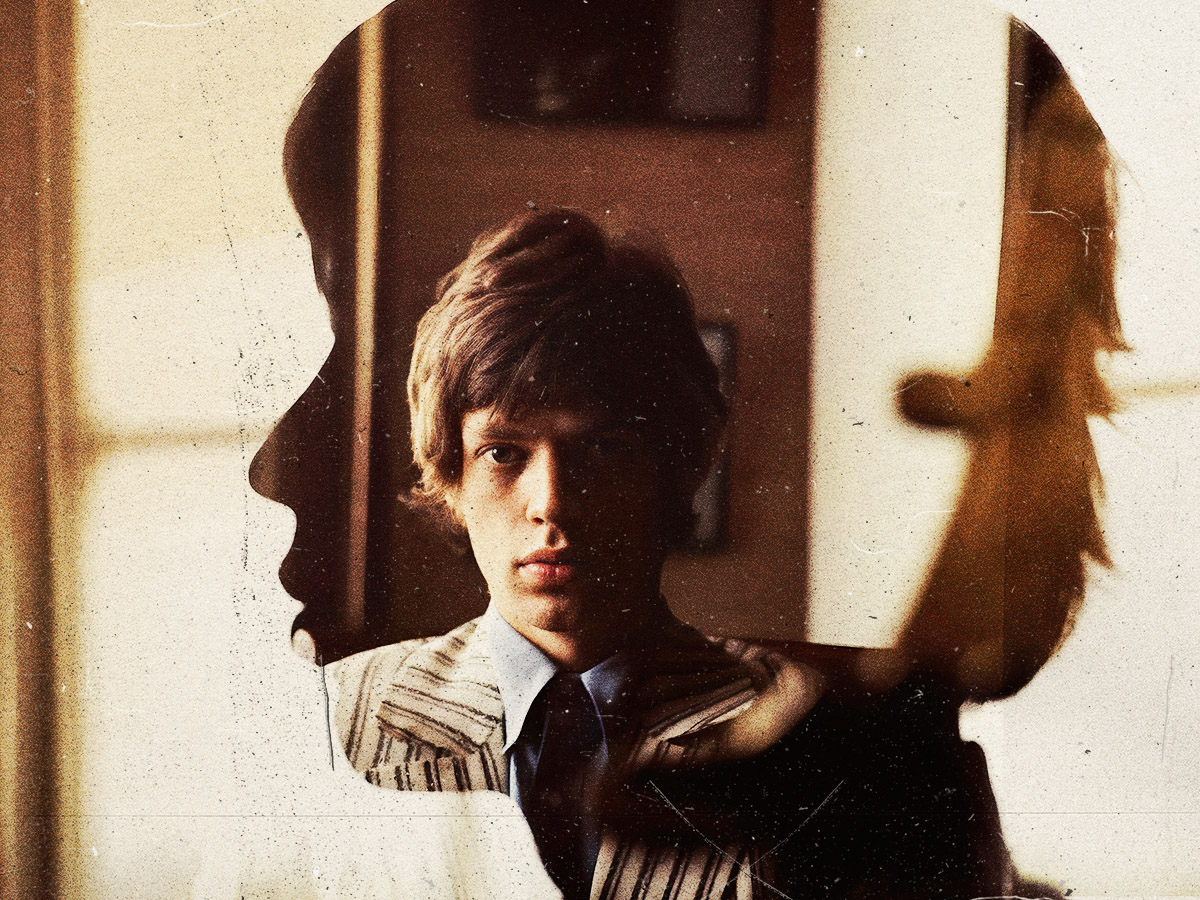
In a comment made to the Rolling Stones fanzine at the time, he said: “Things that are happening around me – everyday life as I see it. People say I’m always singing about pills and breakdowns, therefore I must be an addict – this is ridiculous. Some people are so narrow-minded they won’t admit to themselves that this really does happen to other people besides pop stars.”
It’s not as though the song doesn’t make reference to drug use, though, and while the band tried to be subtle about their allusions to such illicit activities, it wasn’t enough to outfox some of the more switched-on listeners. Lines such as “On our first trip I tried so hard to rearrange your mind” aren’t exactly cute about how the band were into taking mind-altering substances, and with the growing attention being paid to bands like the Stones and their excessive habits, some began to frown upon them for being so frank about their use.
Jagger would later reflect on it being rather amusing to him that people even saw a reason to be outraged by the song. “I mean, the idea that anyone could be offended by it really is funny,” he scoffed.
“But I remember some people were. It’s very hard to put yourself back in that period now – popular songs didn’t really address anything very much. So songs like ‘19th Nervous Breakdown’ were slightly jarring to people. But I guess they soon got used to it. A couple years after that, things took a sort of turn and then saw an even more dark direction. But those were very innocent days, I think.”
It’s far from being the most controversial song that The Rolling Stones ever released, and perhaps not even the most controversial from this particular period of their career, but it certainly highlights just how much Jagger and the rest of the band wished to prove that they could cause a stir if they wanted to, and the more polished they became as a group, the more confident they became at pushing people’s buttons in this way.
