


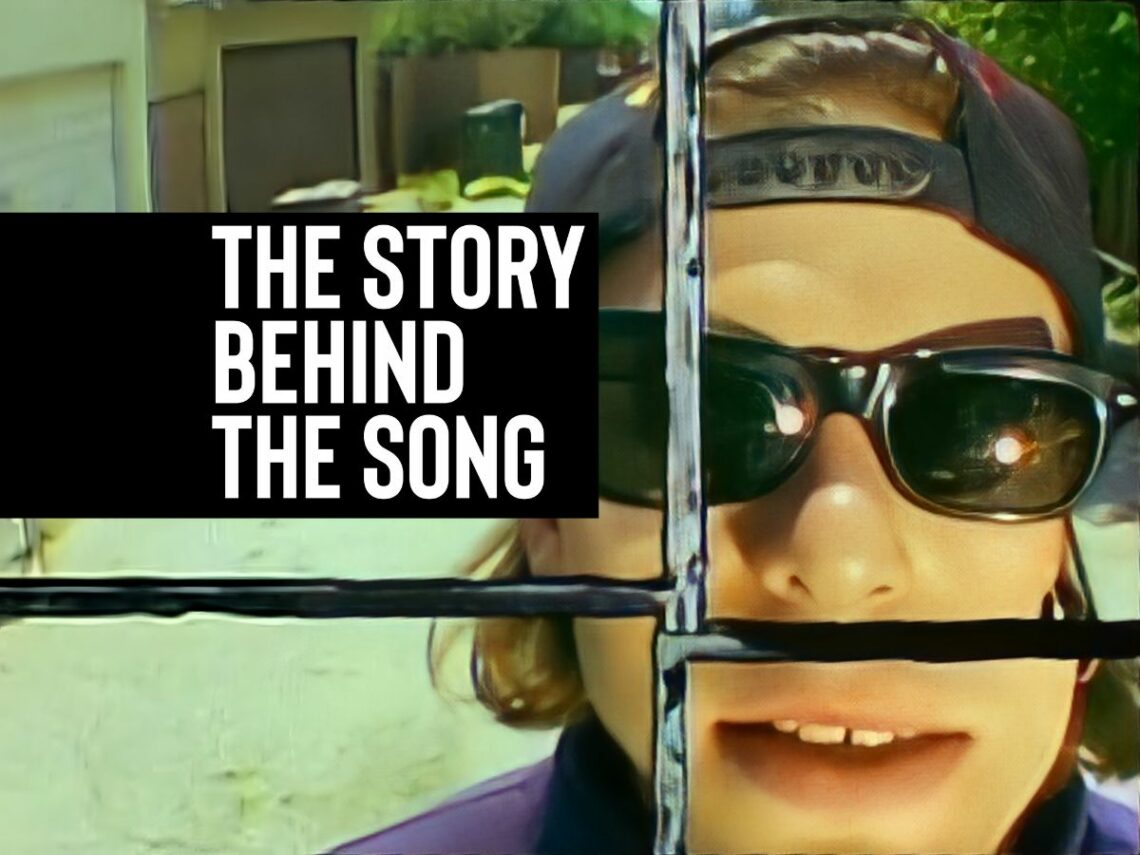
The Story Behind The Song: How Gin Blossoms created ‘Hey Jealousy’

It was one line that made the difference. For nearly half a decade, the Arizona-based alternative rock quintet known as the Gin Blossoms had been furiously workshopping a song from guitarist and main songwriter Doug Hopkins. There had been arrangement changes, tempo changes, and style changes that went down in rehearsal spaces, studios, and live shows. But a single changed word by lead singer Robin Wilson proved to be the perfect illustration of the difficulties that surrounded the band.
“You can trust me not to think / And not to sleep around,” was how millions of people heard it. But Hopkins originally wrote, “You can trust me not to drink”. By all accounts, Hopkins was a mess: an alcoholic dealing with major depression throughout his life. Those issues could occasionally fuel his artistic muse, but on a day-to-day basis, it was a pain in the ass for his bandmates to deal with as they tried to make the leap into mainstream rock.
“There were so many references to drinking, you know, in our songs,” Wilson told Forbes in 2019. “I would try to steer it away from that all the time. The band was called Gin Blossoms, which, as you know, is a reference to heavy drinking. We had all of these lyrics about it, and it was something we seemed to be talking about too much. I didn’t think it was that big of a deal to change one word.”
Hopkins first wrote ‘Hey Jealousy’ in the late 1980s. Gin Blossoms were making a name for themselves as a scrappy bar band in the Phoenix area, and when the band hobbled into Whipping Post Studio to record their independent debut album Dusted in 1989, they collected their best material. That included three of Hopkins’ best-known songs: the explosive ‘Lost Horizons’, the bittersweet ‘Found Out About You’, and ‘Hey Jealousy’. The band were signed to major label A&M, the same record company that took a chance on Seattle grunge legends Soundgarden.
After a false start with the 1991 EP Up and Crumbling, it was time to focus on recording a proper studio album. Hopkins’ material accounted for half of the albums songs: the band re-recorded ‘Hey Jealousy’, ‘Found Out About You’, and ‘Lost Horizons’, and Hopkins added the new songs ‘Until I Fall Away’ (co-written with Wilson), ‘Cheatin’ (co-written with guitarist/vocalist Jesse Valenzuela) and ‘Pieces of the Night’ to the band’s repertoire. Hopkins even got so far as to record all of his guitar parts for the record when the band reached a breaking point. His antagonism toward A&M had reached a new high, and when coupled with his intense drinking habits, the rest of the band were given an ultimatum: fire Hopkins or get dropped from the label.
Just as the finishing touches were being put on New Miserable Experience, Hopkins was ousted from the Gin Blossoms. Initially, it didn’t seem like he was missing out on much. The album tanked as edgier alt-rock was on the rise, and the band was just scraping by. Nearly a full year after New Miserable Experience was initially released, the label decided to give it one more try by releasing ‘Hey Jealousy’ as a single.
“One day we get a call from the label that they were going to try ‘Jealousy’ again and make another video for it,” Wilson told Rolling Stone during the 25th anniversary of New Miserable Experience. “The budget for the first was five grand; the second was ten grand; and the third was 40 grand. That’s when I was like, ‘Holy shit, they’re serious.’ At that point, we had been in the van for six months, just a blur of college cafeterias, interviews and opening for whoever we can.”
The extra push proved to be vital: ‘Hey Jealousy’ began climbing the charts – first the Modern Rock charts, and then the mainstream pop charts. By October of 1993, ‘Hey Jealousy’ peaked at number 25 in the US (it reached one spot higher on the UK Singles Chart). The song’s success began to boost sales of New Miserable Experience, and the Gin Blossoms were beginning to graduate up to the big leagues as a nationally popular rock band. Meanwhile, Hopkins was back in Arizona.
When ‘Hey Jealousy’ sold 500,000 copies, Hopkins was sent a gold record as the song’s writer. A major dream had come true, but Hopkins had to watch as Gin Blossoms went on TV shows and performed his material. Rolling Stone reported that Hopkins gave up half of his publishing rights and all of his monetary stake in the band before his exit. The gold record only lasted a few days: it was taken down and then destroyed. Hopkins’ attempts to start new bands were going nowhere. His depression was reaching new heights while his drinking became unstoppable. On December 5th, 1993, Hopkins shot himself with a .38 calibre pistol and died at the age of 32.
The barely-disguised feelings of regret, loss, longing, and mistakes weren’t hard to see in Hopkins’ work, but they continue to linger in the three decades since his death. Gin Blossoms couldn’t stop: they were at the height of their commercial success. But the tragedy of Doug Hopkins permanently affected their dynamic, not to mention their songwriting and musical direction.
“Doug had so much talent. I liken him to a Noel Gallagher. He could have been this bandleader that would have really had a huge impact on the music of the day,” Wilson told Rolling Stone. “I think he knew that was right there for him, and instead of stepping up and taking a real leadership role, he fell in the other direction. … It still is heart-wrenching to think about what could have been.”
Despite the darkness that surrounded it, ‘Hey Jealousy’ continues to be a strange beacon of hope and optimism. The mix of despondent lyrics and aggressively catchy pop-rock guitars (infamously dubbed “jangle pop” at the time) would be reviled and celebrated in equal measure as tastes in rock music changed. But if you go to a Gin Blossoms concert today, there’s a one hundred per cent chance that you’ll hear ‘Hey Jealousy’. It’s the song that gives the band a reason to continue existing. It’s the song that keeps people talking about Doug Hopkins. It’s a candy-coated hand grenade than can still catch you off guard 35 years after Hopkins first conceived of it. There’s a massive legacy behind ‘Hey Jealousy’, even if no one involved in its making was happy with how it got that legacy.
