


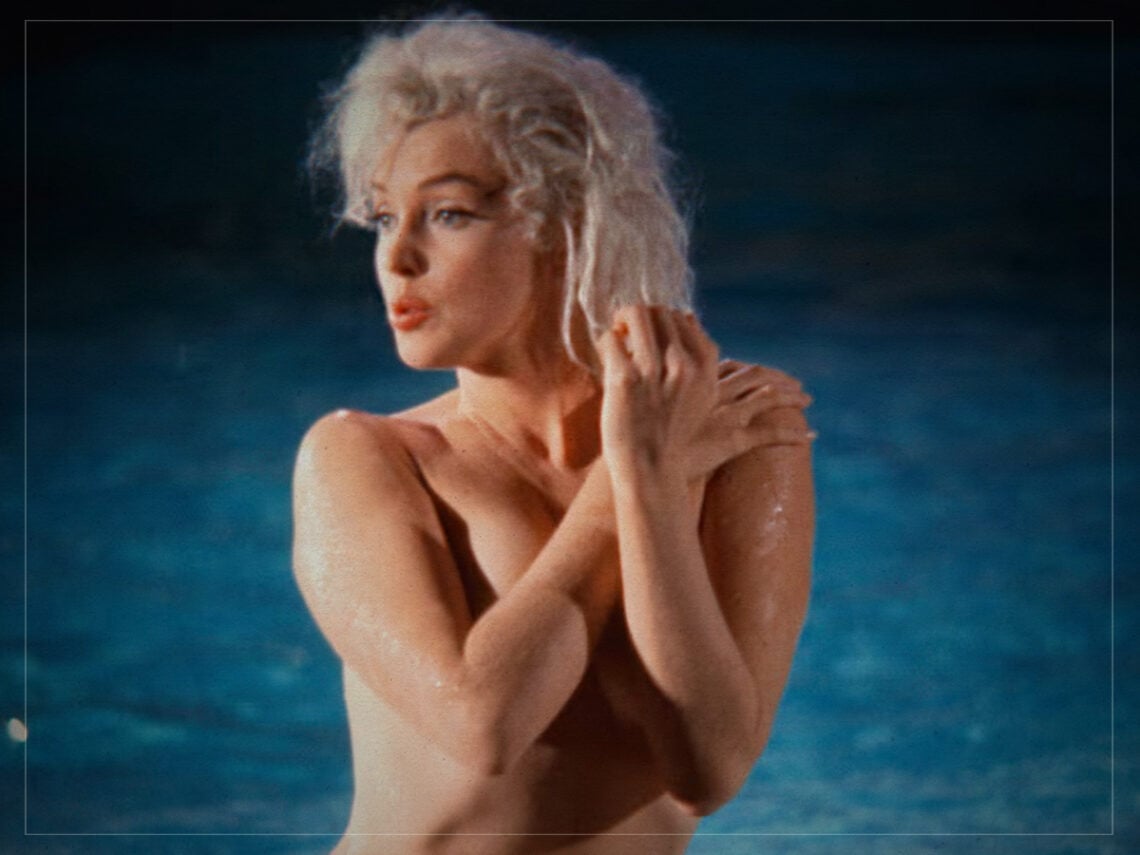
The story behind Marilyn Monroe’s sultry ‘Happy Birthday’ performance

If you were to boil down the two icons that represented the pop cultural landscape to such a titanic tower, Elvis Presley’s pompadour and Marilyn Monroe’s celebrity glamour likely spring to mind with flashbang immediacy.
No other Hollywood actor gleaned such a realm of deified fascination. An enduring symbol of sexuality and the shifting but fraught changes emerging across the entertainment world in the 1950s, Monroe’s billowing white dress above a subway grate from 1955’s The Seven Year Itch is an image that’ll stand central in future generations’ impression of the 20th century, just as the Mona Lisa serves the 16th century or the Bayeux Tapestry 500 years earlier.
Prior to the 1960s, Monroe had doggedly soldiered through an industry that both celebrated and chastised her pin-up sex appeal, wielding her natural comedic chops and well-honed blonde bombshell act in a string of enormously successful Billy Wilder pictures while facing off sexist studio bosses and confected scandals from her previous centrefold nudes.
While still big, the failure of 1961’s The Misfits, divorce to its famed writer Arthur Miller, and a brief spell in a Manhattan psychiatric hospital for depression plunged the actor and model into a precarious state both personally and professionally.
She was also possibly romantically involved with the US President. Wrapped in speculation and conjecture, but there’s a broad consensus that Monroe had spent the night with John F Kennedy after a party at Bing Crosby’s Palm Springs residence in March 1962. Somewhere amid their liaison, an offer to perform at Madison Square Garden’s Democratic fundraiser in May, ten days ahead of JFK’s 45th birthday, was made.
Two days after a shooting break for Something’s Got to Give, Monroe was sewn into her Jean Louis-designed, rhinestone-encrusted gown, ready to join the likes of Ella Fitzgerald and Bobby Darin in the star-studded line-up. The event is only remembered for one moment, however. Finally taking to the stage and unveiling her shimmering, figure-hugging gown beneath an ermine stole, Monroe entered further immortality with a sultry and seductive rendition of ‘Happy Birthday’ in front of the 15,000 audience, aimed straight for JFK like an arrow from Cupid’s bow.
Her breathy, amorous number barely lasted a minute, working in a customised ‘Thanks for the Memory’ celebrating JFK’s presidential record a year into his term, before beckoning a giant cake on stage in honour of his upcoming birthday and leaving the stage. History was made. A flustered president thanked all the performers before stating, with dollops of sarcasm, that he could now “retire after having had ‘Happy Birthday’ sung to me in such a sweet, wholesome way.”
Monroe returned to Something’s Got to Give, only for the production to be scrapped after repeated absences. In August, Monroe was found dead in her Brentwood home from a barbiturate overdose, ruled a “probable suicide,” and fuelling countless eagerly written narratives of the glamour model’s death as a tragic cautionary tale, scrubbing out her achievements and professional savvy. 15 months later, Kennedy, too, would face an untimely end wrapped in conspiratorial intrigue and layers of mythmaking.
It takes a particular kind of celebrity to make the most recognised song in the English language your own. With her last bow to the celebrity world, Monroe’s ‘Happy Birthday’ lives on forever as the ultimate image of intimate theatre and a masterful wielding of amorous energy.
