


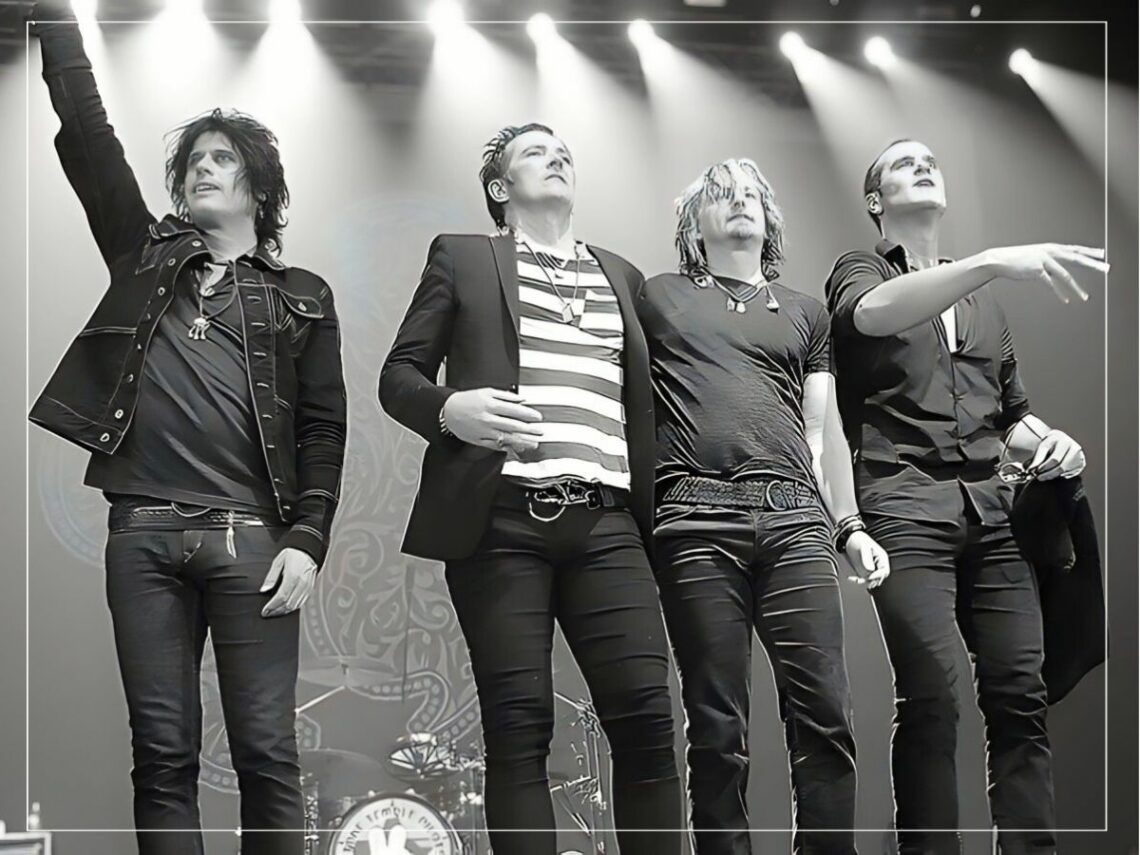
Stone Temple Pilots: grunge rock’s greatest pariahs

There’s a good case to be made that grunge as a genre never really existed. As much as the bands from Seattle seemed to fit under one post-ironic umbrella in the early 1990s, Pearl Jam didn’t sound that much like Soundgarden, who didn’t sound like Mudhoney or Nirvana on the other sides of town. Once the Pacific Northwest became the epicentre of music after ‘Smells Like Teen Spirit’, though, Stone Temple Pilots seemed to be doomed before they got a proper chance to shine.
Because no matter how many times a new movement starts up, there will always be a few stragglers trying to ride their coattails. Since grunge was meant to be a strictly Seattle-based phenomenon, the fact that Stone Temple Pilots had the gall to hail from San Diego and still sound like an alternative band was far from what people wanted to see.
It also didn’t help that some of their antics seemed to be an amalgamation of everything that grunge was supposed to stand for. By the time their debut single, ‘Plush’, came out, everyone was listening to Scott Weiland and immediately making comparisons to Eddie Vedder’s voice, and when he decided to wear a dress onstage when performing the song ‘Sex Type Thing’, it just felt like watching a corporate version of what Kurt Cobain did dressing on Headbanger’s Ball.
Grunge acts didn’t have to come from Seattle specifically, but for most, the comparisons just seemed to add up far too much for many purists to see them as anything but passe at the time. But if you looked under the hood past their singles, we were looking at one of the most inventive bands of the decade.
Outside of the grunge-tastic singles, their debut, Core, is a fine rock album from around that time. There are still a few lines that sound like Vedder’s signature, but it also features a handful of jazzy textures like on the instrumental ‘No Memory’ and some decent Zeppelin-esque guitar playing from Dean DeLeo on the final track ‘Where The River Goes’.
That debut may have a few tainted songs, but Purple is where they really hit their stride. By then, they most likely knew about the comparisons, and instead of just following in Pearl Jam’s footsteps, they offered up an alternative album that somehow had the same amount of sunshine as any California rock record. Outside of the raw production, half of the album feels like some forgotten classic from the 1970s, complete with punky moments on ‘Vasoline’ and ‘Meatplow’, acoustic mess-about like ‘Pretty Penny’ and knockout choruses on ‘Interstate Love Song’ and ‘Big Empty’.
Even when grunge fell apart following Cobain’s death, STP was one of the few who did a spectacular job moving away from their roots and into borderline glam-rock territory. Albums like Tiny Music reflected their fascination with David Bowie-style theatrics, and Dean’s guitar parts even had elements of fusion.
While the glory period of the group eventually fell off following the release of their imaginatively titled fourth outing, No. 4, that didn’t mean they still didn’t have clout in the industry. Weiland was still considered one of the best frontmen of his day, and he was more than happy to reinvent himself whenever he could, whether that was teaming up with former members of Guns N’ Roses for Velvet Revolver or featuring on the Deftones song ‘Rx Queen’ off White Pony.
The group may have fallen off since then and never really captured the same magic, but looking at their beginnings, I have never seen a group being given so much of a beating in the public eye that deserved anything less. No, they weren’t a great grunge band, but that’s not what they were trying to be. They just wanted to make the best music that they could with as many inspirations as they could pull from, and that, my friends, is the definition of what an alternative band should be.
