


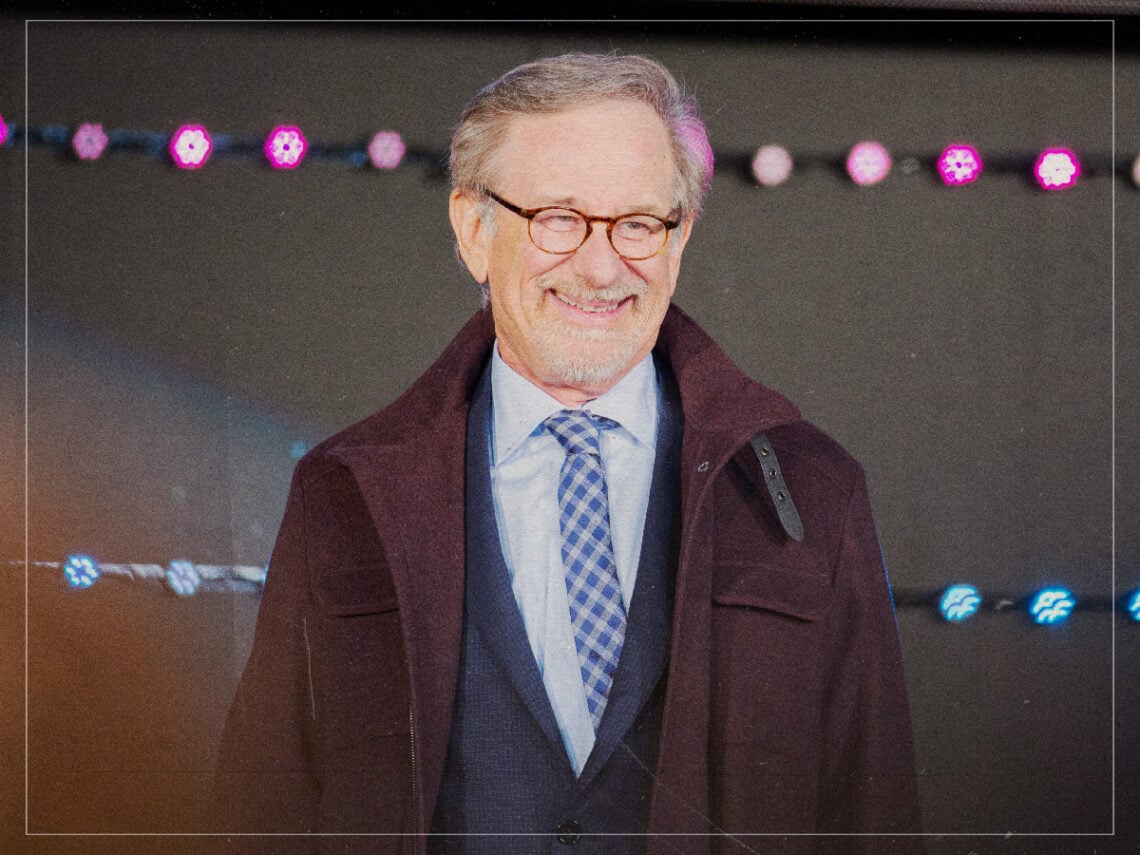
“She’s the one”: how Steven Spielberg’s secretary saved his failing career

It’s been over 50 years since Steven Spielberg had to worry about Hollywood falling out of love with him, and even at that, he wasn’t entirely sure that Jaws wouldn’t be the death knell for his fledgling career.
After all, the seminal shark attack thriller went miles behind schedule and millions of dollars over budget, but directing the highest-grossing movie of all time and the film that single-handedly ushered in the blockbuster era went a long way to making his paymasters forgive and forget his transgressions.
It was exactly the lifeline he needed, too, with the precocious wunderkind hardly setting the cinematic world on fire before then. As Sid Sheinberg’s protégé, who was handed a seven-year contract right out of the gate, there were a few people inside Universal Studios who were rooting for Spielberg to fail.
The twentysomething had shown plenty of chops behind the camera, but in the early 1970s, he was still just a TV director. All he needed was a chance to prove himself in the feature-length arena, and the opportunity almost literally fell into his lap when a copy of Playboy was dumped right under his nose.
“I owe Duel to my secretary at the time, Nona Tyson, who read the short story and came into my office one day and put Playboy down right in front of me,” he recalled. “I started laughing because she’s giving me a Playboy, and she said, ‘Don’t look at the girls, read the short story. It is right up your alley.'”
Tyson had stumbled upon Richard Matheson’s Duel in her own time, and immediately realised that it would be the perfect vehicle for her employer. She was more than a mere secretary, though, with the filmmaker explaining that “not since my own mom had anybody really had my number” until Tyson came along and understood him on a deeper level than anyone else he’d encountered in the business.
“She’s the one that tracked it to an actual teleplay that was being produced by ABC and Universal, and got me right to the producer George Eckstein, and basically gave me my marching orders and said, ‘I see you directing this, and if you really want it, you’ll have to go to the producers and see if they’ll give you the job,'” Spielberg explained, and he took that advice to heart.
He picked up the phone and called Eckstein, who only knew of him through his connection to Sheinberg. Nonetheless, the director pitched himself for the Duel job at Tyson’s insistence, and while there was an undeniably gifted director in there somewhere, the producer had no inkling of how high he’d end up flying, never mind that Duel would be the catalyst for it all.
Describing Spielberg’s 26-minute short, Amblin‘, as “just a nice little picture” and no more, Eckstein remembered that “there were no hints of genius” about the youngster at the time. Still, he agreed to hire him anyway, and Duel would mark the first step towards him becoming the biggest director in the business.
