


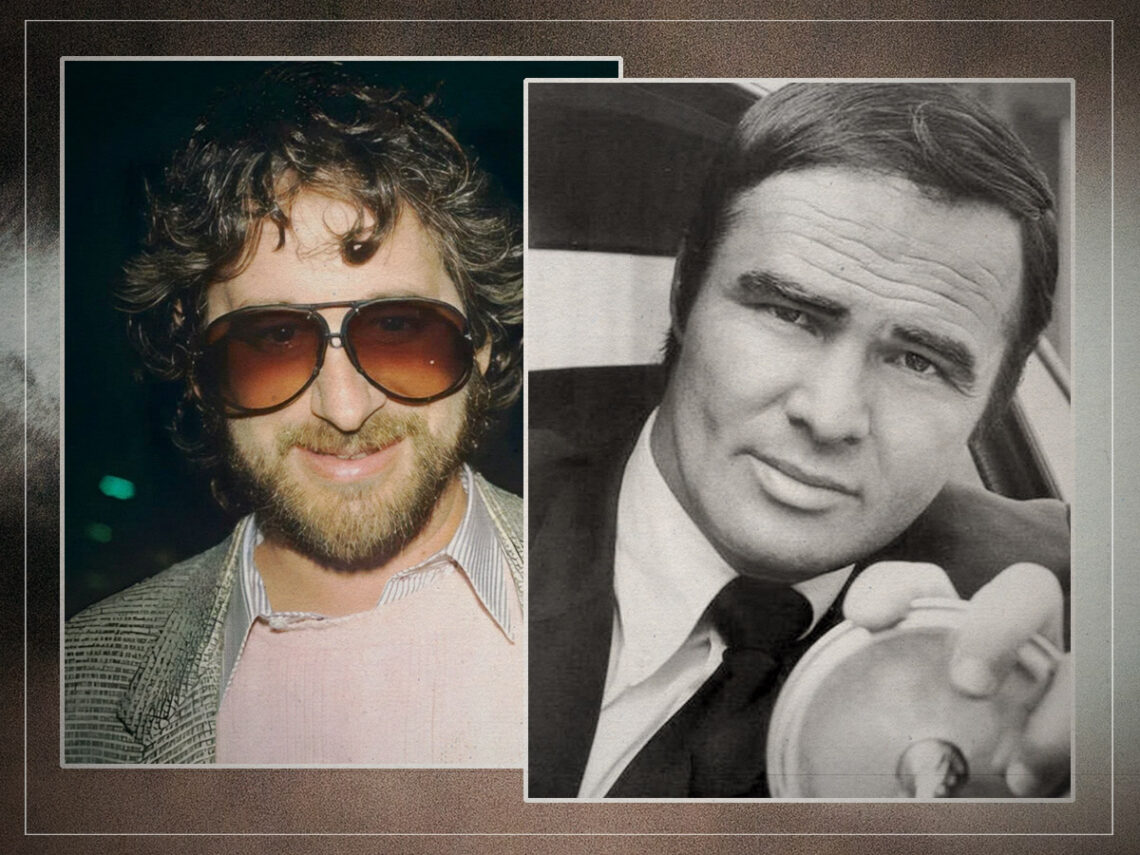
Why Steven Spielberg refused to work with Burt Reynolds: “He wanted out and it really hurt me”

By the end of the 1970s, it was beyond doubt that Burt Reynolds and Steven Spielberg were Hollywood’s two biggest names on either side of the camera.
The former had leveraged his post-Deliverance star power to headline a string of box office success stories that saw him spend five consecutive years as American cinema’s marquee drawing card, a run that kicked off with 1977’s Smokey and the Bandit.
The latter, meanwhile, had wasted little time in becoming known as Tinseltown’s premiere wunderkind. Duel put him on the map; The Sugarland Express showed he wouldn’t be a flash in the pan before Jaws changed the industry forever and became the highest-grossing release in cinema history before he rounded out the decade with the awe-inspiring Close Encounters of the Third Kind and misfiring 1941.
If Reynolds and Spielberg had put their heads together and collaborated on a movie, then common sense dictated that it would make a lot of money. That opportunity did arise before either of them had embarked upon those aforementioned runs that entrenched them at the performative and directorial A-list, only for the filmmaker to get cold feet.
After Duel, Spielberg was inundated with offers to direct. Settling on his first theatrically released feature was a pivotal moment for the aspiring auteur, and he decided on an action flick where Reynolds plays a convicted moonshine runner who agrees to work for the government in a revenge mission to bring down the corrupt sheriff who killed his brother.
Spielberg signed on to helm White Lightning and spent months developing the picture, only to back out when he realised he didn’t want to kick off his big-screen filmography serving as a director for hire. That was how he put it, anyway, although Reynolds had a slightly different version of events.
“He was set to do it, and something, probably good sense, told him he couldn’t make a picture off the lot,” he told Ain’t It Cool. “I said, ‘Alright, we’ll make it on the lot’. And he said, ‘You can’t make this picture on a lot’. He wanted out, and it really hurt me. I felt like he just didn’t want to work with me; that was the reason. And he didn’t.”
Spielberg was already being predicted for big things, an assessment that turned out to be something of an understatement in the long run, with Reynolds under the impression that because “he was right on the cusp of breaking out as a big director,” taking the reins on a frivolous genre film wasn’t where he saw himself heading.
White Lightning did earn a decent reception after Joseph Sargent took over, but Spielberg made the right call when The Sugarland Express – the movie he made instead – fared better with critics and earned more money. That was the closest he ever came to working with Reynolds, and their paths never crossed again.
