


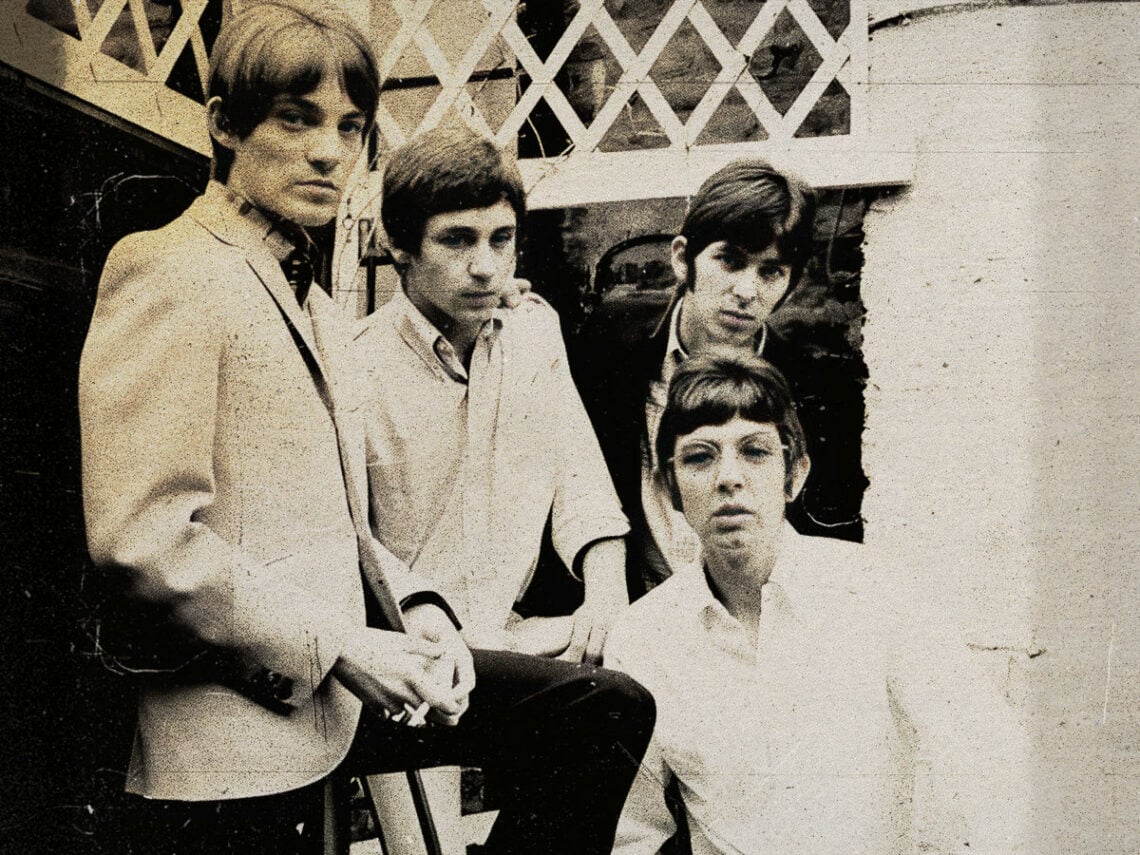
The song that defines the 1960s, according to Steve Marriott

While Small Faces may have faded somewhat from the spotlight of the 1960s, overshadowed by bigger names like The Beatles, their impact on that era’s rock and roll scene remains significant. With memorable hits such as ‘Itchycoo Park’, ‘Lazy Sunday’, ‘All or Nothing’, and ‘Tin Soldier’, as well as the acclaimed concept album, Ogdens’ Nut Gone Flake, they left an indelible mark on music history.
In the early days, Small Faces emerged from the vibrant music scene of mid-1960s London. The band members, including Steve Marriott, Ronnie Lane, Kenney Jones, and Jimmy Winston, came from working-class backgrounds in the East End of London. They honed their musical skills playing in local clubs and pubs, soaking up the influences of American R&B, soul, and British beat music.
That grounding in live performance proved crucial to shaping the band’s identity. Playing night after night in tight, often chaotic venues forced Small Faces to develop both musical chemistry and a raw, instinctive energy that translated directly into their recordings. It also meant their songs carried a sense of immediacy that set them apart from some of their more polished contemporaries.
At the same time, their working-class roots informed the emotional directness of their songwriting. Rather than leaning into abstract psychedelia or detached storytelling, Small Faces often wrote from lived experience, channelling real frustrations, relationships, and ambitions into their music. That authenticity would become a defining feature of tracks like ‘All or Nothing’, giving them a resonance that extended beyond the charts.
The band’s breakthrough came in 1965 with their debut single ‘Whatcha Gonna Do About It’, which reached the top 20 of the UK charts. This was followed by a string of hits, including ‘Sha-La-La-La-Lee’ and ‘All or Nothing’, which solidified their status as one of the leading bands of the mod movement.
‘All or Nothing’ was recorded in 1966 and inspired by a turbulent breakup. In his autobiography, Mr Big, their then-manager Don Arden, described the track as “top-drawer…still gets played on the radio today”. Co-written by Marriott and Lane, ‘All or Nothing’ allegedly addressed one of the former’s relationships, said to be either his separation from his first wife or his ex-fiancée.
The lyrics appear driven by frustration and a need for the singer’s partner to see their point of view, particularly in the first line: “I thought you’d listen to my reason / But now I see you don’t hear a thing / Got to make you see how it’s got to be”. Discussing the blatant darkness of it in 1984, Marriott commented: “I think ‘All Or Nothing’ takes a lot of beating. To me, if there’s a song that typifies that era, then that might be it.”

Jones, however, felt that the decisions regarding the music and lyrics felt natural at the time. He elaborated: “It was us getting to where we wanted to be musically. It wasn’t as poppy as our previous hits, but still commercial enough and better than anything we’d done before.”
Despite having little money even after various achievements, along with the tragic death of Marriott in the years that would follow, the success of ‘All or Nothing’ propelled Small Faces to even greater heights, paving the way for further hits and cementing their reputation as one of the most influential bands of the 1960s British rock scene.
