


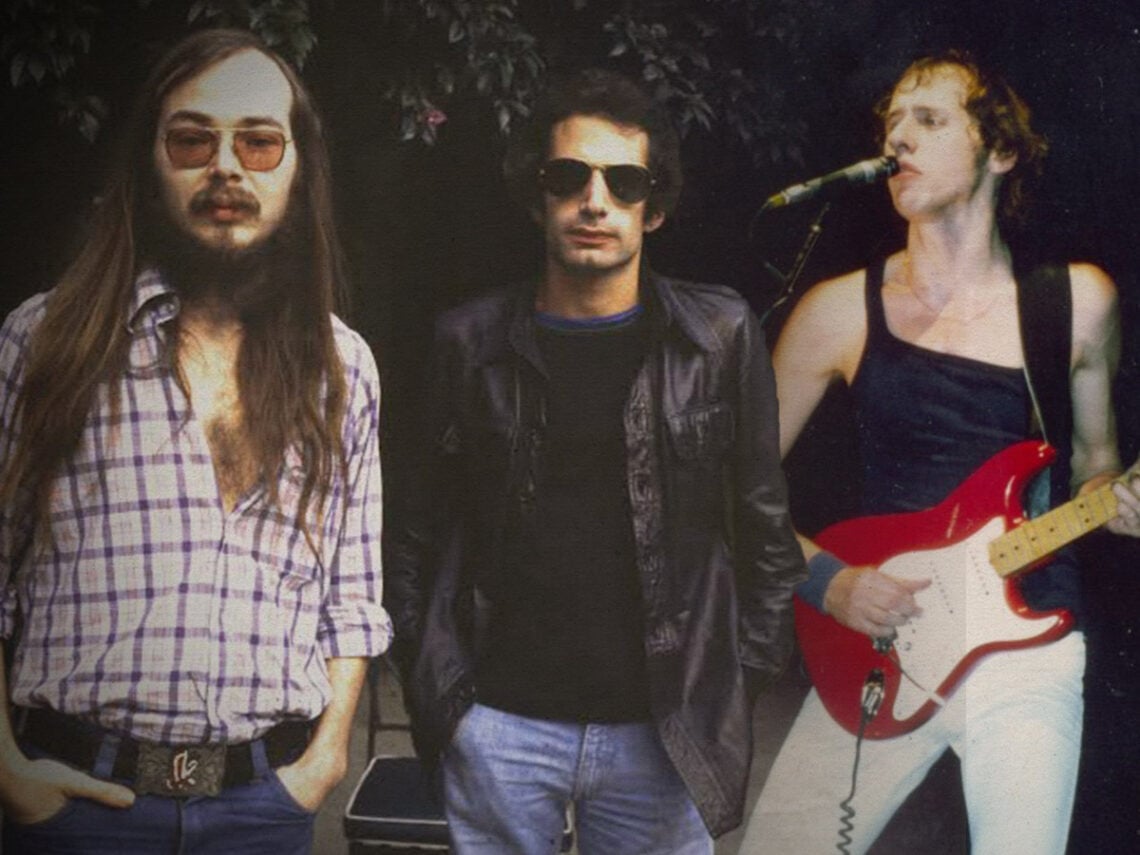
The 1980 Steely Dan and Mark Knopfler song that ended in tears: “A strange experience”

Steely Dan are one of the most significant rock ‘n’ roll bands of all time, which is quite a feat considering they hated rock.
A cult group loved by everyone from your obscure relative to the art school teacher, their misanthropic, surreal lyricism and mind-blowing music marked them out from their peers in the 1970s. Their cool indifference gave their music an endurance that lives on.
Part of that longevity stems from the fact that Steely Dan never seemed interested in chasing trends. While many of their contemporaries embraced the changing fashions of the 1970s, Donald Fagen and Walter Becker remained focused on precision, sophistication and individuality, creating a catalogue that has aged remarkably well.
As Donald Fagen proclaims in his tour diary Eminent Hipster: “I don’t like rock music, to be frank. I know David Byrne, and I once heard Nirvana, I think. But anthemic rock music is inherently fascist — anything intended to move huge masses of people is politically offensive to me.” Steely Dan carried this into their work, which retains a freshness that many of their contemporaries could only have dreamed of achieving, a testament to the skill of their craft but also the foresight of their fad-avoiding ways.
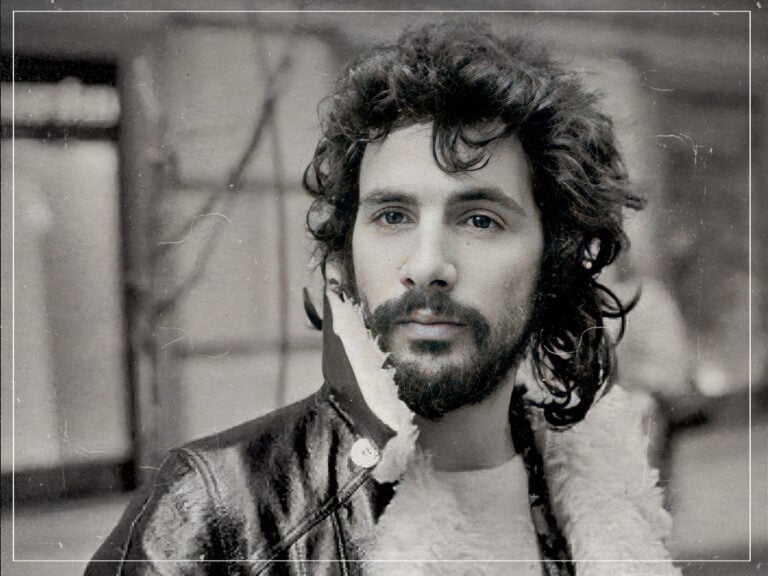
Formed by Fagen and Walter Becker in 1971 after they met at New York’s Bard College in the late 1960s, Steely Dan’s rise was meteoric. The two bonded over black humour and the music of Charlie Parker. They also had an overall contempt for the counterculture that they saw all around them. The last point is terribly ironic as, aesthetically and musically, they were hippies, just not in the orthodox, flower-power Donovan Leitch kind of way. One could maybe argue that Becker and Fagen were the original hipsters. Hipsters, but so not hippies, dude.

This outsider edge was pivotal to their eventual sound with Steely Dan. They weren’t bothered about big-name musicians being in their band–they were only concerned about the sound. So, they kept their ear to the ground for the ‘greats’ and didn’t much care if they were ‘cool’. They cared even less about protecting their egos if they figured their performances weren’t up to scratch when they welcomed them into the studio.
As their reputation grew, so too did their perfectionist tendencies. By the late 1970s, Becker and Fagen had become notorious for demanding countless takes from musicians in pursuit of the exact sound they heard in their heads, regardless of how accomplished the player sitting in front of them happened to be.


This was even apparent in their first band, Jay & the Americans. Frontman of the Americans, Jay Black, was all too aware of the pair’s off-kilter outlook. He “disaffectionately” dubbed them “the Manson and Starkweather of rock ‘n’ roll”, referring to cult leader Charles Manson and serial killer Charles Starkweather. This account paints a concise picture of the duo’s carefree temperament. Like the disenfranchised killers he rather harshly likened them to, the duo cared little about axing someone’s work. In another touchstone to the murderers, this was partly caused by a sense of frustration with all the phonies out there flying high on undue hero-worship.
When it came to recording Steely Dan’s 1980 album, Gaucho, Fagen, and Becker would provide another clear example of their character. For the track ‘Time Out of Mind’, they enlisted Dire Straits frontman and guitar hero Mark Knopfler after being impressed by his work, particularly on the track ‘Sultans of Swing’. Accordingly, they invited the guitarist to play the song’s solo. This broke from the band’s normal way of working, as Knopfler couldn’t read music, the band’s usual modus operandi.
Knopfler became frustrated by the long and drawn-out studio sessions. In addition to this, Fagen and Becker had a brazen way of criticising his work and lack of progression, which only compounded his feelings of dismay. A weary Knopfler would later recall that he recorded over ten hours of guitar for the band during the fraught sessions. In the end, they used 15 seconds of his work. He might’ve been lauded as a guitar hero, but this certainly dented his confidence.
“It was a strange experience,” Knopfler recalled, “Like getting into a swimming pool with lead weights tied to your boot.” When asked about Knopfler’s frustration, Becker added: “I think he definitely felt that, because he would play something and it was OK, then we’d like it later.” But at the time, they simply shrugged it off, leaving him wondering what on earth they were after–it was akin to Stanley Kubrick’s infuriating directing style whereby he would tell his stars to do endless retakes, simply saying, ‘I don’t know what I’m after until I see it’.
Notorious sticklers, there’s no wonder that Steely Dan achieved many miraculous musical feats over their career. This unwavering, stoic attitude was of Whiplash proportions, but boy, did it get results. In the end, even Knopfler didn’t overly begrudge this humbling experience. After all, he remains a great all the same.
The experience with Knopfler perfectly encapsulated both the strengths and weaknesses of Steely Dan’s creative philosophy. Their relentless pursuit of perfection could be exhausting for collaborators, but it was also the reason their records achieved such extraordinary levels of craftsmanship. Whether admired or criticised for their methods, Becker and Fagen were always willing to trust their instincts, and the enduring acclaim of their music suggests that approach often paid off.
Listen to ‘Time Out of Mind’ below.

Never Miss A Tale
The Far Out Classic Rock Newsletter
All the latest Classic Rock content from the independent voice of culture.
Straight to your inbox.