


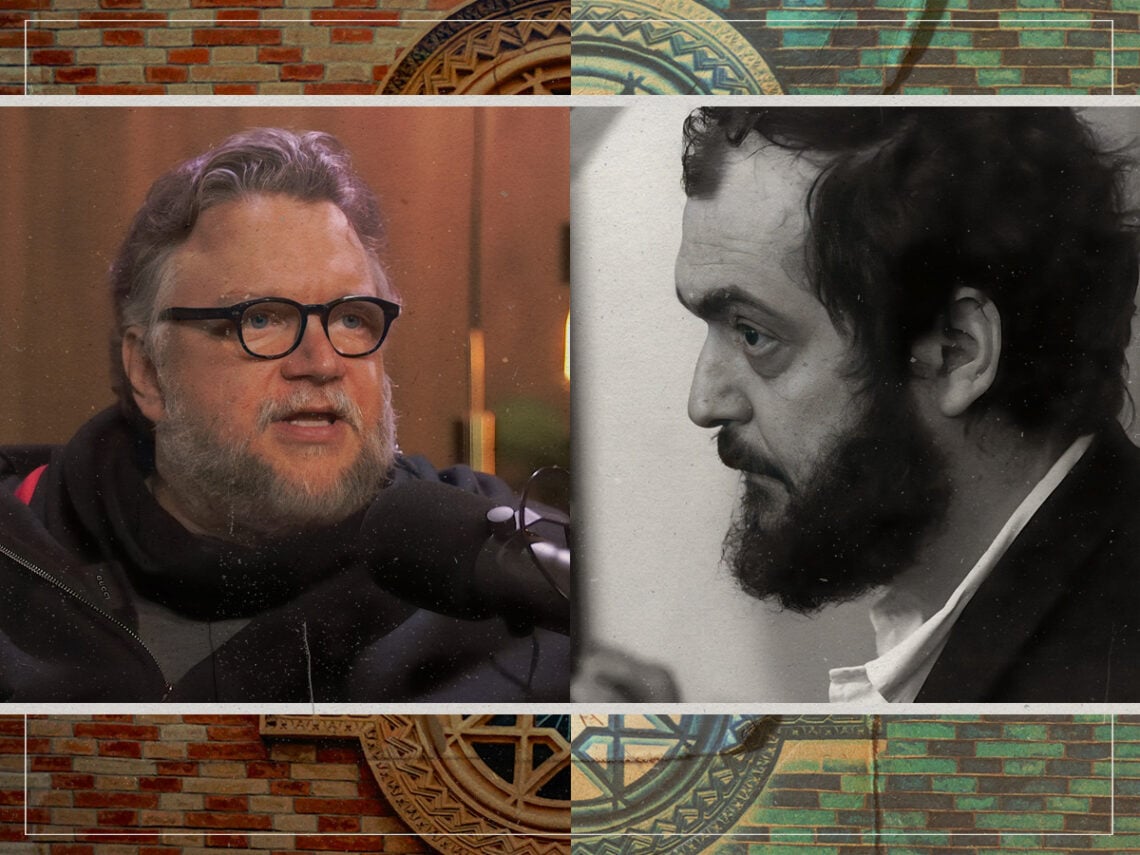
The Stanley Kubrick movie that influenced Guillermo del Toro: “Absolutely virtuoso pieces of filmmaking”

Few directors have exhibited such mastery across genres as Stanley Kubrick, an artist who made excellent contributions to genres as wide-ranging from black comedy to sci-fi and horror. A dedicated filmmaker, Kubrick switched to cinema after starting out in photography, clearly harnessing an eye for composition and striking imagery.
He made several early shorts before embarking on his first feature, Fear and Desire, in 1952. He completed a lot of the work himself, including filming and editing. Despite throwing his all into the film, it was not a success. Still, Kubrick kept at it and eventually found significant acclaim with Paths of Glory and Spartacus, allowing him to enter the ‘60s as one of cinema’s most respected figures.
Since then, his cinematic achievements have made him a reference point for every subsequent filmmaker. You’ll be hard-pressed to find a director who doesn’t cite Kubrick as a massive source of inspiration, whether that be due to his ability to balance complex and intricate themes with significant scope or simply his ahead-of-his-time use of visuals and aesthetics.
Guillermo del Toro, the Mexican filmmaker known for movies like Pan’s Labyrinth, Hellboy, and The Shape of Water, naturally cites Kubrick as an influence over his work. You might think that del Toro would select his horror classic The Shining as one of the most influential, considering the gothic and often terrifying material found in much of his work, or perhaps even 2001: A Space Odyssey due to his evident interest in sci-fi, as seen in Pacific Rim. Yet, the Kubrick movie that ended up having the most impact on del Toro is actually Full Metal Jacket.
The war film was one of several Kubrick made—in fact, some of his earliest cinematic forays were concerned with the dangers of war, like Paths of Glory. Del Toro has never made an outright war film, but he has often explored the effects and aftershocks of war on people within his movies. For example, The Devil’s Backbone is set during the last year of the Spanish Civil War, while Pan’s Labyrinth takes place three years after it ends.
For del Toro, Full Metal Jacket is a prime example of stellar filmmaking. He once explained (via TimeOut), “I admire Kubrick greatly. He is often accused of being a prodigious technician and rigid intellectual, which people say makes his films very cold. I don’t agree. I think that Barry Lyndon or A Clockwork Orange are the most perfect marriages of personality and subject. But in fact, Full Metal Jacket is even more so.”
The director continued, “It is, for me, a singular film about the military, about war and its consequences,” citing several scenes as having a “particular impact” on him, including the suicide, the “sniper set-piece at the end” and the sequence where the drill sergeant treats the soldiers like “sub-human maggots.”
Del Toro added, “Those are absolutely virtuoso pieces of filmmaking.”
In another interview, this time with Little White Lies, del Toro claimed, “I like the Kubrick that nobody likes,” which is certainly the case in this instance. While Full Metal Jacket was widely acclaimed upon its release, in comparison to Kubrick’s other movies, it often gets lumped near the bottom of lists regarding his best work. To del Toro though, he can see pure beauty in every scene.
