


The movie that Stanley Kubrick called “inept”

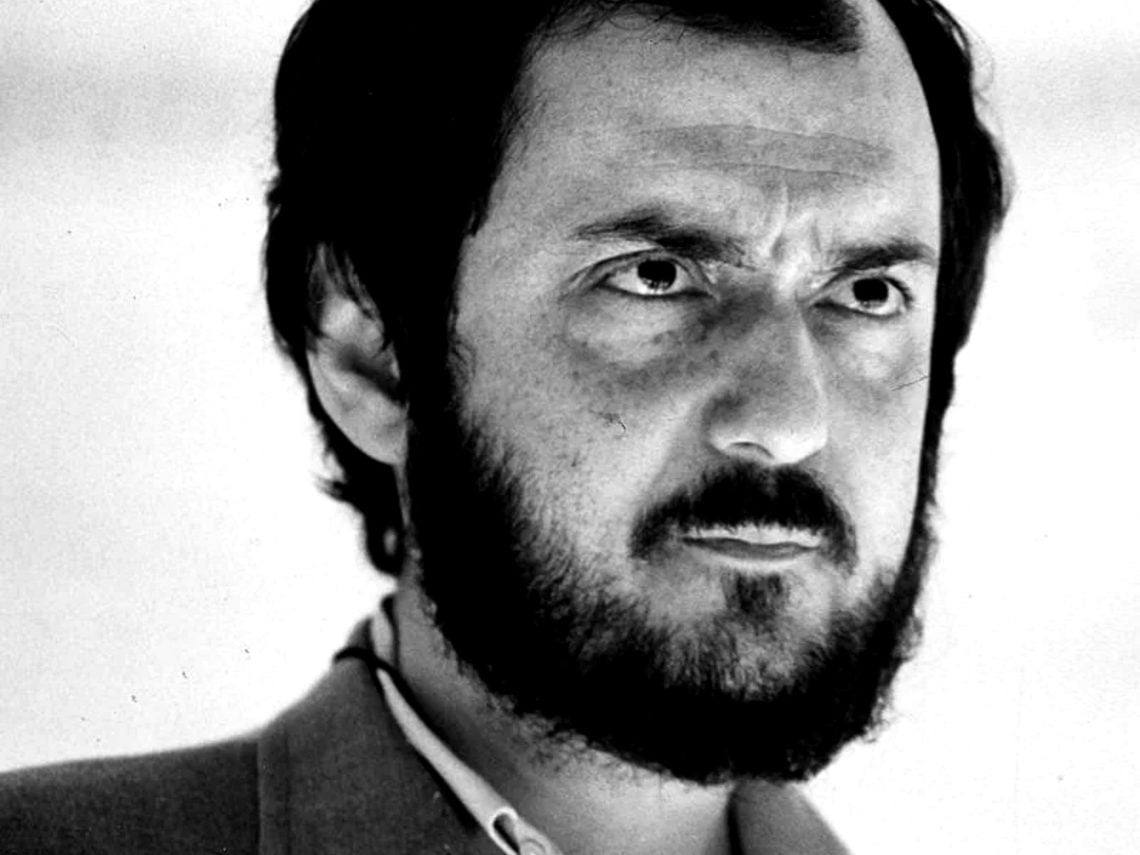
As a renowned perfectionist, Stanley Kubrick developed an infamous reputation for never compromising on his artistic vision. Often compromising the mental sanity of his actors, Kubrick would force them to go through take after take until every single detail aligned with his mental image of the scene. However, there is one particular project that Kubrick remained dissatisfied with for the rest of his life and even tried to make it disappear.
Initially, Kubrick started out as a photographer while playing chess in Washington Square Park to earn a supplemental income. During his time as an employee for Look magazine, the Spartacus director made multiple documentaries before he decided to embark on his directorial debut. Titled Fear and Desire, the 1952 anti-war drama revolves around four soldiers who end up behind enemy lines and are forced to find a way back to safety.
The narrator answers: “There is a war in this forest. Not a war that has been fought, nor one that will be, but any war. And the enemies who struggle here do not exist unless we call them into being. This forest then, and all that happens now is outside history. Only the unchanging shapes of fear and doubt and death are from our world. These soldiers that you see keep our language and our time, but have no other country but the mind.”
Although it paved the way for his future efforts, Kubrick described it as “a bumbling amateur film exercise” and felt very embarrassed about his creative vision in the movie. It wasn’t a commercial success, but some people noticed Kubrick’s penchant for images, including notable critic James Agee, who invited Kubrick out for a drink after witnessing the precursors. However, Kubrick wasn’t convinced by the praise.
In order to ensure that nobody ever saw it again, Kubric “had Warner Brothers send a letter out to all the press in town saying that the picture was boring and pretentious”. These accounts were confirmed by Fear and Desire’s star Paul Mazursky, who revealed that Kubrick was disgusted by the end product he engineered. When asked about it, Mazursky said: “Stanley tried to have the negative burned. He hated the movie. Hated it.”
Fear and Desire obviously didn’t live up to Kubrick’s standards, but it cannot be denied that it demonstrated glimmers of promise and genius. After that, he improved at an exponential rate, starting with his 1955 film noir Killer’s Kiss. Experimenting with the structures of the genre, it’s a perfect manifestation of Kubrick’s latent skills as a burgeoning auteur.
Watch the film below.
