


The South Yorkshire locations that defined ‘Kes’

Yorkshire possesses a rich onscreen history, although it’s not exactly a place associated with the glitz and glamour of Hollywood.
Britain has always championed a distinctive onscreen identity, however, and in the 1960s, social realism took hold, carving out a space for British cinema in the wider canon as a conduit for truth and art as a form of activism. Many working-class tales were put to screen during the decade, and I’d argue that the best take place in the midlands and north of England, like Salford’s A Taste of Honey, Nottingham’s Saturday Night and Sunday Morning, and Barnsley’s Kes. Yorkshire, with its ripe history of industrial manufacturing, has long been a prime spot for depicting working-class struggle, with Bradford’s Billy Liar emphasising the desire for something more than a dead-end job and routine conformity back in 1963.
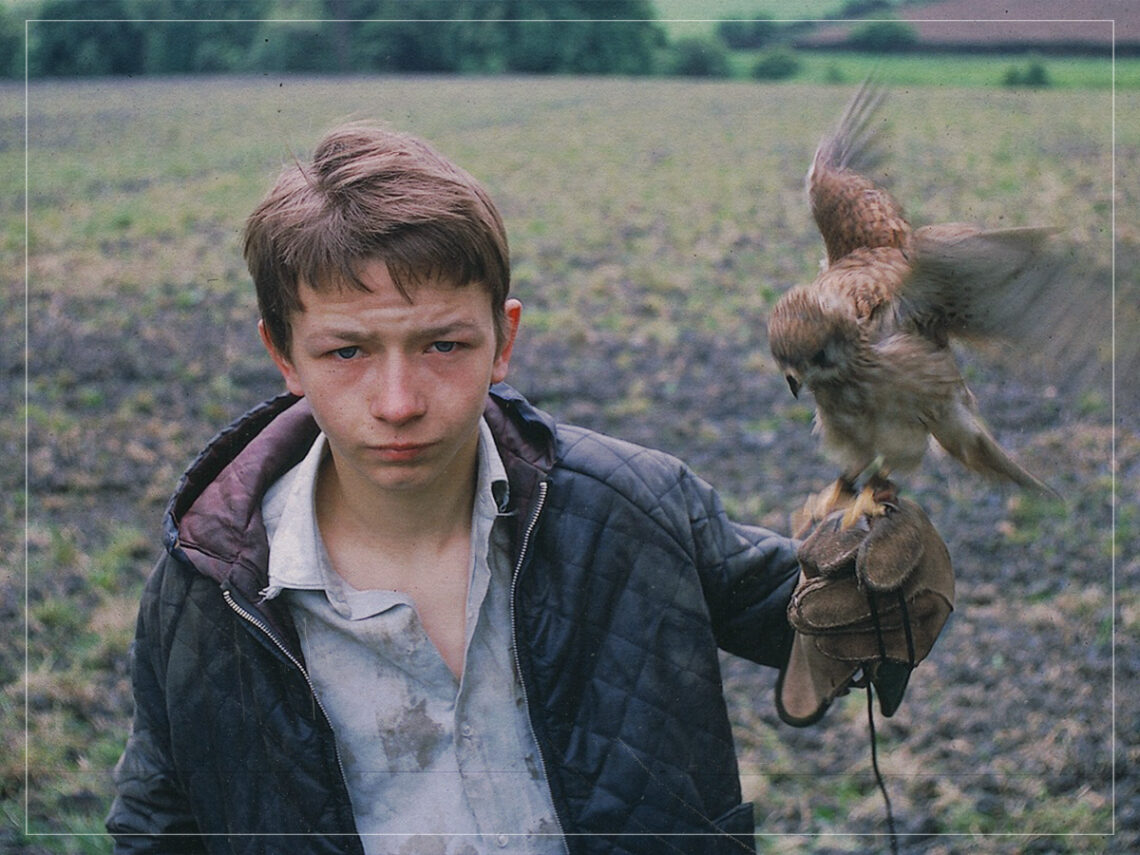
Kes emerged near the end of the ‘60s, reflecting a complete end to any optimism that the era might have harnessed, with Swinging London and the Summer of Love now a distant memory. Based on Barry Hines’ book A Kestrel for a Knave, the film was a brutal picture of childhood, centring around the life of 15-year-old Billy Casper, who, devoid of prospects, struggles to find a sense of belonging at school, against the backdrop of a coal-mining industry that gives him little hope of escaping his fate: Billy’s family is poor, and he knows there’s little he can do about it, until he befriends a kestrel and finds a passion for falconry.
Unfortunately, there really is no hope for young Billy, whose happiness comes crashing down when his brother kills the bird, essentially stamping out his only hope for something more out of life. He gets in a state, furious and distraught, but there’s nothing he can do, for the bird is dead, and so is any semblance of freedom. Since the release of Kes, it has garnered many devoted fans, with actors like Daniel Day-Lewis even citing David Bradley’s performance as a major inspiration for his own career, once saying, “I’ve probably seen that film a dozen times, but when I first saw it, I was 12, that film was probably one of the extraordinary films to have affected me more than anything in my life.”
But where was Kes filmed? Staying true to the ethos of social realism, which undeniably took influence from movements like Italian Neorealism and French New Wave, both of which favoured real, on-location shooting away from flashy and contrived film sets, it was filmed across South Yorkshire.
Interestingly, many of the locations used in Ken Loach’s film have since been demolished or drastically developed, with old streets being replaced with rows of new-build houses, devoid of the character on display in the film scenes. One of them is Lundwood village, and although you’ll hardly find any of the original streets seen in the film there, the ones around also look drastically different.
Much of Kes was shot in the town of Hoyland in South Yorkshire, with Billy’s house located at 56 Parkside Road, but even that has been significantly renovated since, and nearby is the fish and chip shop he visits, now called Casper’s Fish & Chips in tribute, so if you’re ever doing a tour of the filming locations, you know where to stop for a bite. Additionally, of the places where Billy bonds with his kestrel, one is near the ruins of Tankersley Old Hall, where he first found it. It still stands today, but it can only be accessed by a private road, and once he’s in possession of it, he trains the animal in various locations, most notably Hoyland Common.
Another more scenic location is Grange View in Barnsley, which once showed a backdrop of industrial buildings, a not-so-distant reminder of Billy’s likely fate in a dead-end, unfulfilling job. Since Kes was released, Yorkshire’s industrial past has become immortalised in movies like this, with landscapes now changed, standing sparser, and Barnsley, all these years later, is still a largely working-class area, with certain areas of the town possessing staggeringly high unemployment rates.
The locations featured in Kes might look wildly different today, but the themes of the movie still ring true for many locals, even almost 60 years on, which is what makes it such an enduring and poignant tale.
