


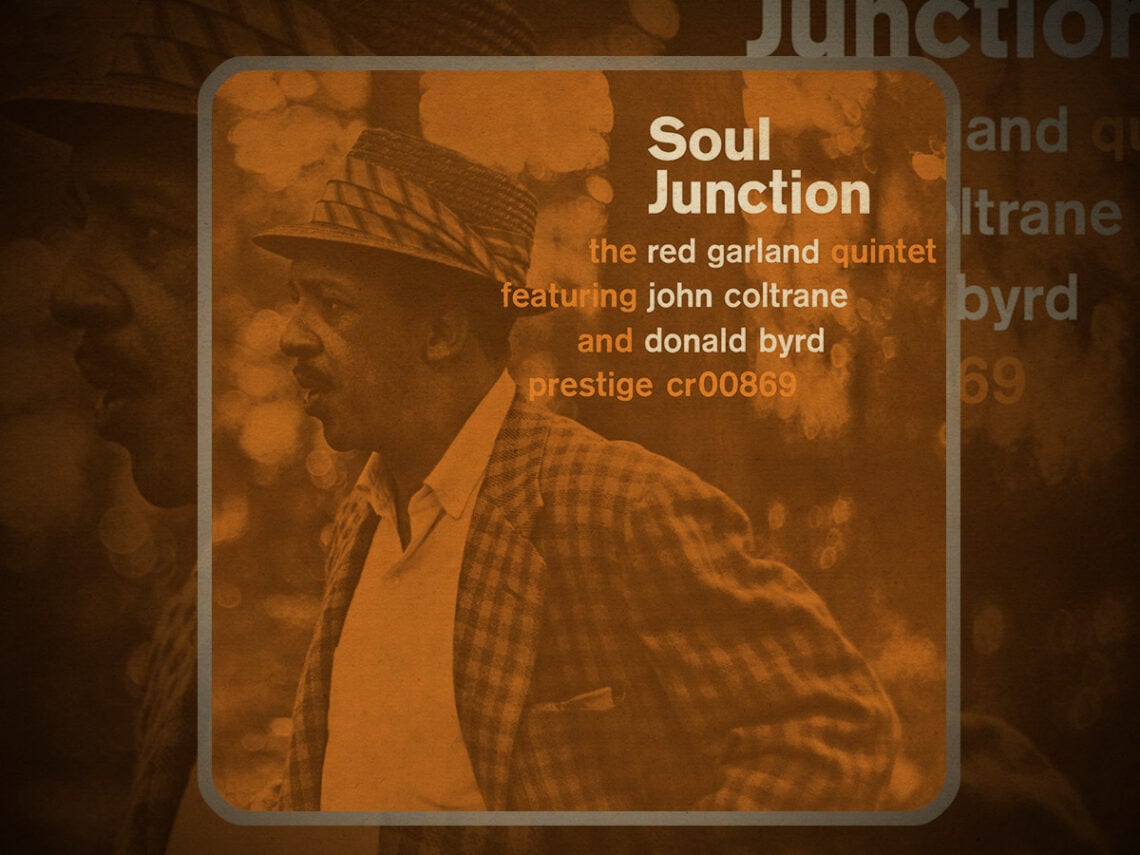
‘Soul Junction’: Revisiting the most enduring masterpiece of the hard bop age

Jazz is a rich sonic tapestry, almost as complex and often over-indulgent as the various solos and improvisations that have stuck its many heroes over the decades.
Under the wide-reaching umbrella of jazz, there are countless different subgenres, regional scenes, and short-lived movements, each with its own distinctive and respectively impact on the wider religion of jazz. Few, however, have enjoyed quite the same lasting impact as the hard bop years.
First emerging, as many enduring music genres did, during the mid-1960s, hard bop marked the moment that the old-school bebop sound became infected with the rhythmic new realm of blues and R&B, culminating in some of the most wildly revolutionary records in the history of the jazz scene. What’s more, without knowing it, many of the albums of that vibrant hard bop age were utterly futureproof.
So, while you can still revisit albums of, say, the big band era, they sound undeniably of their time. Whereas an album like Soul Junction has precisely none of its appeal in over 50 years.
Recorded back in 1957 for the Prestige label – which, even at that time, was already fostering a reputation as a legendary outlet for the jazz masters of the time – it was Red Garland’s face splashed across the album’s front cover, but that never really did justice to the vibrant world encased within.
Garland, of course, is an unavoidable name within the world of jazz piano, having completely revolutionised the scene when he first emerged during the 1940s, and curated an utterly trailblazing discography in the decades that followed. Nevertheless, Soul Junction is far from being a solo effort, with some of its greatest moments coming from the other members of his quartet, particularly the likes of Donald Byrd and, of course, John Coltrane.
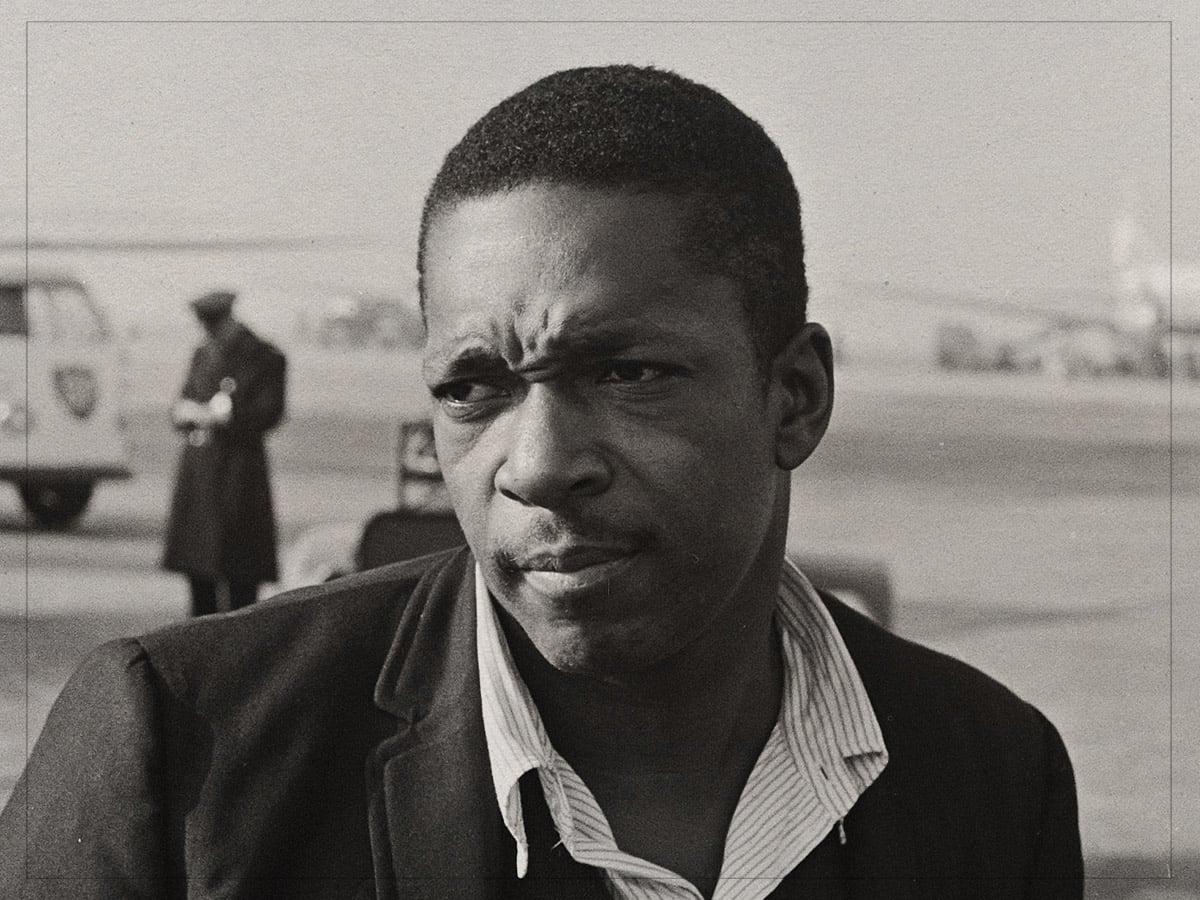
Recorded only a few months after Coltrane had struck upon the genius of Blue Train, and years before his career truly began to take stride with the likes of A Love Supreme or Meditations, Soul Junction caught the saxophonist at an absolutely pivotal moment in his artistic development. On tracks like ‘Woody ‘n’ You’, the quartet’s incredible incarnation of the Dizzy Gillespie standard, Coltrane’s alto sax practically leaps from the record grooves, commanding your utmost attention.
Comparatively, the Gardland-heavy, self-titled opening arguably doesn’t stand up to the rest of the album’s tracklisting, but then that itself is part of the record’s appeal. After all, Soul Junction manages to evoke quite a transitional time in jazz, seeing the already well-established talents of Garland combine with the incoming genius of up-and-comers like Coltrane, creating an enchanting new sound from that collision of worlds.
On the topic of colliding worlds, the album also arrived during a particularly momentous time period for the music of Black America, when the worlds of R&B, soul, and early funk were just beginning to assert their dominance over the airwaves. Unsurprisingly, then, when you go back and revisit some of those early R&B and soul records from around the turn of the 1960s, the influence of hard bop masterpieces like Soul Junction are palpable.
Even still, Soul Junction rarely receives the same mainstream kudos as certain other records of the time – the aforementioned Blue Train being one such example. For years, it has been the unsung hero of the hard bop era, despite sounding as compelling in the 21st century as it must have done in the last one.
Perhaps in an effort to remedy that colossal jazz injustice, Craft Recordings have once again answered the prayers of jazz aficionados, giving Soul Junction the high-quality, heavyweight vinyl reissue it has been begging for for quite some time, now, as part of their Original Jazz Classics Series.
Remastered in analogue from the original tapes, and presented beautifully, as we have come to expect from the reissue label, this new pressing breaths new life into what remains one of the most underrated albums of the 1950s, introducing it both to audiences that remember its revolutionary power from the time as well as those who might have let it pass them by.
Whichever way you spin it, Soul Junction is truly a one-of-a-kind album, with its incredible, enduring performances encapsulating what was a revolutionary period in jazz history, and still sounds just as transformative in the light of modernity.
