


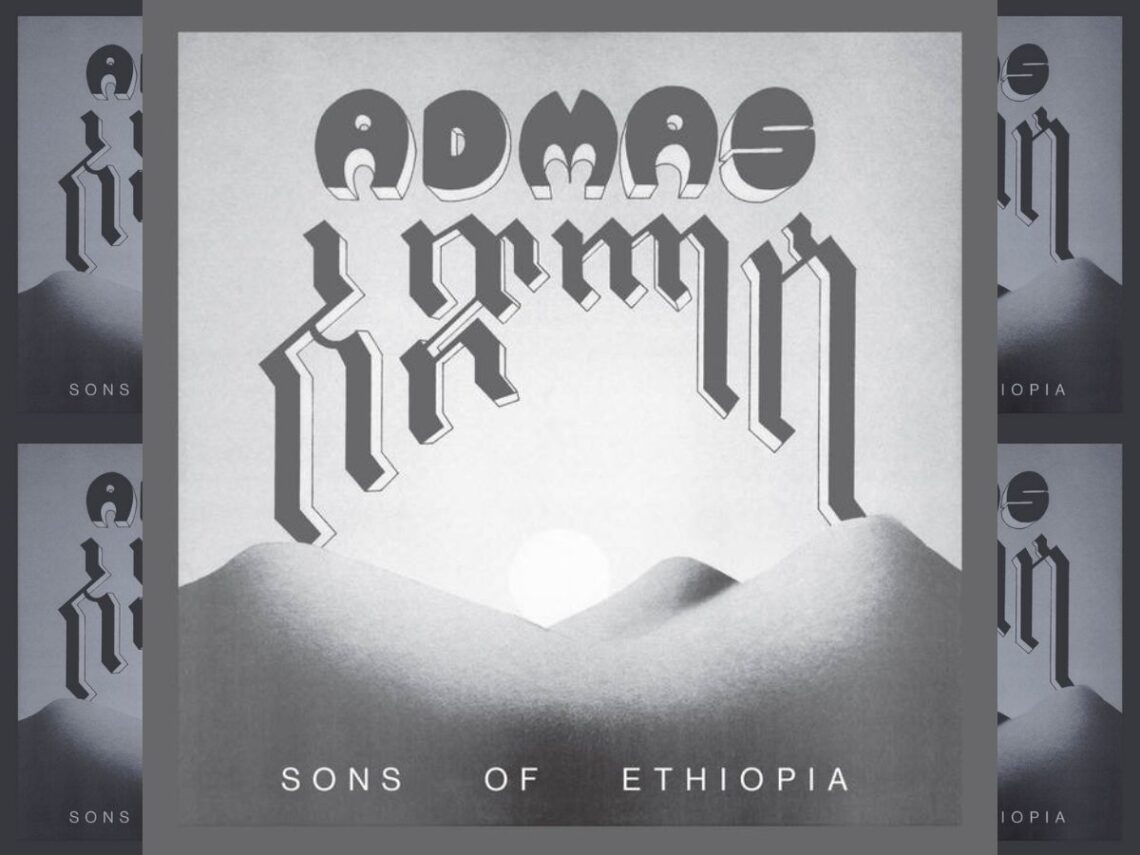
‘Sons of Ethiopia’: The legendary lost album that redefined East African music

Humanity originated in the vast vibrancy of the African continent, so it stands to reason that the world’s musical landscape also owes its soul to Africa, from the traditional folk sounds of local tribes to the Afrobeat explosion of artists like Fela Kuti, not to mention the global efforts of the African diaspora.
Africa’s musical legacy goes back centuries, to the traditional rhythms and homemade instruments of communities and tribes across the land. Even with the crippling effects of colonial rule and the slave trade aiming to erode as much of the African identity as possible, that music still prevailed; a sign of identity and liberation that continues to inspire artists across the globe today.
Even if you look at the musical history of the United States, Latin America, and the Caribbean, you will find that virtually all of it has its roots in the sounds brought over by generations of enslaved Africans, from American blues to Colombian cumbia.
Even still, the African music of modern times is so often resigned exclusively to the ‘world music’ sections of record stores, and the DJ sets of needlessly pretentious musical aficionados. For those who are willing to listen, though, the landscape of modern African music has a plethora of gems to uncover, you just have to know where to look.
After all, the relative Western obscurity for basically any African musician who isn’t Burna Boy or Fela Kuti has meant that the scene has a wealth of obscure masterpieces to uncover and reappraise. That is just what happened in the case of Admas and their expansive 1984 album Sons of Ethiopia; ignored en masse when it first hit the airwaves, but now boasts an extensive cult following all over this pale blue dot.
That 1984 album was the brainchild of Tewodros ‘Teddy’ Aklilu who, while studying in Washington DC, got together with a group of other Ethiopian expats to create a style of music which seemed to elevate itself beyond any typical genre conventions. Utilising the traditions of East African folk and Afrobeat rhythms with the Westernised disco, jazz, and soul surrounding them in early-1980s DC, Sons of Ethiopia completely redefined expectations of East African music but, tragically, nobody really took any notice.
Akilu borrowed some money from his mother to press the album onto vinyl back in 1984, but those 1000 self-released copies weren’t enough for the album to make an impact outside of Washington’s relatively niche Ethiopian population. So, Akilu finished his studies and more or less forgot about the inventive genius of Sons of Ethiopia, and remained that way until the summer of 2020, when New York’s Frederiksberg Records requested to repress the album for a new generation of listeners.
Unbeknownst to Admas, the album took on a new life after its release, hailed as a revolutionary masterpiece by a small yet obsessive group of East African music savants. However, those original 1000 copies were quickly sought out and coveted by expectedly intense vinyl junkies, making the album as rare as hen’s teeth (and a considerable degree more desirable).
As a result, when Frederiksberg reintroduced the album into the musical market, in all its shiny, repressed glory, the album managed to reach an audience far outweighing what it had done back in its 1980s heyday, stretching from Addis Ababa to Anacostia.
There are worse things within the musical realm than being ahead of your time, and although Sons of Ethiopia wasn’t given much attention upon its initial release, its subsequent 21st-century renaissance has not only changed perceptions of East African music in general but has also inspired an entirely new generation of music obsessives.
