


The song that was written to be banned

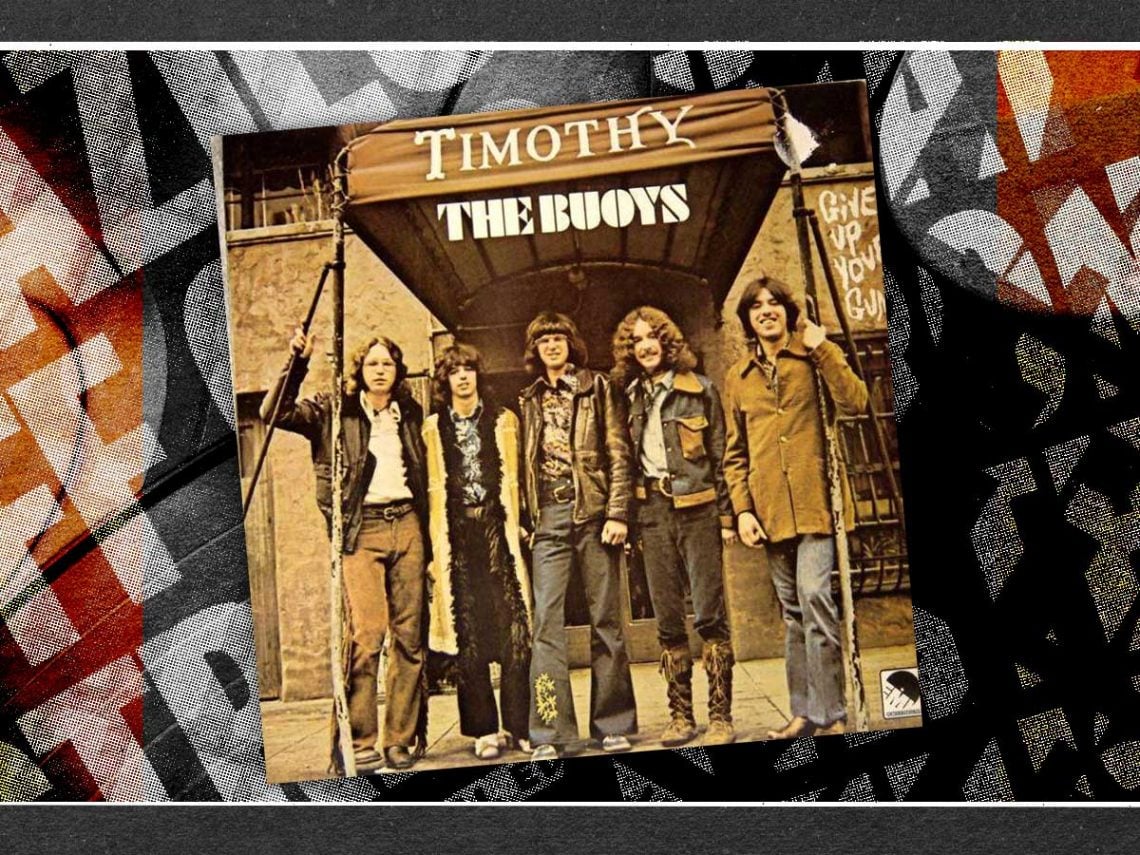
It seems farcical for a band to write a song with the aim of getting it banned from radio, but that’s precisely the story of The Buoys and the biggest hit of their career, ‘Timothy’.
During the 1960s and ’70s, there was no easier way to gain notoriety than having a song banned by the radio. The Buoys were en route to infamy as long as the track wasn’t immediately suppressed and gained some airplay before getting censored. It was a tried and tested method that had previously worked for David Bowie, The Beatles, and countless others. Therefore, it makes sense why they wanted to add their name to the list.
‘Timothy’ was only the group’s second single, and after their debut song, ‘These Days’, was ignored by the masses, The Buoys chose to adopt a controversial approach. In their eyes, all publicity was good publicity, and it didn’t matter how they courted attention as long as it was successful.
For ‘Timothy’, they tackled the topic of cannibalism, which isn’t your typical subject for a radio-friendly pop song, but they felt it would cause controversy. They had only signed a one-single record contract, and Scepter Records weren’t responsible for promoting the release, which led them to think outside of the box.
Speaking to Songfacts, frontman Rupert Holmes explained: “I had seen the movie Suddenly Last Summer about a week earlier on TV, and it had a revelation about cannibalism in it, and I thought, If it’s good enough for Tennessee Williams, it’s good enough for The Buoys. So I thought, cannibalism during a mining disaster, that’ll get banned. It’s not like I’m really telling people to go out and eat someone, this is just this dark, horrible thing that happened in this story.
“So I write this lyric: ‘Timothy, Timothy, where on Earth did you go?’ It’s about three boys who are trapped in a mine with water but no food for maybe a week. When they’re pulled free, they don’t remember what happened, but they know they’re not hungry. One of them is missing, and that’s Timothy. We record this on the weekend, and I don’t think about it again.”
He continued: “They played the song originally because it had a nice rhythm, kind of like a Creedence Clearwater Revival feel. It was catchy enough, but then they’d hear what the song was about and say ‘We can’t be playing this, it’s about cannibalism!’ and they’d pull the song off the air.
“The kids would call in and say, ‘Why’d you pull the song off the air,’ and they’d say, ‘Because it’s disgusting, you shouldn’t be listening to stuff like that.'” The band knew, at this point, things were going to go very well for their new release. “Well, all you have to do is tell a teenage kid that he shouldn’t be listening to something because it’s disgusting and vile and loathsome, and he’ll demand it.”
“So the record, unlike ‘Piña Colada,’ which vaulted up the charts, went up like one or two digits every week. It was on the charts forever. Stations were playing it, kids were clamouring for it, it would move up the charts, then the station would pull it, the kids would clamour more and some other station would go on it to satisfy that demand. It just kept going up the charts.”
Once it started shooting up the charts, Scepter Records decided to intervene and spread the story of Timothy being a mule rather than a cannibal. However, most mainstream radio stations saw through the lies and avoided playing the track by The Buoys on their station, but it still reached 17 on the US Chart, making it the biggest (and only) hit of their career.
