


The fire that almost “wiped out” Tom Petty and the song it inspired

As the old saying goes, most artists work best when they write about what they know. Although many lyricists have been able to make classics creating works of fiction whenever they sit down with a piece of paper and a pen, the greatest songs usually have a personal touch behind them, making the listener relate to the person behind the microphone rather than the artist that they listen to every day.
Even though Tom Petty made a living out of keeping his songs fairly simplistic, one of his late-career songs came from him having a brush with mortality.
That’s where Petty always found his strength as a songwriter. He didn’t need grand metaphors or overly complicated ideas to get his point across; the power came from taking something real and letting it sit plainly in the music, trusting that the weight of the experience would do the rest.
It also meant that when something genuinely life-altering happened, there was no way for him to skirt around it. For an artist who had built his career on an everyman perspective, facing something as stark as losing everything forced him to confront those fears head-on rather than dress them up in something more palatable.
By the time those feelings started to find their way into his songs, they carried a different kind of gravity. This wasn’t just another story or observation; it was Petty working through something that had nearly taken everything from him, and you can hear that tension sitting just beneath the surface of the music.

Then again, nothing that Petty ever did came easy. Even though The Heartbreakers would become one of the most in-demand acts of the late 1970s, he had been completing it through pain, including a months-long legal dispute where he fought to get the rights to his songs back from his record company.
Petty would even double down on the business side of his music when he forced his label to cut down the price of his records to keep them within reach of his fans. While Petty would eventually collapse creatively when working on the album Southern Accents, his whole world would go up in smoke when someone set his house on fire.

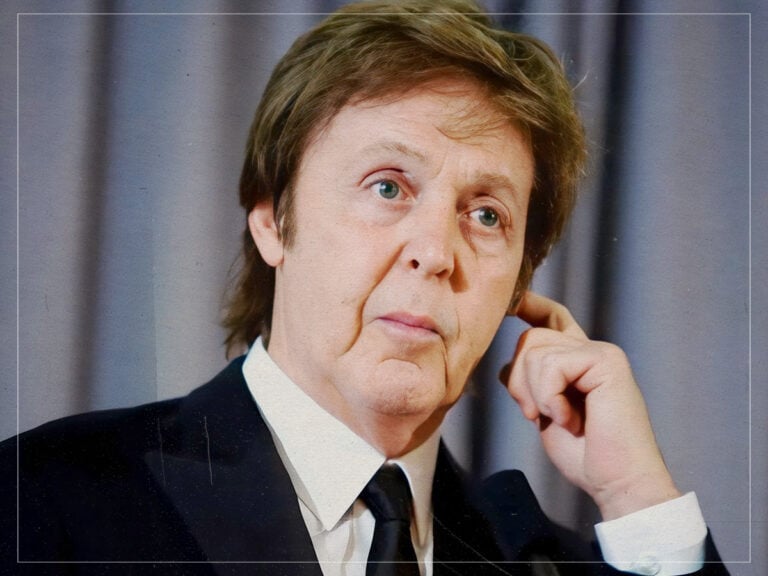
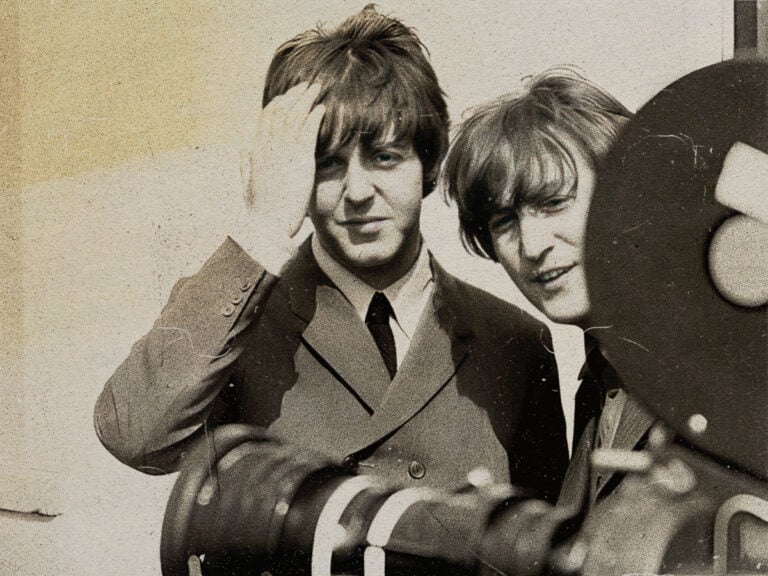
In the middle of the night, Petty was awakened by the smell of smoke and the sight of flames. He quickly got his family out of the house and barely made it out of the blaze with his shoes intact. Although Petty would get assistance from his friends when they heard the news, it shook his mind, taking his entire family out on the road on the following tour.
When talking about the experience later, Petty was shocked to hear that it was the result of arson, saying in Runnin’ Down a Dream, “You could have knocked me down with a feather, but the firefighters showed me where they had laid everything out. It is strange to escape assassination, but I’m not going to live in fear because if I do that, they’ve won”.
After surviving the near-death experience, Petty would have the same experience in 2007 when he was awoken by another fire in his Malibu home. Evacuating the scene immediately, Petty would barely make it out with his life, only having time to grab one instrument as he went out the door.
When discussing the experience with Billboard, Petty talked about trying to save a Hohner bass trapped in the house that day. Having experienced a similar house fire before the Heartbreakers made it big, Petty said, “I grabbed that and went, ‘Hell, is this going to happen to me twice in my life where everything I own is just wiped out? And then I thought, ‘Well, I’m OK with that.’ Because things come back, but people don’t”. While Petty may have had to restructure himself after the fire, he would write ‘All You Can Carry’ about the harrowing moments of watching his world burn down.
Appearing on Petty’s final studio album, Hypnotic Eye, the song calls back to the garage rock roots of the Heartbreakers, as Petty sings about the rising flames overhead and choosing to run for shelter and leave the past behind. Petty may have been shaken up after seeing his house crumble to embers, but writing this song was his testament to survival in the face of death.
