


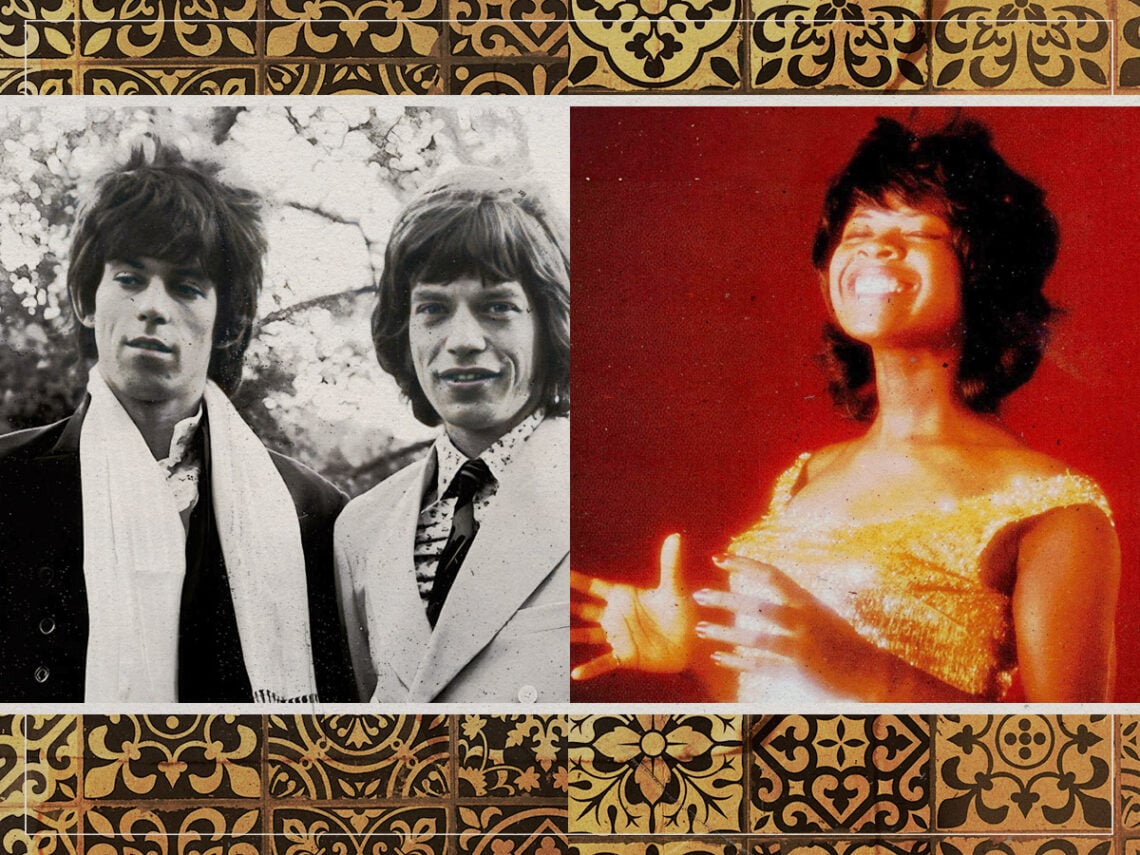
‘Time Is On My Side’: The song The Rolling Stones stole from Irma Thomas

There are a few instances in musical history where song ownership seems to change hands. Every now and then, a cover comes along that is so powerful that it usurps the original. Whitney Houston’s take on ‘I Will Always Love You’ beats Dolly Parton’s. Johnny Cash’s version of ‘Hurt’ feels so original that most people don’t know it’s actually a Nine Inch Nails song. Jeff Buckley’s recording of ‘Hallelujah’ popularised the song so beautifully that even Cohen gave it his blessing. But in the case of Irma Thomas, The Rolling Stones and ‘Time Is On My Side’, the British band stealing her song away brings up a considerable debate over who owns a song and who has the right to own it.
When thinking of the track, most people would probably hear Mick Jagger’s voice in their mind, crooning, “Time is on my side, yes it is”. Released in 1964, it was one of the early singles that caught major attention for the band, especially over in America. Way back to the start of their career, it’s a prime example of the first building blocks of the band. As Jagger and Keith Richards were still warming up to becoming a powerful songwriting duo, the Stones cut their teeth covering the work of other artists.
On The Rolling Stones No. 2, the album that features ‘Time Is On My Side’, the band also covered Chuck Berry, Muddy Waters, The Drifters and more. Through these cover renditions, the Stones were crafting their own sound; merging rock and roll with blues, soul and beyond. They are also key clues about their musical building blocks as they discovered all these tracks through the imported records they were getting from America, looking outside of their London scene and across the pond for their influence.
However, the cover versions the Rolling Stones performed were all rooted in material created by Black artists, deeply connected to the rich traditions of blues and soul music. This music arose from Black communities and is tied to their history, oppression, and racial trauma—cultures and experiences that Jagger and his band had no direct connection to. Despite their admiration for the genre, the band’s relationship with the music was one of adoption rather than lived experience.
However, The Rolling Stones weren’t alone in borrowing from Black American artists—The Beatles were also doing the same. It would be wrong to deny that the rock and roll sound, originally born from Black musicians, has since been developed and expanded upon by countless white acts. The issue, though, lies in how the Stones often took without giving back. They covered these songs with little acknowledgement of the original artists, essentially capitalising on the talent of others while reaping fame and success without properly crediting the Black musicians who created the music they profited from.
Irma Thomas experienced this firsthand, as while Jagger’s voice is now most associated with the song, it was hers to begin with. In 1963, Thomas entered the studio to record a track by jazz trombonist Kai Winding. Feeling the song needed more depth, she worked with Jimmy Norman to write additional lyrics, including her powerful monologue about a lover who would pay for their bad behaviour. Jagger not only kept Thomas’ dramatic monologue in The Rolling Stones’ version but also copied her vocal performance down to the smallest detail, further blurring the line between inspiration and appropriation.
Thomas’ version is an R&B track at its finest. It’s emotive and gripping yet loose and seductive, full of gorgeous instrumental details like guitar riffs and incredible vocal runs from the singer. But, like most covers released by white rock and roll bands during the British invasion era, the Stones’ take got more attention than Thomas’ own. Soon, her name was forgotten in favour of Jagger’s.
For Thomas, as a singer who had lived an incredibly tough life of poverty, segregation, and young motherhood all while trying to work for her dreams, the fact of these white boys from affluent London suburbs swooping in and pocketing her song was devastating. She became increasingly infuriated by requests to sing ‘The Rolling Stones Song’ as her original take wasn’t acknowledged. Neither was she. While her song gave the band their major US breakthrough, the troupe never thanked Thomas at the time.
It took decades for her to get her flowers. In 1992, Thomas supported Bonnie Raitt, who rightfully introduced her as the original singer of the song and encouraged her to reclaim the track as her own after years of refusing to perform it. Ever since, she’s been hailed as the ‘Soul Queen of New Orleans’, and a mission to recognise her work brought her legacy into the limelight and out of Jagger’s shadow.
