


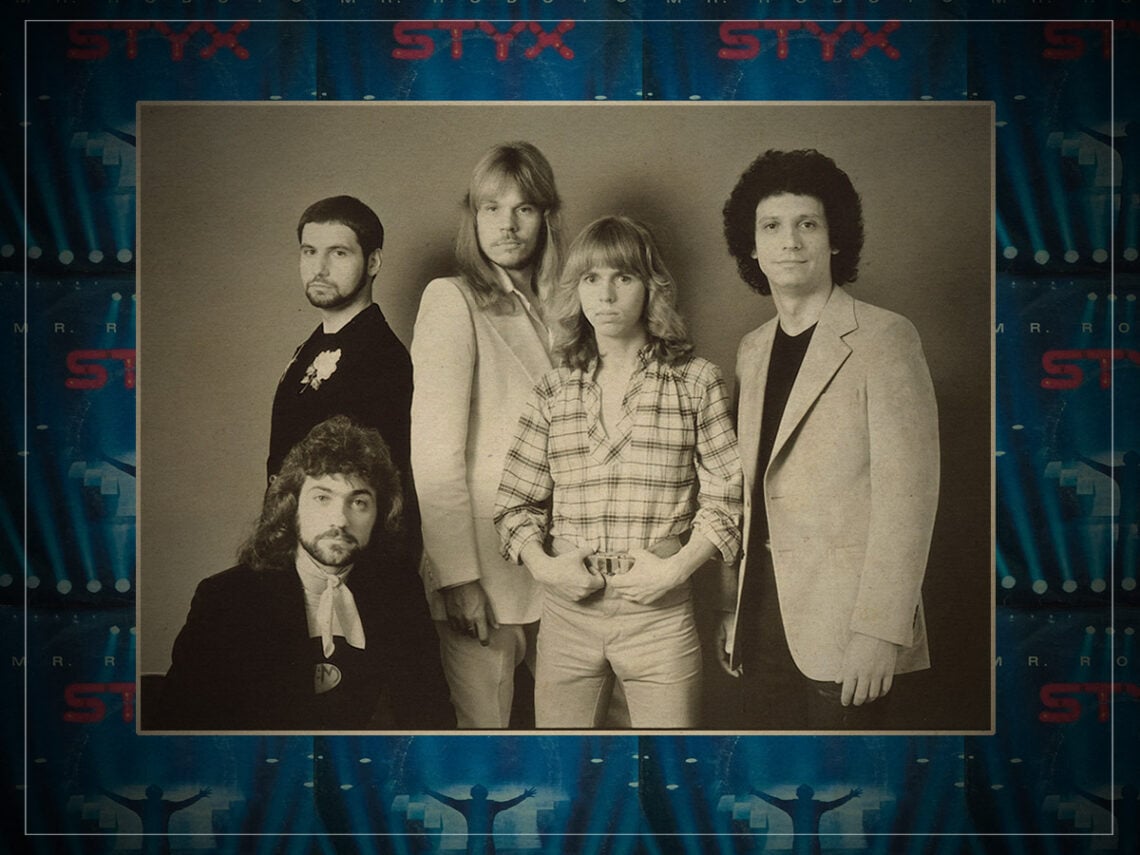
‘Mr Roboto’: The song that the Styx think might define the future of humanity

While there have been many artistic interpretations of what the near future might look like, not all of their creators can claim to have lived long enough to see their visions come to fruition.
Fritz Lang may have imagined the humanoid robot, Maria, in his 1927 film Metropolis, but the first functional creation of this kind only came to exist in 1973, just three years before the Austrian filmmaker passed away.
We constantly complain that technology is moving at a rate too rapid for us to contend with, but it’s evident that many past depictions of robots existing in society either haven’t become a reality in exactly the same way as imagined or they’ve taken far longer to be developed than we believed possible. In terms of prolonging the need for us to exist as living beings, this is a good thing, but there are several areas of society where our automaton adversaries are already plotting their takeover.
However, there’s one example of a classic rock song that its creators purport to have predicted the future with, and the accompanying concept album is a fine early example of dystopian fiction that seems to foreshadow the world we live in now, despite having been released in 1983. A year away from being able to pass judgment on the accuracy of George Orwell’s predictions of “newspeak” and “thought police”, American prog-rock outfit Styx saw fit to have their own stab at looking into their crystal balls to see what horrors awaited us in the not-too-distant future, with single ‘Mr Roboto’ being the most famous instance of this.
While it was taken from a wider conceptual release in Kilroy Was Here, ‘Mr Roboto’ introduces the album’s protagonist, a half-human, half-robot tasked with saving the world from a complete takeover at the hands of the machines. Some of the fears that were instilled in Nineteen Eighty-Four are clearly still on the minds of the band here, with state censorship also being a prominent theme across Kilroy Was Here. We get a glimpse into the harrowing future that they envisaged, where Kilroy has escaped from a prison where workers have been replaced by robots, with humans existing as their subordinates.
With futuristic synth sounds and vocoded lyrics in both Japanese and English, Dennis DeYoung didn’t believe that it stood much of a chance of becoming a hit in its own right, essentially serving as an overture that would bridge the gap between the short film and the start of the live performance on their tour. Despite this, it ended up not only being their biggest hit, but in their minds, an incredibly prescient track that will go on to define humanity for years to come.
In a 2020 interview with SongFacts, DeYoung proclaimed that with the rise in automation, virtual assistants and artificial intelligence, the song was now more relevant than ever. “That’s going to be, like it or not, and I can’t say I like it, the defining song over all of them,” he proclaimed, adding, “Going forward, robots are going to matter.”
The band may have overstated their sagacity with this statement, but there’s no denying that as far as futuristic concepts in music go, they were about as close as any other act has ever come to writing a hit song about how our world might look almost 40 years from its release date.
