


The 2007 song Robert Plant called “the most difficult piece of music to sing”

The chemistry between the members of Led Zeppelin was the kind of thing that seems impossible to replicate.
Although Jimmy Page may have had a fine groove going with the members of The Yardbirds, his decision to take a chance with a supergroup of sorts made way for the most striking hard rock music of the 1970s, from blues stompers to sweeping epics. While John Bonham may have laid down a steady groove in the back, the spectral voice of Robert Plant glided above every single track.
Coming from the world of folk music, Plant originally wasn’t the first choice to front Zeppelin, with Page even asking Blind Faith/Traffic vocalist Steve Marriott if he wanted to play with the band. Although Marriott turned him down, Plant proved to be the right choice, making what could have been traditional blues songs into vocal exorcisms on ‘Dazed and Confused’ and ‘Ramble On’.
Even as the band went along, Plant was always trying out different styles of vocal performance, becoming more reserved on ballads like ‘The Rain Song’ before exploring different Eastern imagery on ‘Kashmir’. Then again, not every vocal style was exactly a walk in the park for Plant, either.
Outside of Zeppelin, Plant wanted to move away from the typical sounds he was known for. Although his flirtations with world music and traditional rock and roll made for exciting experiments in the ‘80s, something began to turn around when working with Allison Krauss.
Being from the folk and bluegrass world, Krauss played the complete opposite of what Plant was known for, getting him to sing in a somewhat reserved register while never sacrificing any of his emotional power. When talking about the challenge, Plant singled out ‘Polly Come Home’ as one of his most challenging songs, recalling on Digging Deep:
“It’s just the most difficult piece of music to sing at the tempo that we sang it at. It’s one of the toughest calls I’ve had, apart from my audition in the Yardbirds.”
That’s perhaps the most overlooked aspect of Plant’s career. For all the attention paid to the banshee wails and bravado of Led Zeppelin, he has spent much of the last four decades moving in the opposite direction. Rather than trying to preserve himself as a legacy act from the 1970s, he has continually sought out musicians who challenge his instincts.
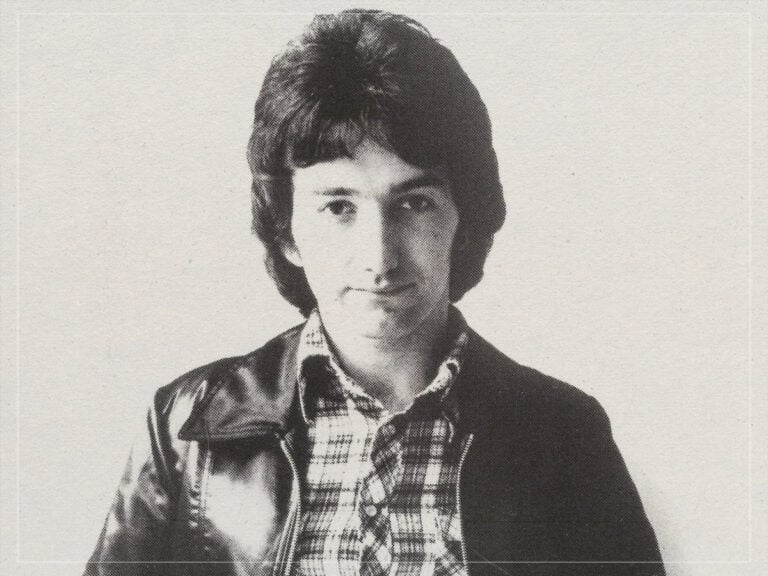
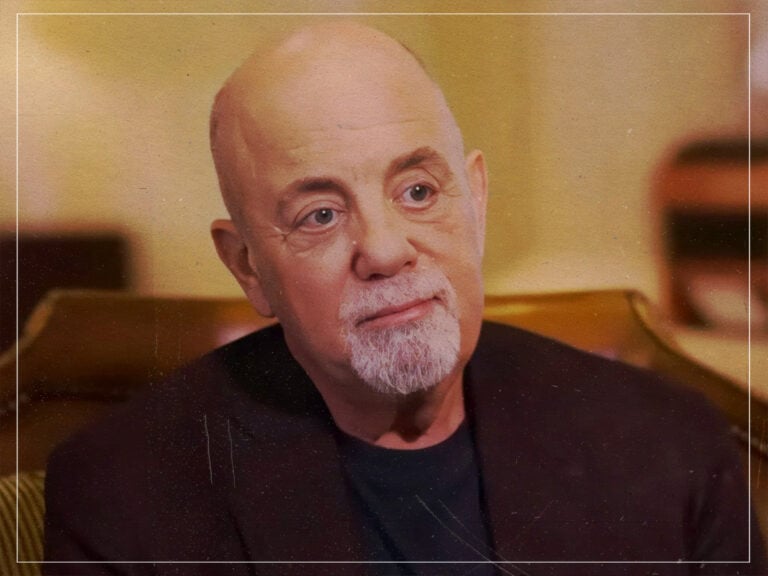

As opposed to Zeppelin’s nature to sound like a musical freight train, Plant’s ability to rein himself in wasn’t going to be easy, explaining, “The song itself is just, it’s so poignant. And it’s so slow. So the very opening line of the song, in my chest, my lungs, my vocal cords, in my sense of timing… It was, ‘How am I gonna get these words to the end of that bar without collapsing?’”
In many ways, that anxiety mirrors the qualities that made Plant such a compelling singer in the first place. Even at the height of Zeppelin’s success, there was always a sense that he was reaching for something just beyond his grasp, pushing his voice into places where it might not quite hold together.
Regardless of a track record for phenomenal vocal performances, Plant also had to get over one of his greatest competitors: himself. Coming from the Zeppelin world, Plant talked about wanting to deliver a performance that could stand alongside his previous work, emphasising, “So this is the guy that sang ‘Immigrant Song’, he’s just gonna go and sing this song here where I need an iron lung to give me a little more air to get the song out. It’s such a great song, but it was a hell of a challenge.”
But what made Robert Plant so special?
To many, Robert Plant isn’t just a great singer; he’s a bona fide and bloody barnstorming force of nature. As the frontman of Led Zeppelin, Plant redefined what a rock vocalist could be, pushing the boundaries of the genre with his electrifying range, raw power, and primal energy. While his contemporaries could belt a tune, Plant embodied it, channelling a voice that was equal parts bluesman, wailing banshee, and mystic.
Of course, Plant’s voice was only part of the appeal. On stage, he had a presence that few frontmen could match. Long hair, unbuttoned shirts and a confidence that made him impossible to ignore. Whether he was strutting across the stage or standing still, all eyes seemed to drift towards him.
On reflection today, it’s easy to say Robert Plant wasn’t just one of rock’s greatest singers. At his peak, he sounded unlike anyone else, shifting from wild, unrestrained howls to moments of surprising delicacy. With Led Zeppelin and beyond, he helped shape the sound of rock music for generations to come.

Never Miss A Beat
The Far Out Led Zeppelin Newsletter
All the latest stories about Led Zeppelin from the independent voice of culture.
Straight to your inbox.