


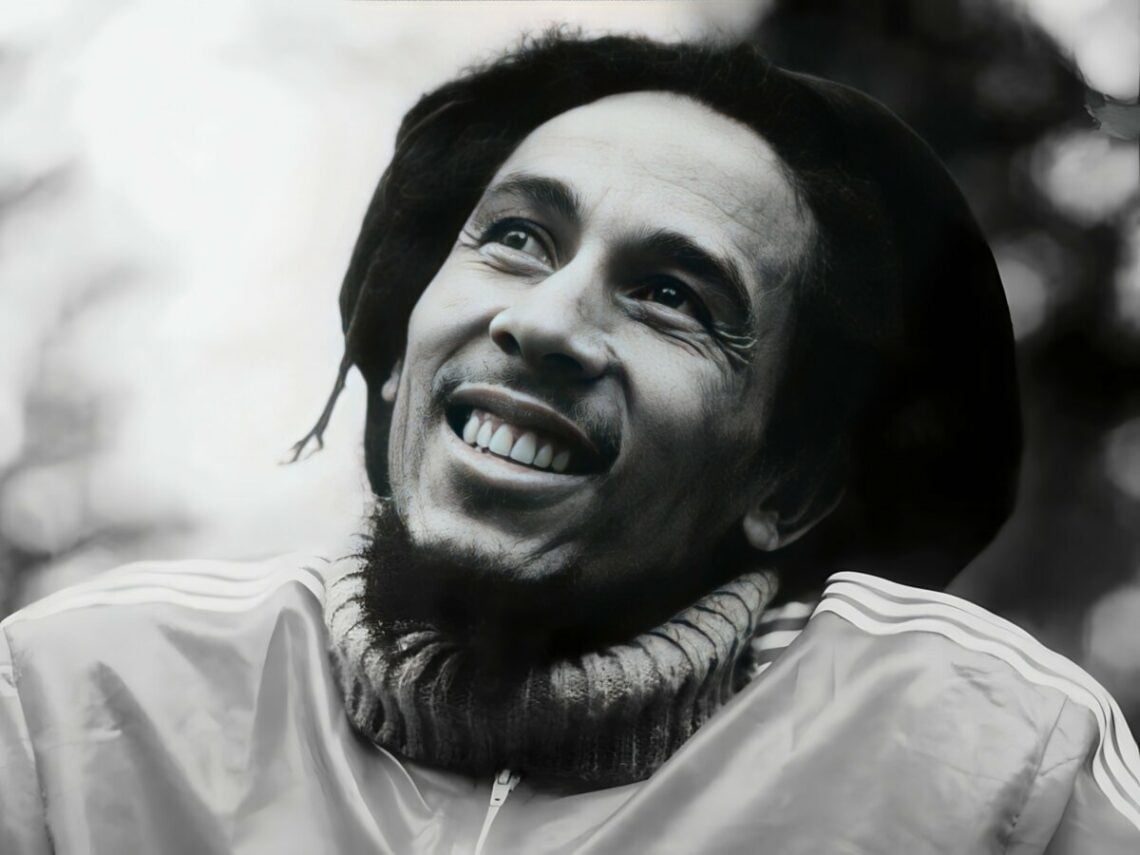
‘Rat Race’: Bob Marley’s sternest critique of capitalism

The words of Bob Marley, in 1976 on ‘Rat Race’, “Oh what a rat race! This is the rat race”. Generations later, the words of Lily Fontaine, of English Teacher, signing in ‘Broken Biscuits’, “So we’re splitting our prescriptions. Like they’re broken biscuits”. The lyrics heard in The Clash song ‘The Magnificent Seven’, “So get back to work an’ sweat some more. The sun will sink an’ we’ll get out the door” . They all mean the same thing: the system that so many great artists see in front of them is broken.
It may not be the easiest thing to articulate how that could be, yet we all know certain things we see in society don’t add up, they don’t feel right. It can be the everyday life that feels wrong. Serving a society that can seem so broken. So, when left in the hands of people like these three artists, they turn to what they do best, vocalising the feelings of those around them via their music.
Spending a considerable amount of his life campaigning for peace in his home country, Bob Marley’s breakdown of the political damage that was being caused in Jamaica was never going to come as a surprise. Constantly in search of unity in Jamaica, even up to his final years, Marley never stopped seeking peace for his nation. To do this, his condemnation of the issues he saw in front of him could be nothing short of a shout, Marley had a responsibility to use his platform to criticise the capitalist war that was rampant throughout the country. A responsibility Marley would rise to meet.
For Bob Marley on ‘Rat Race’, his commentary on the suffering he saw before himself in Jamaica, has such a powerful effect on an audience beyond the country’s borders. The repetition of the song’s title relentlessly throughout the song mirrors that of the everyman who is involved in the titular Rat Race. Each time Marley says the words, it represents another day that the ordinary person is having to take part in this style of life. His criticism of capitalism is designed to be clear and cutting. Not only does he offer no support to the system placed in front of him, but he alerts those who listen that we’re all in this one together.
You can try to wipe your hands off the whole situation, but as things get direr, you can’t help but be dragged in. “Don’t involve Rasta in your say-say, Rasta don’t work for no C.I.A.” Marley may not be causing the issues of the crumbling capitalist society, but he knows he, as well as those close to him, will have to endure the consequences.
“Don’t forget your history…” Marley sang the words as he watched the People’s Nationalist Party and the Jamaican Labour Party cause major damage to one another and to Jamaica itself. “Know your destiny…” He implores those in authority to think about their past, before making the same mistakes or abandoning what they promised to stand for. It’s a statement that now, nearly fifty years removed from its release, sounds conceringly relatable.
Recorded just months before Jamaica would declare a State of Emergency, the severity of the situation in Jamaica was intense in a very different way to that which we see and live in today, but it is alarming how fitting Marley’s words still can be today.
The way Marley enters the final verse of Rat Race still cuts close to the bone, closer than most media could. The times may have changed, the years may have passed, but we’re still in it. Read it yourself and try not to agree.
