


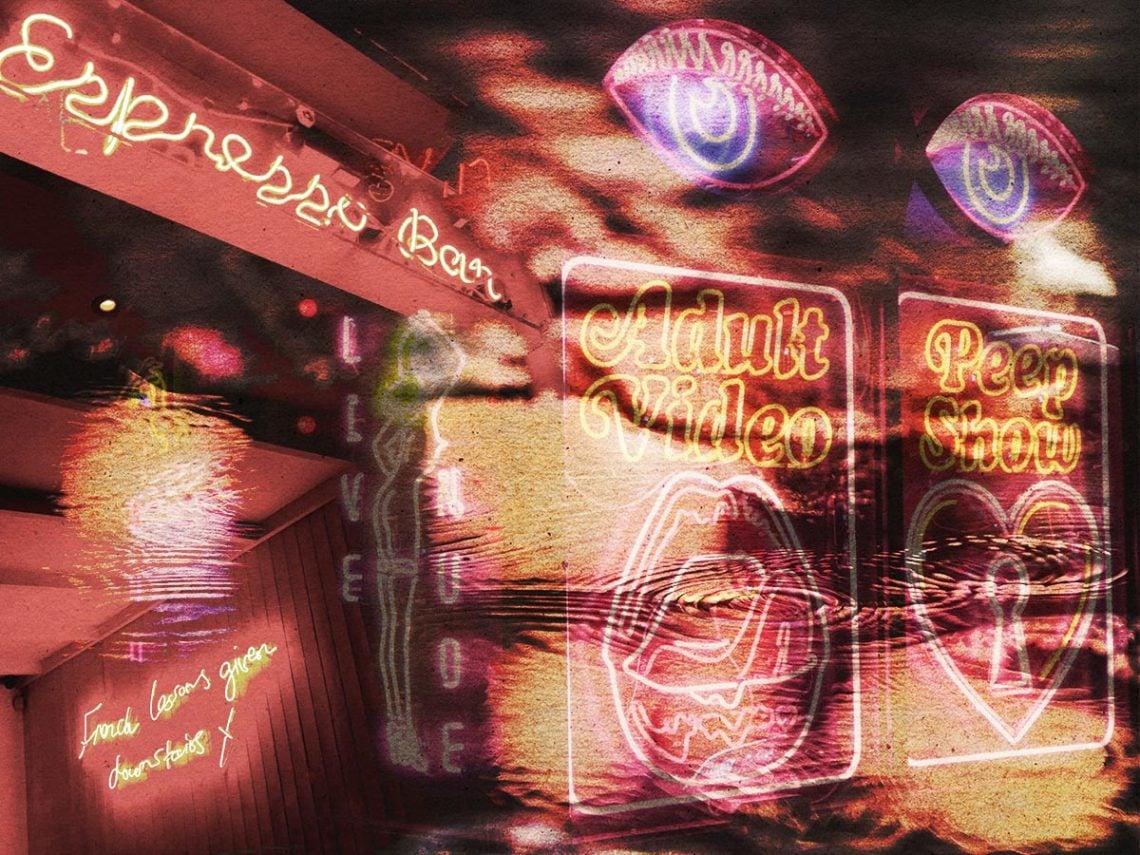
Sex in the city: A smutty history of Soho, London

Every city has a seedy side, and Soho has been the centre of London’s sex industry since 1778. Until that point, Southwark had been the city’s Red Light District. Its location beyond the mayor’s jurisdiction helped make it an entertainment hotspot filled with taverns and theatres. Yes, if it was beer, bear-baiting and brothels you were looking for, Southwark was the place to be. By the dawn of the 18th century, however, London’s prostitutes had expanded into new areas. Brothels could be found on every street from Shoreditch to Covent Garden, where many of the city’s more upmarket bordellos were situated.
The area soon earned the nickname The Great Square of Venus, with publications such as the Covent Garden Magazine listing the addresses and physical details of local ladies – all for the benefit of the well-to-do gentlemen who strolled the alleys looking for love.
By the Victorian era, Soho had toppled Southwark as London’s most popular spot. With more public houses, theatres and dance halls than anywhere else in the city, there was a lot of money to be made. Poverty had thrown huge numbers of women into prostitution, many of whom were forced to offer up their bodies or die from cold or starvation.
As Catherine Arnolds notes in City of Sin: London and Its Vices, “In 1835, The London Society For The Protection of Young Females found 400 individuals making a living by procuring girls between the ages of eleven and 15 for the ‘purposes of prostitution”. It was around this time that public perception of sex work began to shift from one of toleration to outright condemnation. As a result, Soho – and indeed much of the West End- came to be thought of as London’s own Babylon, a place where opulence and wealth stood eyeball to eyeball with vice, poverty and corruption.
The high morality of the Victorians didn’t stop them from developing a penchant for pornography. Soho was also just a stone’s throw from one of London’s most debauched corners: Hollywell Street – named for its proximity to the sacred waters of nearby St. Clement’s church. By 1835, there were something like 57 porn shops to choose from. These establishments sold prints, etchings, novels, catalogues on local prostitutes, and guides for Victorian homosexuals. These places were far from invisible. In fact, they were so indiscreet in their marketing tactics that, in a letter printed in The Times in 1846, one reader complains of seeing a shop window displaying “books and pictures of the most disgusting and obscene character, and which are alike loathsome to the eye and offensive to the morals of any person of well-regulated mind”.
Over the next 100 years or so, there were various attempts to clean up the city and cleanse Soho of its sordid reputation. During The Blitz, the area’s ‘street walkers’ continued working despite significant blows to the city’s morale. In fact, there was such demand for their services that many girls found themselves fully booked and battling for strips of pavement. By 1944, however, the authorities began imposing a series of draconian measures to curtail the Soho sex trade. Around the same time, The Evening Standard launched a clean-up campaign, leading to the closure of over a hundred nightclubs across London.
Soho itself, however, proved a little harder to tame. The area had already replaced Holywell Street as the home of pornography in London. Throughout the 1920s and ’30s, many shops specialised in hardcore material (both gay and straight), as well as Olympia Press editions of erotica classics such as Fanny Hill, The Story of O and The English Governess. Throughout the ’50s and ’60s – following the introduction of the Street Offences Act, which put an end to prostitutes soliciting on the streets – the number of sex shops in the area also increased. In the early 1960s, there were just a handful; by the 1970s, there were nearly 60. That’s to say nothing of the ‘clip-joints’, where unsuspecting tourists, as Arnold puts it “, might be lured into paying for a £300 bottle of champagne which tasted, suspiciously, in the words of The Kinks, ‘just like cherry cola'”. You could also find peep shows, private erotic cinemas and strip clubs like the Raymond Revuebar.
With organised crime tightening its grip, the police turned a blind eye, and by the mid-1970s, there were up to a hundred girls waking the district every night, some waiting for their regular customers, others searching for a new client. Corruption was rife, and many girls became targets for pimps and opportunist criminals. Locals had learned to look after themselves, but by 1978, things had got so bad that residents were forced to confront The House of Commons.
Today, you’re more likely to see expensive Sushi restaurants than Strip clubs in Soho. In the ’00s, an anti-corruption drive spearheaded by The Met (keen as ever to clean up its act) led to the eviction of Soho prostitutes from their apartments. The ECP (English collection of Prostitutes) campaigned against the closure of an estimated 60 to 100 flats, arguing that the girls were an “integral feature of the local community”. The Police raids continued until May 2009, when the working girls managed to overturn the proposed ousting. In an interview with London Informer, ‘Megan,’ A London prostitute for over 25 years, said: “This is the oldest business in the world and we’re not going anywhere.” She may have been right.
