


‘Silenced’: the movie that helped to change Korean law

The very best films possess the power to incite genuine change, to provoke audience members to confront the ugliest truths and injustices of the words and stand up against them. As far as the cinema of South Korea goes, in this light, it’s hard to look beyond the incredibly impactful 2011 work Silenced.
Silenced, based on the 2009 novel The Crucible by Gong Ji-young and known in Korean as Dogani, was directed by Hwang Dong-hyuk and stars Gong Yoo and Jung Yu-mi. Based on actual events, the movie is a harrowing account of institutional abuse and corruption within a school for deaf children.
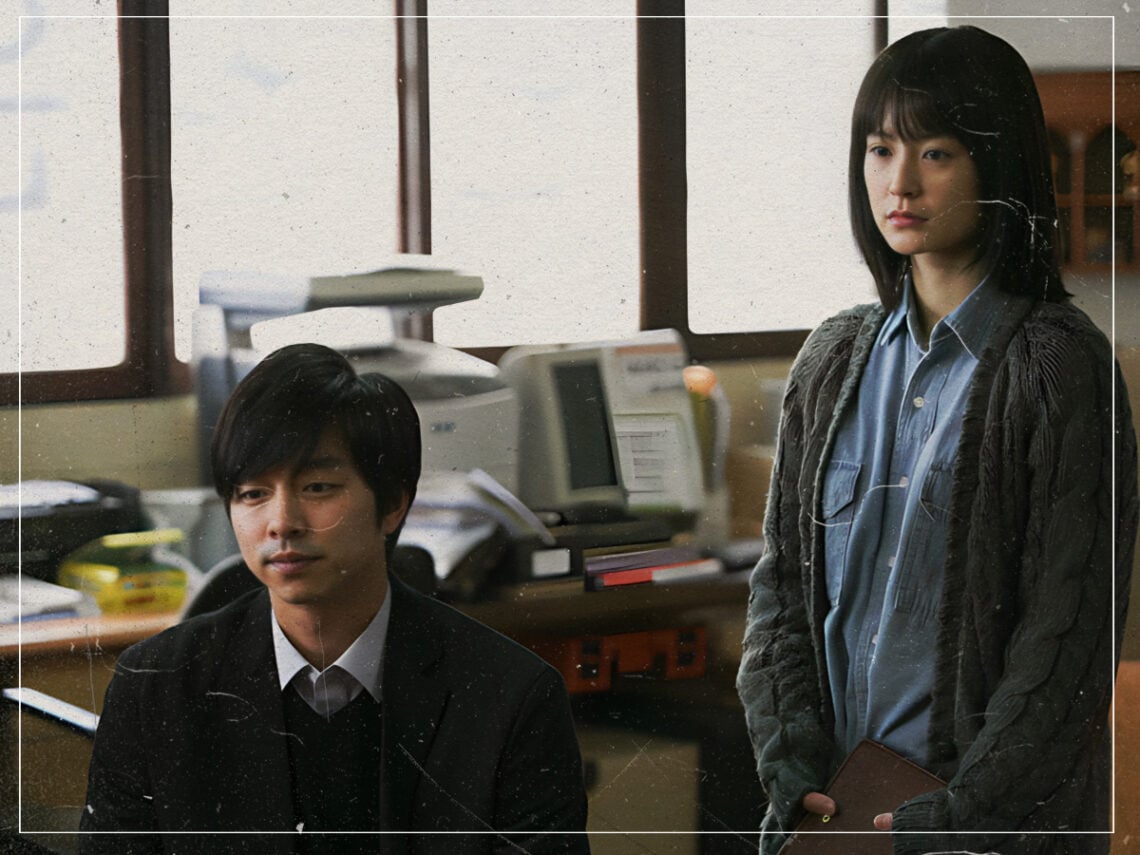
Depicting trauma with an unflinchingness often associated with Korean cinema, Silenced is a film that leaves a disturbing impression on its audience. Gong Yoo plays Kang In-ho, an idealistic art teacher who quickly discovers the injustices and abuse taking place at his new place of employment.
Despite the immense challenges that fighting an educational institution can cough up and the fact that the children themselves possess great difficulties with communication, they stand up with courage against their abusers and spark an outcry for justice against those who commit such sickening deeds.
Gong’s performance is nothing short of mesmerising, matched by Kim Hyun-soo and Jung Yu-mi, who play students willing to fight for justice. But more importantly, the film touched the hearts and minds of several of its audience members and prompted them to consider the cruel realities of power and their moral obligation to confront it.
The fact that the movie is based on real events demonstrated that there were systematic failures, not only within the educational system but within Korean law, too. Silenced made a deep impression on Korean society, sparking outrage amongst the country’s citizens and actually leading to a change in its laws.
The Korean National Assembly passed the Dogani Law shortly after the Silenced was released, which allowed heavier punishments for offenders who abused children under the age of 13 and the disabled. “Human rights infringements of the disabled, such as sexual assaults, are very serious,” said a member of the committee upon announcement of the law.
They added, “It is also not easy for disabled victims to make what happened to them public and receive help because many welfare facilities where the disabled stay are not properly monitored, like Gwangju Inhwa School, as depicted in the film.”
Check out the trailer for Silenced below to see its law-changing power.
