


Should we edit offensive art?

The nature of offensive art seems like a current buzz topic but that is far from the case. Throughout history, we have mulled over what you should and shouldn’t say or display in a creative work. Nevertheless, the cycle has reached a new moment of diegesis whereby we have decided to act upon our editing urge once again. In recent weeks, musicians have commented on so-called ‘cancelled songs’ and news is currently breaking that the works of Roald Dahl are set to be altered to remove offensive language. The question is: Should we really edit offensive art?
If you travel to Rome then you will see the historic, stone-etched legacy of this age-old debate. The culture capital is adorned with more statues than mannequins in the Arndale Centre, some of them are fully nude while others sport fig leaves over their nether-regions or have had them chopped off entirely. This marble castration is a perfect reminder of the impacts of moral panic and how we respond to it.
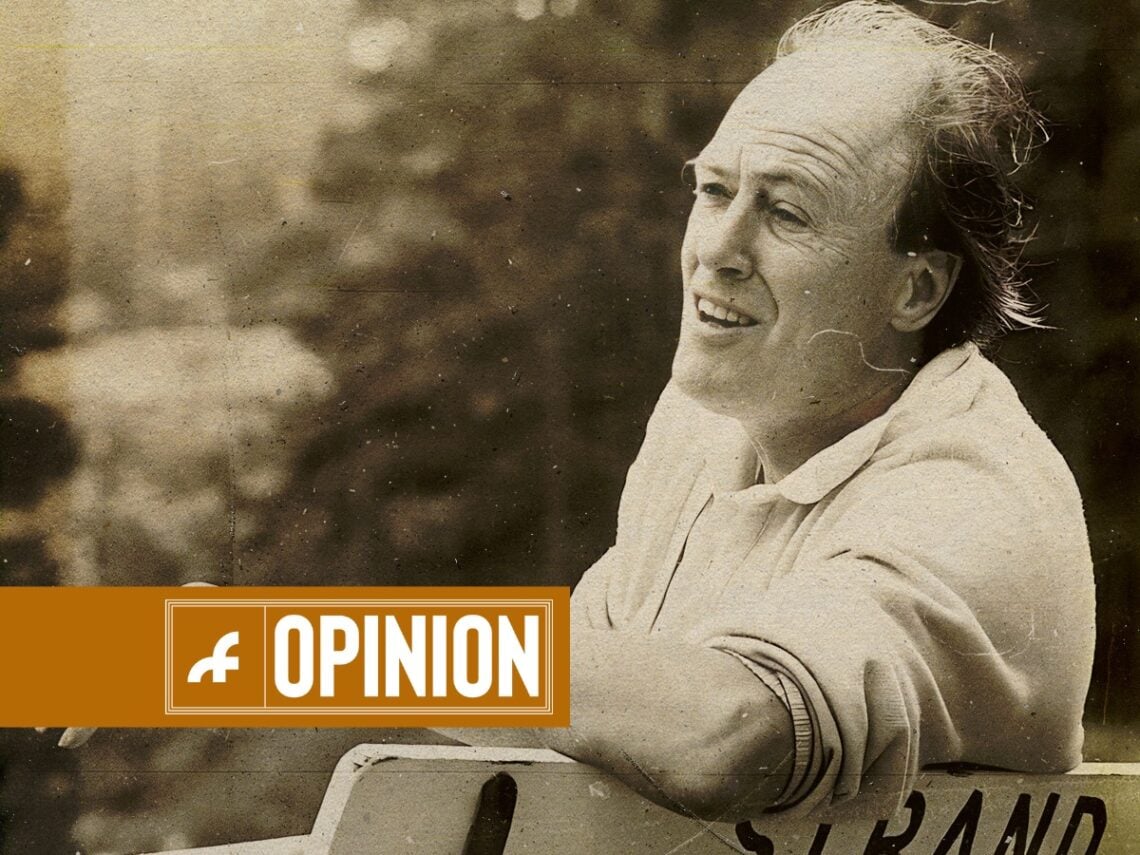
While the exposed penis (or lack thereof) on an ancient statue might not have far-reaching implications beyond the odd snigger amid school kids these days, beloved children’s literature and pop songs do have reverberating impacts in today’s society. Thus, advocacy groups like Inclusive Minds have decided to wade through the works of Dahl and edit out what they deem to be “offensive” language and preface anything that might seem dated in the hope of nurturing the minds of children with more inclusive and caring prose. But should they?
On the surface, when you remove reactionary hysteria, the move seems simple and wholesome. When given the choice, would we not rather live in a world where art doesn’t offend anyone, and we can rear our views on considered content for the many not the few? After all, changing a few words is not necessarily condemning the artist but rather saying: ‘this creator is so beloved that we are improving their work so that they can continue to be celebrated in modern times’.
This argument is given further clout when you consider that it is becoming increasingly apparent how culture can help to unconsciously perpetuate societal bias. There are so many examples of classic cinema whereby the message might be wholesome but there is a buried subtext of the female role in the story serving only to support troubled, childish men wrongly portrayed as heroes. So, it all sounds rather positive that we are now looking back with a questioning eye and striving for egalitarianism, doesn’t it?
Well, yes, but the second you go a fraction beyond the gentrified surface you see the same problems underneath; and now you have angry locals wishing things were the way they once were. Editing texts and overdubbing lyrics is a mere fig leaf of the modern age. It papers over a problem, proves unnecessarily divisive, and ruins a perfectly good ancient statue for the sake of a temporary fad, so to speak.
The implication of this modern call to edit the past is that we have hit the pinnacle of moral propriety when that is self-evidently not the case. Therefore, the revisionist process will have to perpetually revolve in order to uphold our changing moral standards. This reality serves to highlight the futility of the enterprise and illuminate its detriment to art and society. In essence, it’s like putting out fires but not fixing the gas leak—you are left with an airbrushed cultural history but an unaddressed stockpile of offence and prejudice moving forward. Surely it would be better to let art remain as it is and educate people about why it is harmful rather than the other way around.
While once more the counter-argument is that the two don’t have to be mutually exclusive: we can rid works of offence and educate people on the right way to present things at the same time—the question of whether the former process is worth it when the latter is doing the legwork comes to the fore.
And ‘legwork’ is an operative word, chosen to illustrate an artistic point in the same way that Dahl and every other writer would’ve pored over their own painstaking prose. In the 19th century “leg” was an offensive word, seen as a way of sexually objectifying women when “limb” was the proper term. Now, we see how ludicrous that is, but it serves an important illustrative point in this current debate—a point that would’ve likely been lost if the work had been edited and “leg” had been scrubbed from history.
Editing Dahl’s innocent work is the perfect paradigm of this. The planned changes see a description of Augustus Gloop in Charlie and the Chocolate Factory changed from “fat” to “enormous”, all the while it remains obvious that we are discussing a fat child of condemnable character. The overarching moral of Gloop is that greed and gluttony are negative traits. In the current uber-capitalist dystopia, that message is actually a vitally important one to present to children. So all that has been achieved with the edit is swapping a synonym for one that may seem temporarily less offensive and, in the process, harming the punchy lesson in Dahl’s art.
What’s more, it undermines the intelligence of the future generation. Objectively it is surely better to present history to children as fact and then explain why we have changed and moved on. Explaing that Dahl used “fat” to colourfully indict a nasty character, but now we should look to do so in a less skin-deep fashion because it is hurtful encourages empathy and understanding, simply swapping it for “enormous” does not. By taking away this progressive discussion, you are maiming art purely to shift lexical goalposts and leaving the progressive arc of history unaddressed because we seemingly think that if a five year old reads the word “fat” then they are going to turn into some sort of body-shaming dictator—that alone says a lot more about society and has a greater hamstringing impact on it moving forward than the word choice of an old book.
The final nail in the coffin for editing or censoring existing works is that the current debate actually exists. The same people who grew up listening to offensive songs and reading problematic prose are now the ones angling for a brighter future, proving that our outlooks are not dictated by the wording of old art, but rather educating ourselves and trying to produce, promote and publish new art that reflects our egalitarian outlook. There is no lesson to be learnt from rowing backwards and swapping “fat” for “enormous” or bleeping a slur in a song, only a nebulous argument that will never end and the endless fig leaves of history prove that ugly, defacing point perfectly. This is pearl-clutching, not progress.
