


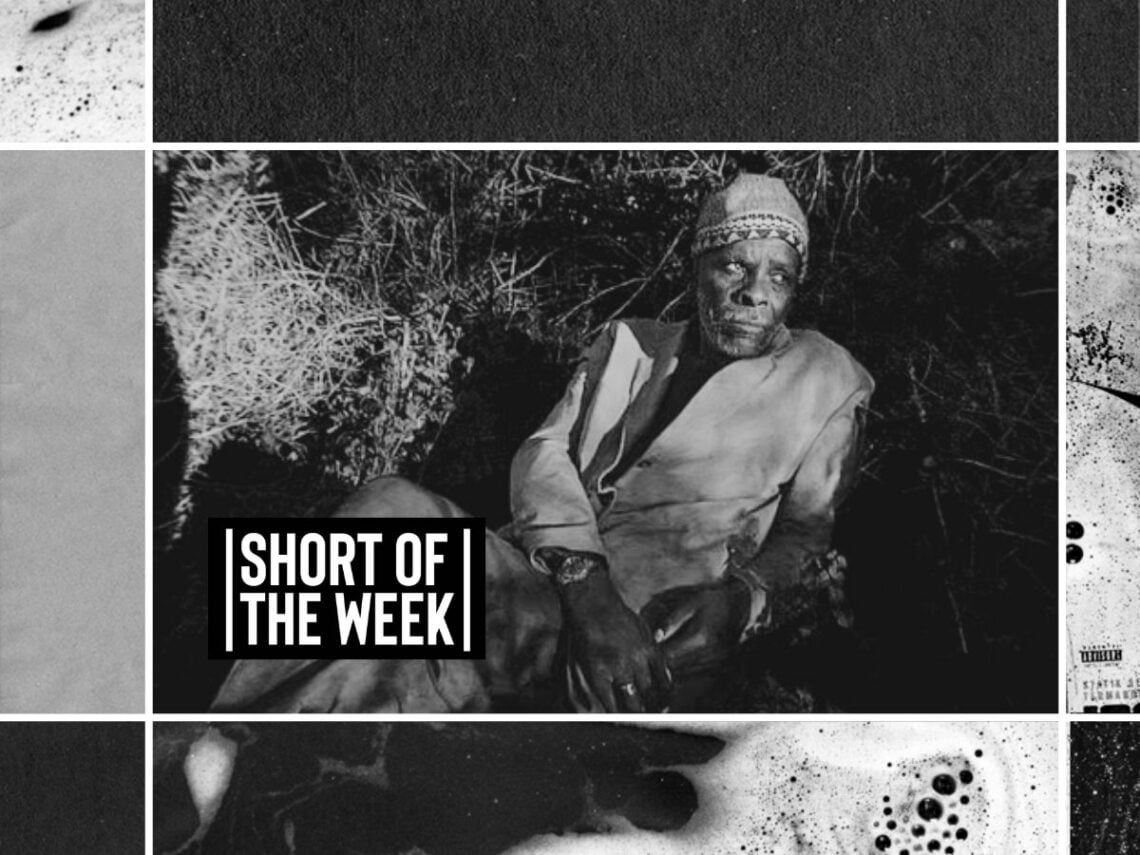
Short of the Week: ‘Tarrafal’, a powerful documentary by Pedro Costa

Portuguese auteur Pedro Costa has established himself as one of the most important filmmakers in the world due to the seminal impact of his approach to documentaries. Often labelled as docu-fiction, Costa’s cinema has furthered a unique brand of social realism while painting intimate portraits of the lives led by marginalised communities. Over time, his style transcended the limitations of the documentary format and now exists in the elusive realm of the uncategorisable.
For this edition of Short of the Week, we have chosen to shine a light on Costa’s fascinating 2007 film called Tarrafal. Made as a part of an anthology titled The State of the World, Costa managed to stand out in the collaborative project where other pioneering artists like Chantal Akerman and Apichatpong Weerasethakul also contributed. Even though The State of the World is a flawed omnibus, Tarrafal is a singular cinematic experience.
The title of the short refers to the infamous concentration camp located in Cape Verde, built to exterminate any kind of resistance against the unimaginably brutal dictatorship of António de Oliveira Salazar. Costa uses docufiction elements and recurring characters to construct a powerful meditation about death and destruction, weaving multiple narratives together to insist that we can never escape the chains of our violent history.
During a conversation with Sabzian, Costa explained the narrative framework of the film: “The actors in my films are mixing their own stories with the social story of their country and their neighbourhood. In the case of Ventura, it was Cape Verde and Fontainhas. The text they use comes from their individual and collective memory. In Tarrafal, a short film I made, there is one guy playing a dead guy. He is saying: ‘I am dead. I went there, and they killed me.'”
The auteur added: “That is what I mean when I say they can play everything. They can recite that, give me news about this incident. It isn’t the moustaches and the wigs or trying to fake some kind of behaviour, posture and movement. They can tell you: ‘I did this, then they killed me, and now I am dead.’ Which is a great way of saying: ‘Watch out, this is not true. I am myself, and I’m just telling you what happened to another guy who is dead now.'”
While Tarrafal doesn’t even begin to capture the magnificence of Costa’s artistic vision that is evident in larger works like Colossal Youth, it is a noteworthy starting point for those who are unfamiliar with the Portuguese director’s style. In Costa’s hands, the cinematic medium becomes a porous barrier that facilitates the transmission of human memories, tinged with the unmistakable colours of loss, grief, devastation and oppression.
Watch the film below.
