


‘Shoah’: The essential eight-hour holocaust documentary

Rightfully discussed in conversations regarding the greatest documentaries ever made, Claude Lanzmann’s essential nine-hour movie Shoah, which dissects the horror of the Holocaust, is a noble piece of filmmaking that deserves its place in the ranks of history. Made up mainly of talking head interviews, the unparalleled artistic vision is seen as one of the most definitive documents of the genocide of European Jews during World War II.
Made over the course of 11 years using interviews with survivors and perpetrators of the Holocaust, the 1985 film was originally commissioned by Israeli officials looking for a moderately short feature film that focused specifically on the Jewish perspective of the horrors of WWII. As the production of the film was stretched, however, this backing was retracted, and the film became plagued with behind-the-scenes difficulties.
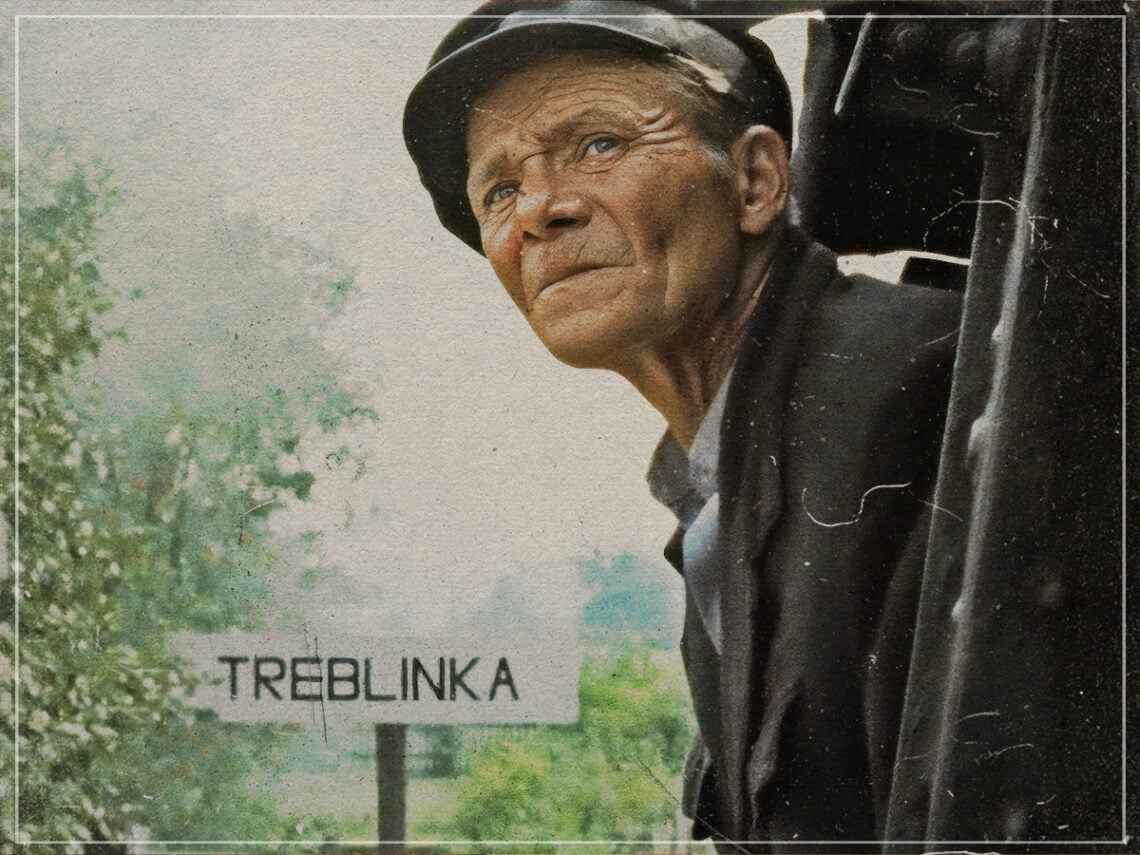
Separated into four sections, with each one exploring a separate extermination camp, Shoah is a tough yet resilient piece of filmmaking that adds no modern flair to its candid and unambiguous interviews. Lanzmann did work to construct several scenes for dramatic effect, however, with the steam train used in the film’s promotion being hired by the director to show the path that the conductor had made transporting Jews.
When interviewed by The Hollywood Reporter back in 2016, Lanzmann was asked about such scenes in relation to the release of László Nemes’ Holocaust drama Son of Saul, revealing a fascinating truth about the nature of documentary filmmaking in the process.
“I wouldn’t even say that Son of Saul is a fiction film,” he said of the Oscar-winning film, “This division between documentary and fiction has to be changed…usually, in a documentary film, you’re filming something that exists or existed before — for Shoah, nothing existed. I had to make a pure creation and invent according to the truth. The first protagonist in Shoah, the man who sings a song in a boat on the river, is an invention of mine. Is it fiction or documentary? It’s meaningless”.
This reality is brought to life through the people who saw the horrors first-hand, including the Treblinka inmate Richard Glazar and Auschwitz survivor Rudolf Vrba, among many others, with each new recollection creating a bleak portrait of the lives that were lost and the humanity that abandoned during the years of the conflict.
Understandably, not every subject was so willing to tell their side of the story, particularly when it came to the German perpetrators. Former SS officer Corporal Franz Suchomel talked in great detail about his crimes working at Treblinka, yet refused to be filmed for the film, with the director having to hide recording equipment during the interview, also falsely promising that he would not use his real name.
The result of Lanzmann’s efforts is a truly remarkable piece of documentary filmmaking that boasts perhaps one of the most noble uses of the cinematic form. To this day, it remains the most definitive document of the horrors of the Holocaust.
