


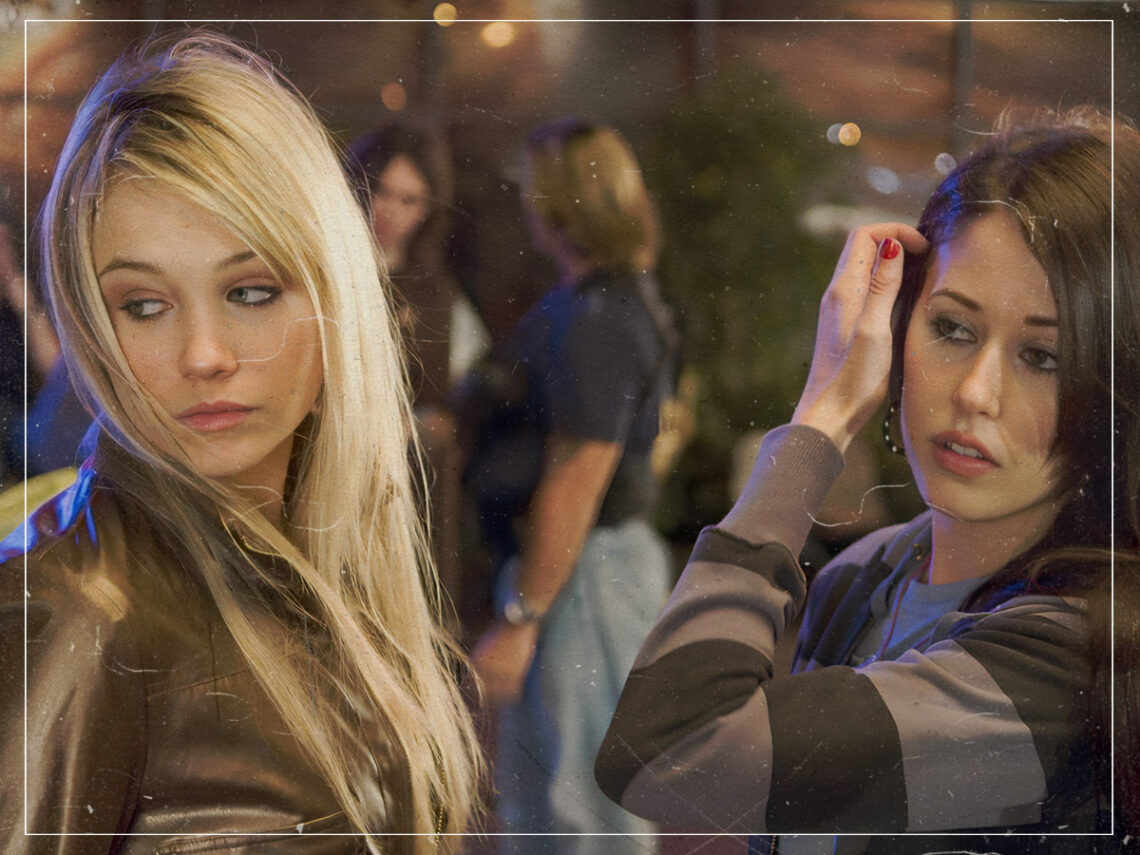
‘Sex Drive’: The forgettable comedy that pioneered a cinematic staple

Whenever a movie introduces a major cinematic first, it tends to be remembered for pioneering a technique that soon becomes industry practice, but not always. For proof, look no further than 2008’s unstoppably mediocre comedy Sex Drive.
Adapted from Andy Behrens’ novel All the Way, it marked the second feature from Sean Anders, who would eventually go on to become a comedic heavy hitter as the writer and/or director of such hits as Hot Tub Time Machine, Horrible Bosses, We’re the Millers, Daddy’s Home, as well as the all-singing and all-dancing festive musical Spirited with Ryan Reynolds and Will Ferrell.
The story finds Josh Zuckerman’s lovelorn Ian posing online as a strong and confident man, even though, in reality, he’s a timid and sweet teenager. He ends up meeting a kindred spirit known only as ‘Ms. Tasty’ and decides to realise long-held ambitions of losing his virginity by stealing his brother’s car and heading off on a cross-country adventure.
As tends to be the case as it applies to the raunchy teen comedy as a whole, there are plenty of mishaps and shenanigans to be found along the way, but paying customers couldn’t care less. The genre tends to be fairly bulletproof at the box office, but despite being made for a relatively thrifty $19million, Sex Drive failed to recoup those costs in ticket sales and would have long since been lost to the annals of history were it not for one key innovation.
Mobile phones have become such an integral part of everyday life that their presence in film and television has increased as a result, but nobody had really come up with a visually engaging way of depicting a conversation happening through text message until Sex Drive came along. These days, it’s commonplace for bubbles to appear on-screen, relaying the back-and-forth conversation between two parties, but it was Anders’ film that got there first.
It’s become such a staple that nobody’s really bothered to ask where it came from and who blazed the trail for everyone to follow, but even if somebody were to offer their wildest possible guess, a 2008 comedy that flopped at the box office and pays off a running gag by having Fall Out Boy make a mid-credits guest appearance absolutely would not under any circumstances be the thing that came to mind.
And yet, that’s precisely how it went down, so anytime anybody finds themselves watching a movie or TV show that features the now-standard speech bubbles popping up on their screen and wonders why it became such a popular tactic for productions worldwide, they need look no further than Sex Drive as the progenitor. That’s pretty much the only thing of note that happens in its 109-minute running time, but what a way to do it.
