


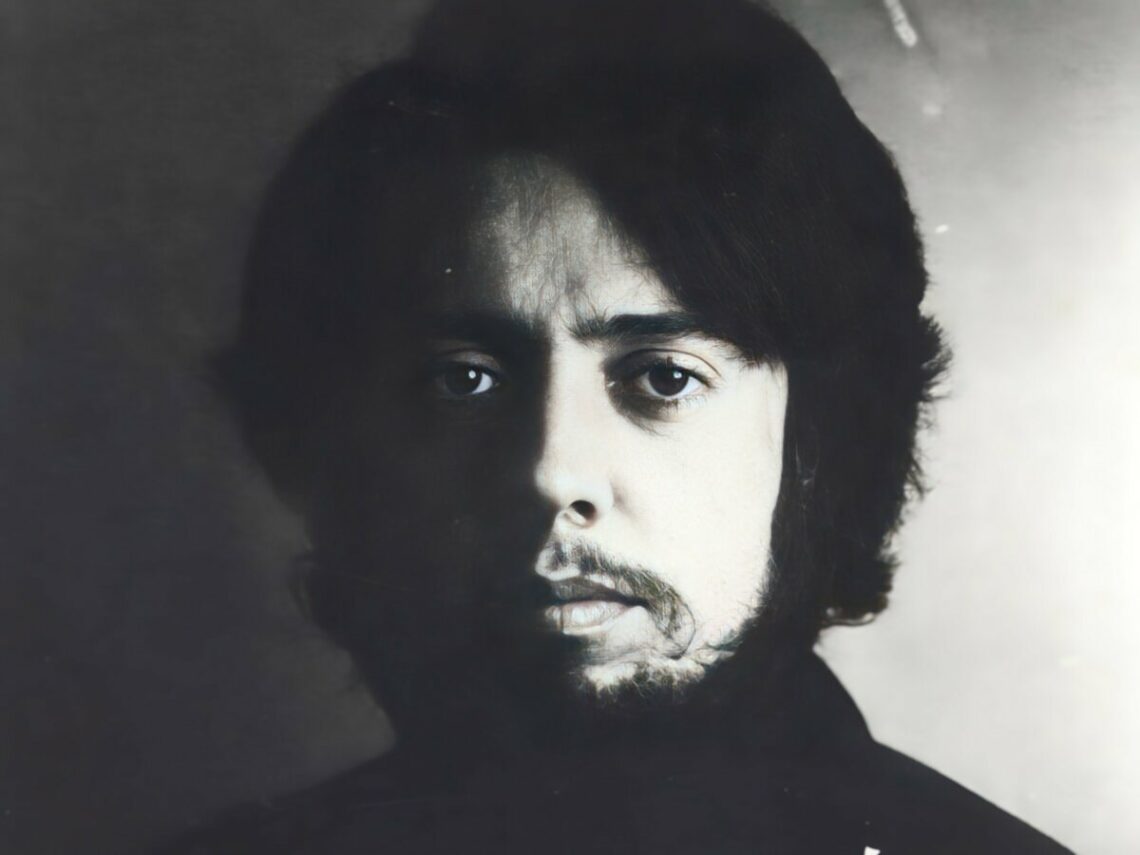
Sérgio Mendes, bossa nova pioneer, dead at 83

One of Brazil’s greatest musicians, Sérgio Mendes, who pioneered the globally successful sound of bossa nova during the 1960s, has passed away at the age of 83. According to a report issued by Mendes’ family members, the songwriter passed away peacefully today at his home in Los Angeles, surrounded by his friends and family. His death is reportedly due to health issues caused by long-term Covid-19.
“His wife and musical partner for the past 54 years, Gracinha Leporace Mendes, was by his side, as were his loving children,” the Mendes family wrote in a statement before adding, “Mendes last performed in November 2023 to sold out and wildly enthusiastic houses in Paris, London and Barcelona. For the last several months, his health had been challenged by the effects of long-term Covid.”
The enduring success of Mendes should come as no surprise, given that he was among the first artists in Brazil to adopt the revolutionary sounds of bossa nova. Born in Niterói, Brazil, during the politically tumultuous period of the 1940s, Mendes had originally intended to pursue classical piano. However, the rise of jazz and samba in Brazil set the budding young musician on an entirely different path.
Entranced by the early sounds of bossa nova music during the 1950s, Mendes had certainly found his musical calling. After forming the group Sexteto Bossa Rio in 1961, the songwriter wasted absolutely no time in perfecting this revolutionary new style, and, more importantly, he dedicated himself to spreading the gospel of bossa nova far and wide. Even during these early years, Mendes’ sheer talent and intense originality led him to tour the world, playing at iconic venues such as Carnegie Hall in the United States.
Mendes did not fully arrive onto mainstream radars until the mid-1960s, by which time bossa nova had become something of a global phenomenon, inspiring the creation of countless imitators and charlatans. Of course, the original is always the best, and Mendes proved such by forming the groundbreaking outfit Brasil ‘66.
Supported by the jazz colossus that was Herb Alpert, alongside A&M Records, Brasil ‘66 witnessed an unrivalled level of success with their unique take on the bossa nova sound. Tracks like the genre-defining ‘Mas Que Nada’ made Brasil ‘66, and Mendes by extension, household names across the Western world, thanks to the platinum-selling album Herb Alpert Presents Sergio Mendes & Brasil ’66.
That level of acclaim only increased when Mendes performed ‘The Look Of Love’ at the Academy Awards in 1968, inspiring another hit single for the band and even eclipsing the commercial success of Dusty Springfield’s version. Although, for many decades following the 1960s, Mendes’ relevance dropped somewhat, his incredible body of work routinely reentered the collective consciousness of music fans, most notably during the 2000s when he teamed up with the Black Eyed Peas to re-record ‘Mas Que Nada’ for an entirely new generation.
Mendes’ death is a great loss for fans of lounge music and boss anova but, more so than that, it is an incredible loss for the music scene of Brazil. For a period, Mendes was the greatest musical export of the South American nation, and his legacy can still be felt in much of the bossa nova and MPB inspired music being released in the modern age.

Never Miss A Beat
The Far Out Music Newsletter
All the latest music news from the independent voice of culture.
Straight to your inbox.