


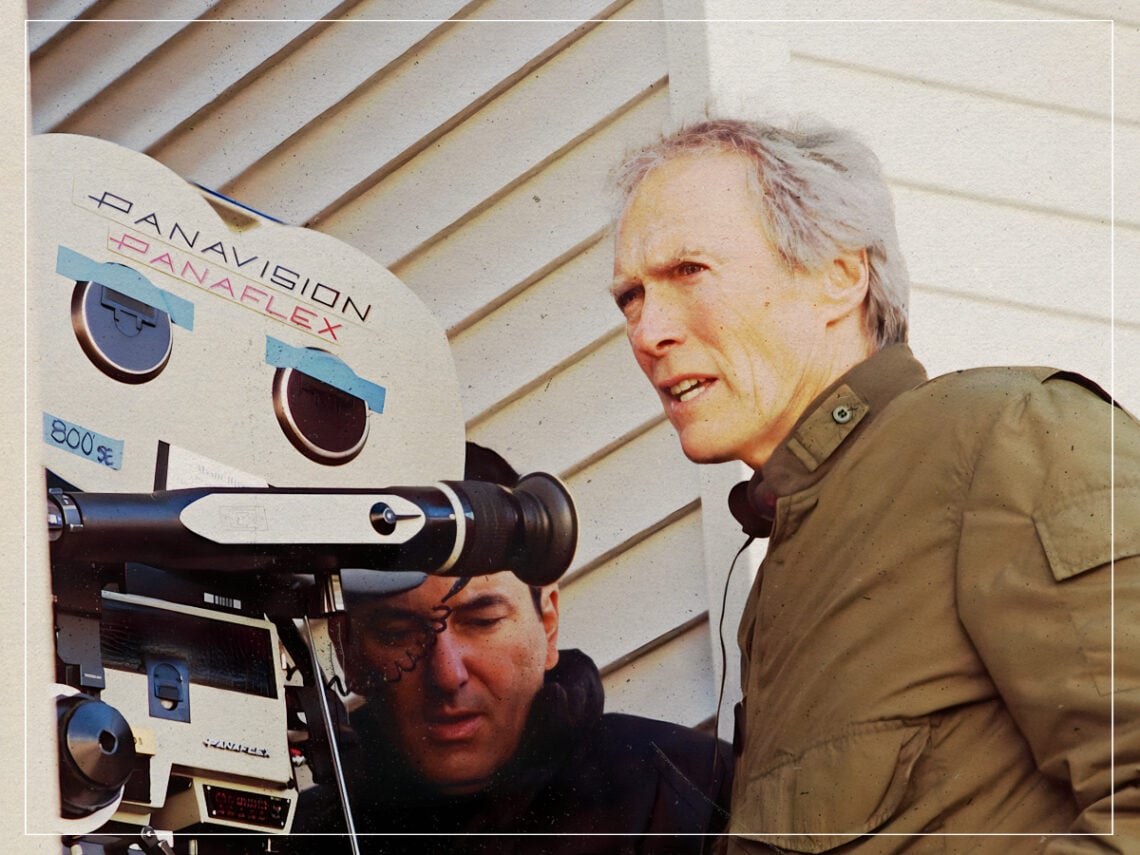
The one scene Clint Eastwood cut from ‘Unforgiven’: “I miss it to this day”

Directors have to make difficult decisions every time they work on a project, unable to predict whether those choices will ultimately pay off. Clint Eastwood, the filmmaker behind gems such as The Bridges of Madison County and Million Dollar Baby, also found himself in a similar dilemma while he was occupied with one of the most acclaimed films in his oeuvre.
It’s not easy to find success in the movie industry, but the American star has risen to the very top as an actor as well as a filmmaker. Ranging from his iconic performances in Sergio Leone’s Dollars trilogy to his directorial efforts, such as Letters from Iwo Jima, Eastwood’s work has continued to pique the public interest for multiple decades now. A major reason behind the actor-director’s longevity is his deep understanding of the medium, bolstered by the experiences he has gathered throughout his illustrious career.
While The Good, The Bad and The Ugly and Dirty Harry are often the first films to be discussed in relation to Eastwood’s legacy, the movies he has directed have proven to be just as influential within the context of genre development. The perfect example of the latter is Unforgiven, Eastwood’s brilliant 1992 revisionist western that revitalised a dying genre and showed audiences how those frameworks could be approached in a new way for the modern era.
Starring alongside the likes of Morgan Freeman and Gene Hackman, Eastwood plays the role of William Munny, a former gunslinger who gets pulled back into the world of violence that he had left behind. Initially, screenwriter David Peoples had a completely different ending for Unforgiven, which sees Eastwood’s character deny the killing spree he went on when one of his children asks him about the murders he has committed.
During an interview with Yahoo, Peoples reflected on the alternate ending that was close to his heart: “I miss it to this day. But Clint got the movie right… What’s good about that scene is that it means that the killings aren’t triumphant killings. Munny doesn’t say, ‘I killed that motherf***er.’ He’s ashamed of what he’s done…. He said he thought that it was a beat too many, and he wasn’t going to use it… He had this sense that the movie had already ended, and sticking on another scene wasn’t going to help.”
Commenting on Eastwood’s directorial skills, Peoples added: “As the sensitive writer, I wish somehow it could have made it in, but he got the rhythm right. He has a brilliant sense of drama… I don’t know what’s happened to it… I don’t know if it’s something Clint would want to re-release or put on a reel or something. Either way, it’s done. He made the movie, and it’s a beautiful movie.”
Peoples definitely has a point about the ending that Eastwood decided to cut because the added layer of moral complexity contained in Munny’s denial provides a complicated context to the violence that the audience witnessed up to that point. However, Eastwood’s knack for editing ultimately paid off, with Unforgiven widely cited as one of his finest achievements.

Never Miss A Tale
The Far Out Clint Eastwood Newsletter
All the latest stories about Clint Eastwood from the independent voice of culture.
Straight to your inbox.