


‘Evil Does Not Exist’ movie review: Ryusuke Hamaguchi delivers poignant, creeping reflection on nature’s beauty

Something treacherous lurks throughout the runtime of Drive My Car director Ryusuke Hamaguchi’s new film Evil Does Not Exist, a threat that seems to hide in the shadows of its forested rural Japanese setting. The film details the disruption to a small countryside community by a Tokyo talent agency as they plan to build a glamping site to acquire pandemic subsidies without care for the damage that will undoubtedly be done to the town’s serene way of life.
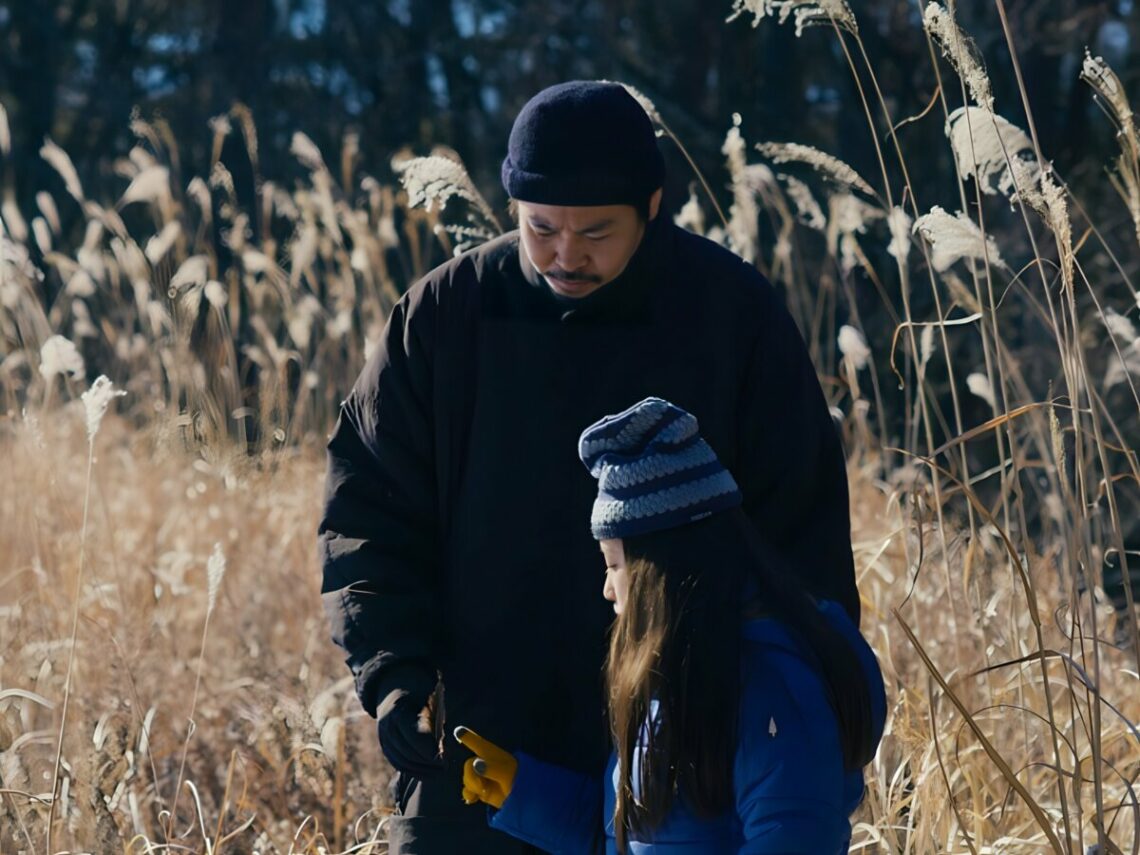
Hamaguchi takes his time building the tension of his narrative, reflecting perhaps the solemnity that living at one with nature provides. The self-confessed “odd job man” of the village, Takumi (played by Hitoshi Omika), chops wood and collects water for his fellow townspeople as his daughter Hana (Ryo Nishikawa) explores the local woodland, with Hamaguchi in no rush to advance proceedings for the film’s first act. During these scenes of true bliss, we can project our anxieties, indicating the healing power that a natural setting tends to exhibit.
But as stated, and as the film’s title suggests, a sinister motive seems to creep just out of shot, and it’s not necessarily the arrival of two workers of the talent agency sent to “brief” the town’s residents on their plans. Takahashi (Ryuji Kosaka) and Mayuzumi (Ayaka Shibutani) seem to be remorseful of their very presence in the village, and a lengthy car journey scene as they make their way back for a second round of talks has the pair open up on the pressures that city life seems to create, touching on loneliness and the persistent compulsion to find meaning in romantic relationships.
Just as audience members find serenity in the gorgeous lakes and forests of the town, so too do Takahashi and Mayuzumi and one of the rare moments of humour arrives with the former chopping wood for the first time in an experience of genuine excitement. Appearing to be the primary antagonists of the story, just half an hour before, Hamaguchi indeed posits that even those of us with ulterior motives are not cruel-hearted in nature.
Eiko Ishibashi, who handled one of the best film scores of the 21st century in the form of Drive My Car, is on hand once again, shifting from her previous lounge jazz effort to equally beautiful orchestral compositions, which are also somewhat more sinister in tone. In fact, it’s scenes in which Ishibashi’s strings rise high above the trees that the solemnity of the forest is overshadowed by something unspeakably and unexplainably painful; such is the intensity of her prowess as a composer.
Evil Does Not Exist ambles along at such a pace that one cannot entirely escape from an overwhelming sense of dread, amplified further by the sudden cut-offs of Ishibashi’s score. As Takahashi comes to be further enchanted by the slower pace of life that the countryside provides, a rather shocking ending arrives, and though its ambiguity might frustrate some viewers, it’s a refreshing conclusion to a narrative that seems to drift as listlessly as the river that runs through its setting’s forest.
There’s always a remarkable and patient beauty to Hamaguchi’s films, and Evil Does Not Exist is no different: a poignant reflection on the imperative to protect our most rural areas from the insistent onslaught of capitalism’s greed. With an overarching narrative that can almost border on horror without ever resorting to shock or gore, preferring instead a symbolic subtlety, the director’s most recent effort is one that seems to work its meaning deep within us, touching even the darkest, deepest recesses of our minds, hearts and souls.
