


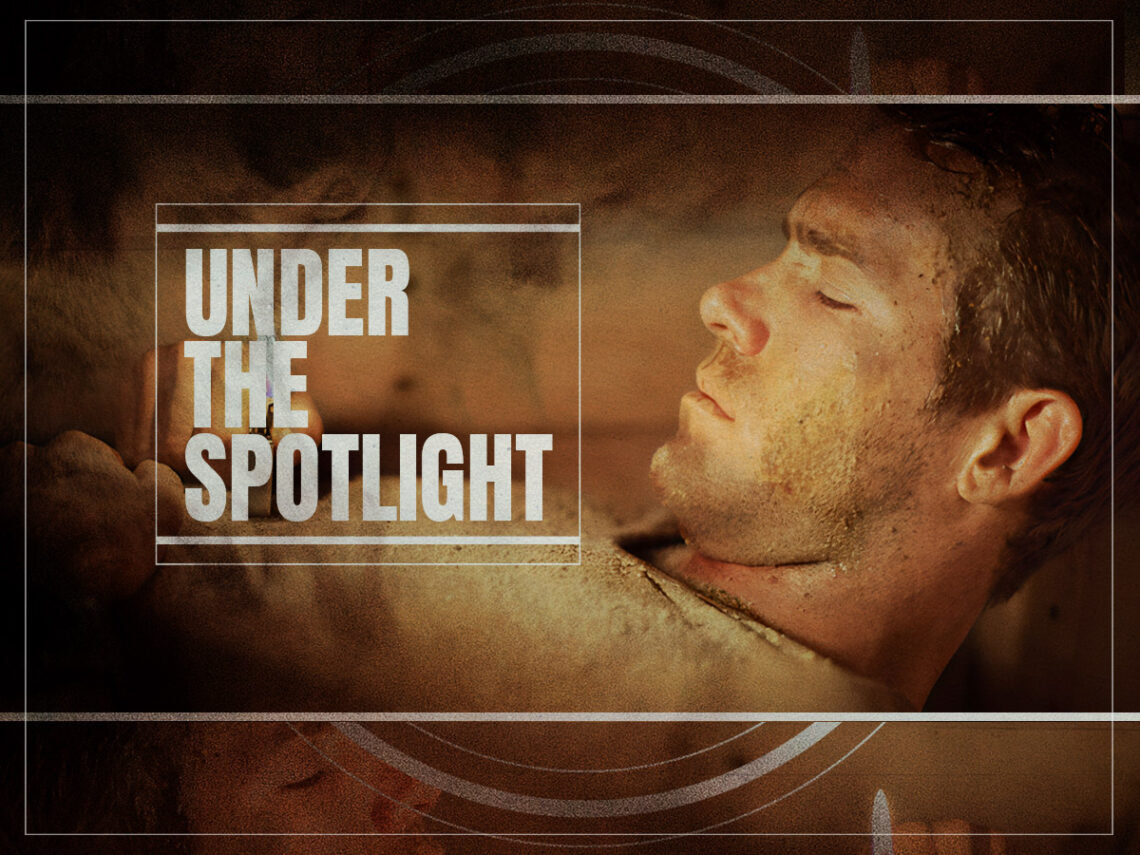
Under the Spotlight: Ryan Reynolds can act if he wants to, but ‘Buried’ remains an anomaly

As one of Hollywood’s biggest, most popular, and commercially viable stars, Ryan Reynolds is obviously very good at what he does. He’s found something that works for him as a performer, and studios were equally thrilled to discover that it works just as well for audiences.
The downside for those who’d love to see him try anything even remotely daring or different is that he’s got absolutely no reason to stretch himself when playing thinly veiled extensions of himself in several high-concept genre films and effects-heavy blockbusters continues to pay off so handsomely.
Look through Reynolds’ filmography, and there are plenty of box office success stories, a number of flops, and the occasional hidden gem or two. However, what’s lacking is serious drama, and what’s in even shorter supply are showcase performances that allow him to put all of the quips, one-liners, and easygoing charisma to the side to deliver a turn driven by nothing else but his chops and ability.
In fact, there’s only one; it’s Rodrigo Cortés’s ludicrously claustrophobic thriller Buried, and he’s never felt compelled to do anything even remotely similar in the decade and a half since. That’s a shame because the 95-minute nail-biter was a phenomenal tour-de-force that made it clear Reynolds was more than capable of holding his own onscreen and engaging an audience when he’s shorn of his usual bells and whistles.
Taking the single-location thriller to an even more intimate and excruciating extreme, Buried unfolds entirely from within the confines of a coffin. Reynolds’ civilian trucker Paul Conroy wakes up and discovers that he’s been trapped underground in a box with only a meagre amount of mod cons to help keep him alive until the cavalry does or doesn’t come to his rescue.
Attention-grabbing premises are all well and good, but it takes a special performance to hold attention for an entire feature when they’re the only person onscreen, which is especially true in Buried‘s case because the action unfolds in such a limited space. Cortés uses plenty of stylistic tricks and eye-catching techniques to make it an impressive feast for the eyes, but that aesthetic would be worthless if the person in every frame wasn’t pulling their weight.
The simplest way to encapsulate Reynolds’ ordeal is that he runs through the entire five stages of grief in just over an hour and a half. Denial, anger, bargaining, depression, and acceptance are all accounted for as Conroy realises the state of his plight, rages that it had to be him, tries desperately to orchestrate an escape of any kind, plumps the depths of despair when it becomes clear it may not happen, and then comes to the conclusion that he’s completely and utterly fucked.
There are no improvisational asides, no megawatt star power to illuminate the darkness, and no wisecracks to put a brave face on a dire situation; Reynolds is locked into the character, and there’s not a chance it’s a coincidence he does the best dramatic work of his entire career when everything associated with his A-list persona has been left at the door to focus solely on performance.
He’d never done anything like it before and has never done anything like it again. Not that he should be out there banging on doors demanding to be locked in a coffin again, but Buried illustrated that there was a formidable dramatist under the grinning sheen, even if it’s a side of himself that Reynolds has never seen fit to explore again.
