


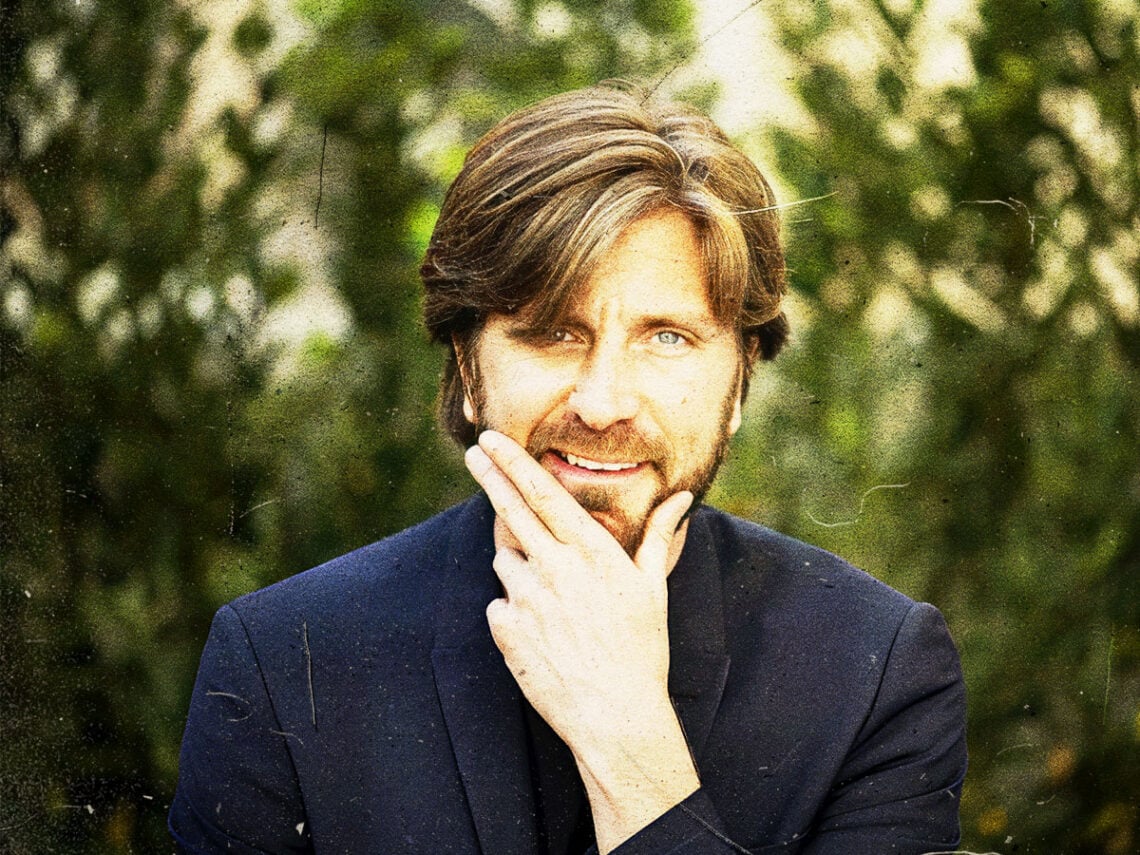
Audacious filmmaking: Ruben Östlund names the “strongest” contemporary director

Modern cinema is an eclectic cauldron of tastes and styles, but even in an industry of explosive Marvel superhero flicks and mid-blowing Denis Villeneuve spectacles, the flair of one humble filmmaking Swede seems to have risen to the top. Armed with his own brand of sharp satire and a slow, photograph-led approach to the moving image, the films of Ruben Östlund exist in their own space and time entirely.
Coming into the industry not from film school or thanks to a handy slice of nepotism, Östlund found his artistic calling through skiing videos before making the transition to cinema in 2004 with his narrative debut, Gitarrmongot. A humorous mosaic of modern life, Östlund followed his debut with the thematically similar Involuntary in 2008 before dumping this anthology style for something far more meaty.
2011’s drama Play, which tells the story of two boys who are bullied by methodical tormentors, remains the director’s very best piece of work, with the drama unfolding in a detached manner like a cruel joke. It was 2014’s Force Majeure that would put his name on the map, however, with the film taking his form back to his roots, telling the story of a family of skiers whose constructed reality is picked apart after a seemingly innocuous incident.
Once Force Majeure had charmed the world, Östlund quickly became a critical darling, winning the Palme d’Or at the Cannes Film Festival twice in a row for his 2017 art world satire The Square and 2022’s attack on influencer culture Triangle of Sadness. Thanks to his consumable arthouse comedies, Östlund has become a magnetising figure for countless young film fans, with the director himself being influenced by some of European cinema’s greatest minds.
In a conversation with A-Frame, Östlund voiced his love for the likes of Miloš Forman, Michael Haneke and Roy Andersson, highlighting such respective classics as One Flew Over the Cuckoo’s Nest, Code Unknown and You, the Living before going on to name one director who stands head and shoulders above the crowd.
“Leos Carax, for me, is visually, the most strong director that we have in contemporary times,” he told the publication, heaping praise on the French filmmaker and his 2012 film Holy Motors. Nominated for a Palme d’Or upon its release, the film was beloved, particularly in the arthouse scene, telling the peculiar story about the history of performance and the moving image.
“He is also very wild and unexpected in a way that I think is very inspiring,” he added, “Holy Motors is an actor, Denis Lavant, that is playing 11 different roles, basically stepping in and out of different characters, and he does it in a very beautiful way. He’s playing a motion capture artist in one of the scenes. In another one, he plays the father of a teenage daughter. It’s a tribute to the art of acting, and it’s a tribute to the visual language of cinema.”
With an extraordinary approach to the cinematic form, utilising different styles and techniques, it’s no wonder that Östlund adores such an audacious filmmaker.
