


The Rolling Stones wouldn’t have started without these two albums: “This is a true story”

Mick Jagger and Keith Richards were childhood friends who met when they were seven years old.
After Jagger’s family moved away, the pair that would later form The Rolling Stones lost contact for a number of years before meeting again as teenagers. Both happened to be on the same platform at the Dartford railway station, just a short distance away from where they had first met years before.
“I can’t remember when I didn’t know him,” Jagger told Rolling Stone in 1995. “We lived one street away; his mother knew my mother, and we were at primary school together from [ages] 7 to 11. We used to play together, and we weren’t the closest friends, but we were friends.”
“This is a true story – we met at the train station,” Jagger added. “And I had these rhythm & blues records, which were very prized possessions because they weren’t available in England then. And he said, ‘Oh, yeah, these are really interesting’. That kind of did it. That’s how it started, really.”
Richards remembered the moment in a letter he wrote to his aunt Patty, detailed in his autobiography Life, “You know I was keen on Chuck Berry and I thought I was the only fan for miles but one mornin’ on Dartford Stn. (that’s so I don’t have to write a long word like station) I was holding one of Chuck’s records when a guy I knew at primary school 7-11 yrs y’know came up to me”.
Richards continues: “He’s got every record Chuck Berry ever made and all his mates have too, they are all rhythm and blues fans, real R&B I mean (not this Dinah Shore, Brook Benton crap) Jimmy Reed, Muddy Waters, Chuck, Howlin’ Wolf, John Lee Hooker all the Chicago bluesmen real lowdown stuff, marvellous”.
Richards goes a little further when detailing the chance meeting and offers up a vision of his future. He said: “Anyways the guy on the station, he is called Mick Jagger and all the chicks and the boys meet every Saturday morning in the ‘Carousel’ some juke-joint well one morning in Jan I was walking past and decided to look him up. Everybody’s all over me I get invited to about 10 parties”.
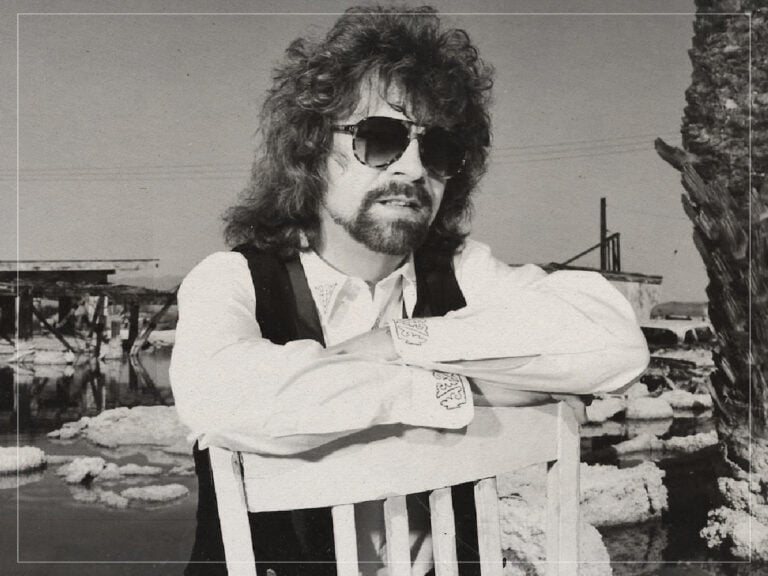
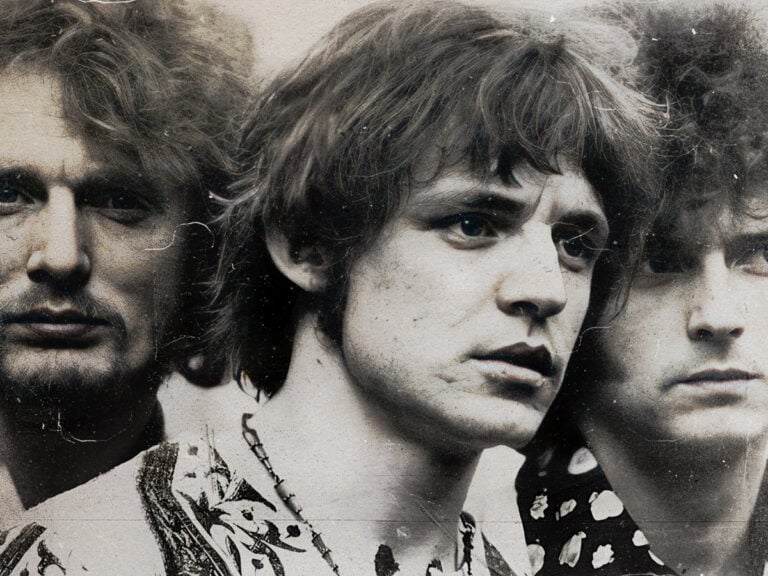

“I thought I was the only guy in the southeast of England that knew anything about this stuff,” Richards once again recalled in the documentary Under the Influence. The two albums that forever connected Jagger and Richards were The Best of Muddy Waters and Chuck Berry’s Rockin’ at the Hops, both released on Chess Records, a favourite of both Jagger and Richards.
“We started to go to each other’s house and play these records,” Jagger said. “And then we started to go to other people’s houses to play other records. You know, it’s the time in your life when you’re almost stamp-collecting this stuff. I can’t quite remember how all this worked. Keith always played the guitar, from even when he was 5. And he was keen on country music, cowboys. But obviously, at some point, Keith, he had this guitar with this electric-guitar pickup. And he played it for me. So I said, ‘Well, I sing, you know? And you play the guitar.’ Very obvious stuff.”
It would be through these listening sessions that the foundation of The Rolling Stones would be laid. In fact, one of the songs from The Best of Muddy Waters would give the band its name: ‘Rollin’ Stone’. Waters would be the first major artist to sing about “Rolling Stones”, helping to influence everything from The Rolling Stones to Rolling Stone to ‘Like a Rolling Stone’.
What started as a shared obsession between two teenagers quickly began to resemble something much bigger than casual fandom. Those early record-listening sessions grew from admiration into an informal education, where Jagger and Richards were piecing together the DNA of the music they would eventually make themselves.
In many ways, that chance meeting at Dartford station feels like the moment rock and roll history quietly shifted course. Without that shared love of Muddy Waters and Chuck Berry, there’s every chance The Rolling Stones would never have existed in the form we know them, proving that sometimes all it takes is the right records in the right hands at the right time.
