


Depeche’s role models: The performers who inspired Dave Gahan’s stage persona

When Depeche Mode first truly landed in America, the alternative synthpop group’s instantaneous fanbase was met with a fully realised package, confident and geared to conquer the charts. While 1984’s ‘People Are People’ and 1986’s Black Celebration cultivated a cult following, it was 1987’s Music for the Masses which struck a national fervour.
Everything was in place. A bold and dynamic electronic pop sound filled with Martin Gore’s seductive and vulnerable songwriting, uber-cool Schott jackets, and striking videos and visual identity shaped by Anton Corbijn—the country was theirs for the taking.
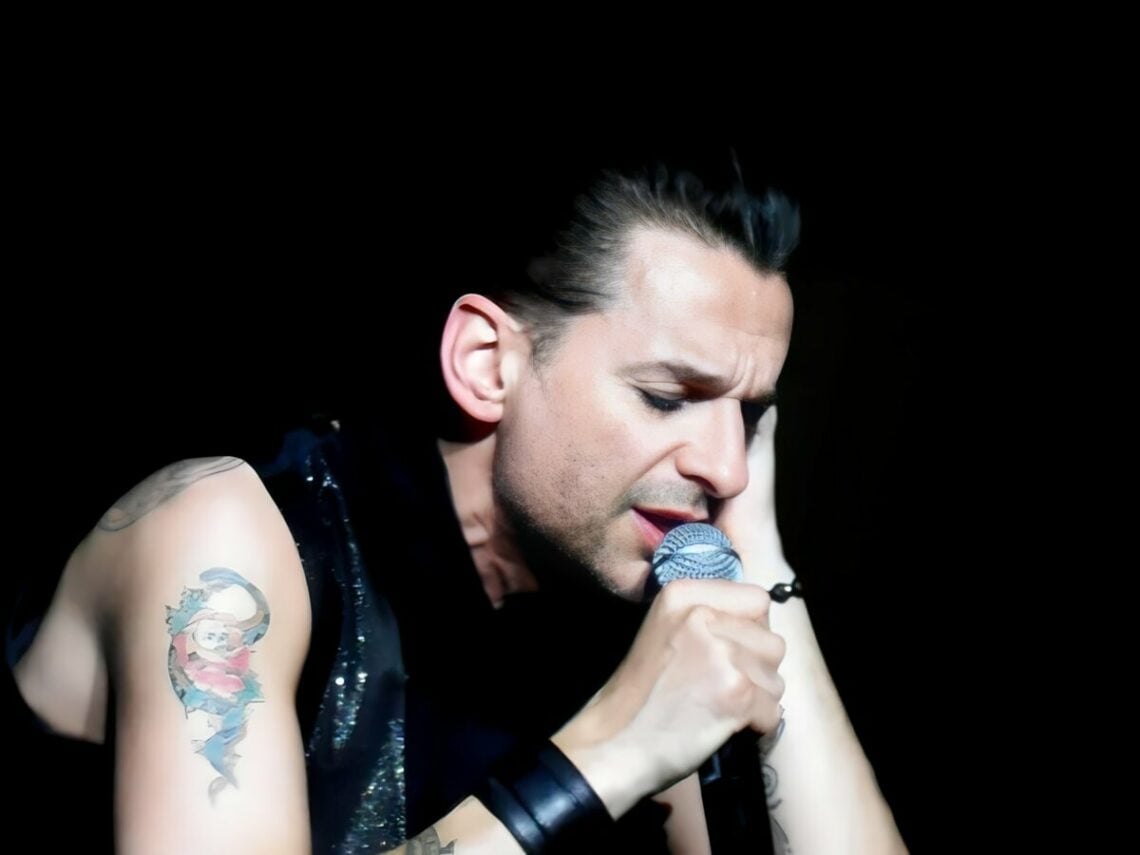
Crucially, the band’s frontman had ironed out all his performance growing pains. Long before the white-jeaned and vested poster boy strutted across Pasadena’s Rose Bowl Stadium for the 101 concert film with swaggering aplomb, Dave Gahan was stricken with the clammy anxiety of stage fright when playing the small Essex and London clubs as a teen. “When I first started performing, I was paralysed with terror,” he told The Guardian in 2021. “I’d hang on to the microphone, and my knuckles would still be clenched afterwards. Then I found that if I moved around, I didn’t feel so nervous. I kept moving and gradually…I found something of my own.”
A physical tick to stave off on-stage panic resulted in staid and stiff performances from Depeche Mode in their early pop infancy, a teething awkwardness their native UK took years to forgive them for. Yet stuffy press and bad moves aside, the audience who went to their shows loved them, a deciding detail that resulted in their being signed to the nascent Mute Records after label boss Daniel Miller noticed the crowd dancing rather than just statically gawping.
It’s what always set them apart from many of their electro contemporaries. Dave Gahan was a frontman in the classic rock sense, over simply serving as the voice of a synthpop duo à la Soft Cell’s Marc Almond or Yazoo’s Alison Moyet—as great as they were. This 1970s template would be seared into Gahan’s psyche from essential hours spent watching the BBC’s former music institution every Thursday evening. Hence, in the same interview, when asked about his inspirations, he said, “From an early age, Mick Jagger. When I was a kid, I danced around a lot and mimicked people on Top of the Pops. Bowie was a big influence…”
The Rolling Stones’ Jagger, in many ways, stands as the archetypal frontman, influencing everybody from Jim Morrison to Iggy Pop. Bowie, too, plays a prominent role in Depeche Mode lore. Gore, Andy Fletcher and Vince Clarke, while still under the Composition of Sound moniker, caught Gahan to croon to Bowie’s ‘Heroes’ in a scout hut jam session. Gahan’s entrance into the group would prove fortuitous, gifting them their revised names after spotting the Dépêche-mode French fashion magazine.
“As a teenager, I saw all the glam stuff on Top of the Pops and then took from people like James Brown, Prince and Elvis,” Gahan further revealed, “…but when I was 14, I was infatuated by Dave Vanian from The Damned, his whole stage persona.”
A creature of punk, Depeche Mode, like every budding artist of their generation, from Coventry ska enthusiasts to Stratford metalheads, raced into the new creative hinterland unveiled by punk’s flashbang lightning bolt. The Damned’s camp sense of theatre and much-needed humour to counter UK punk’s nihilism brought a shock of colour with their subtle forays into goth and psych garage. Vanian’s leather and baritone vocals echo across Depeche Mode’s development into the band they were destined to be, a mood and sensibility he carries to this day in his solo work and Soulsavers collaborations.
