


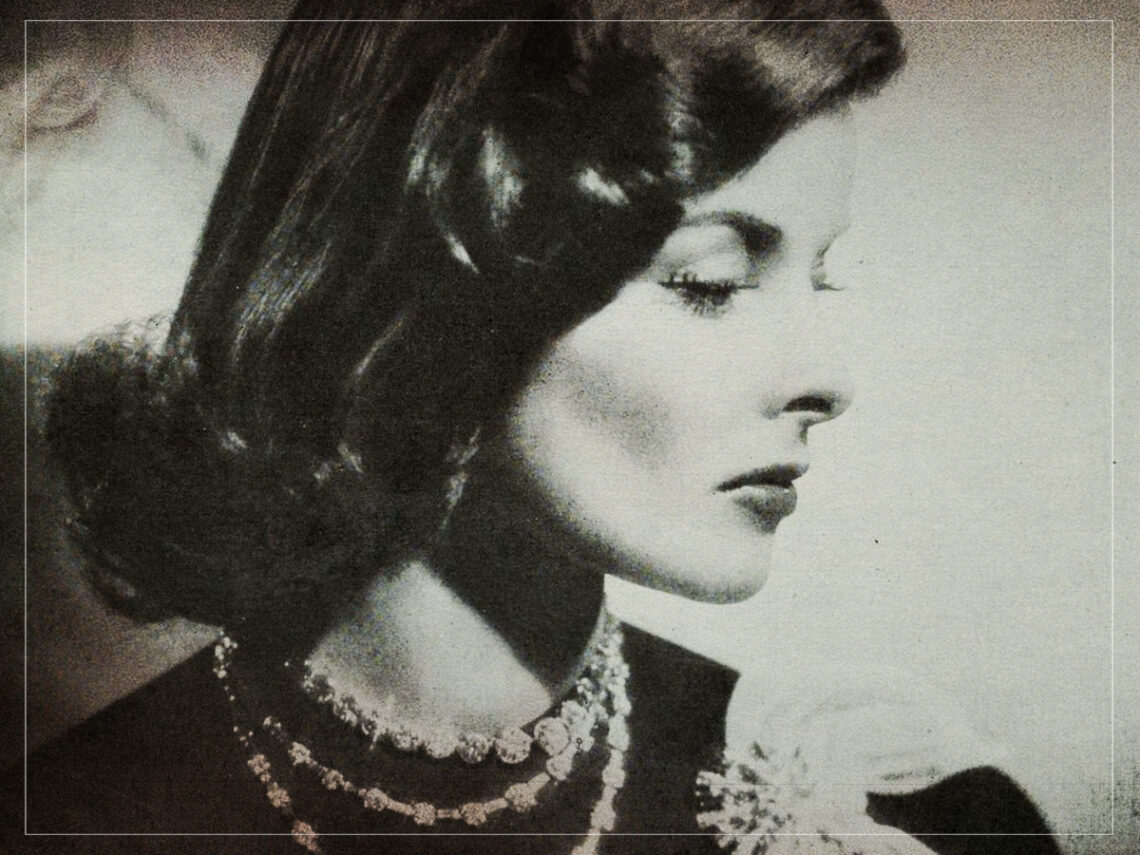
The role Katharine Hepburn spent her life savings to avoid playing: “How much have you got?”

Identifying the greatest actor who ever lived is not a perfect science, but if you’re basing it purely on awards, Katharine Hepburn takes the cake. She won more Oscars than any other actor, male or female, and did so across nearly six decades. When she died in 2003 at the age of 96, it was as if a piece of Hollywood had died with her. From the 1930s, she was a fixture in the industry, becoming the go-to star for brooding melodramas, screwball comedies, and period romances.
It’s easy to take stock of her longevity and Oscars tally and forget about all of the moments when it looked like her career had run its course. In the 1930s, after winning her first Academy Award, a string of flops made her such an unbankable star that she was labelled “box office poison.” It would take years for her to regain her status as one of Hollywood’s brightest and most beloved stars, and there was no guarantee that she actually would.
Even before that downturn, however, Hepburn’s career was thrown into major jeopardy. This time, it wasn’t attributable to the studio forcing her to make terrible movies. It was entirely down to her own initiative. In 1933, she was riding high on a string of successes. She had just won an Oscar for Morning Glory and had scored her first major hit with Little Women. She was on the ascent, the world was at her feet, and she could pick and choose what project she did next.
Instead of doing another movie, she opted for Broadway. She had always had ambitions in the theatre, and when the opportunity arose to play the lead role in a play called The Lake, she leapt at it. Part of her excitement had to do with the director, Jed Harris, who had enjoyed a decade of success and appealed to Hepburn on a personal level. Unfortunately, the attraction wasn’t mutual. Harris turned out to be a brutal taskmaster who had wanted Margaret Sullavan for the role instead of Hepburn. Rehearsals were a disaster, with Hepburn frequently dissolving into tears as Harris berated her.
The play was panned by critics, with famed intellectual Dorothy Parker condemning Hepburn’s work with the immortal zinger, “She ran the gamut of emotion from A to B.” Still, her star power meant that people continued to buy tickets. Harris, who was facing bankruptcy when the play began and would have been in financial ruin if it closed early, was determined to continue the planned tour. Seeing all of the goodwill she’d earned after her Oscar going up in flames, Hepburn was determined to quit. Not surprisingly, Harris wasn’t about to let her go without a fight.
As Hepburn remembered it, he told her, “My dear, the only interest I have in you is the money I can make out of you.” Stunned, she asked how much, to which he responded, “How much have you got?” The answer was precisely $15,461.67. Harris said he’d take it. After 55 performances, she was finally free to go back to Hollywood and pick up the pieces of her career.
