


“Gold on the cutting room floor”: Robin Williams’ forgotten movie debut and why he sued his former boss over it

Every successful actor runs the risk of an embarrassing early movie role being dredged up and used to capitalise on their newfound stardom, and when it happened to Robin Williams, he took legal action.
The industry is full of unscrupulous producers who’ll do anything to make a quick buck, especially if they’ve got a film in the vault with a big name attached. For example, Kevin Costner tried to buy back and burn the negative of his debut in Sizzle Beach, USA, when he found out it was being re-released.
Grizzly II: Revenge, the bargain-basement creature feature that had a young George Clooney, Laura Dern, and Charlie Sheen among its cast sat on the shelf for over 30 years before finally getting its day in the sun, earning near-mythical status along the way until it finally escaped from purgatory in 2020.
Paramount would have loved nothing more than to tout Robert Altman’s Popeye as the big-screen debut of Williams, the increasingly popular star coming off the back of the second season of his smash hit sitcom, Mork & Mindy, but it wasn’t true. Well, it was for a while, until the comedian’s stock began to rise.
When writer and producer Mike Callie’s self-funded anthology comedy, Can I Do It… ‘Til I Need Glasses?, arrived in cinemas in August 1977, Williams was nowhere to be found. However, after Mork & Mindy became one of the top-rated shows on television the following year, he went back into the archives to add his scenes back into the picture, and gave it a second run in 1979.
The mistake that Callie, who owned the Newport Beach club where Williams was performing as an unknown at the time the film was shot, made was turning the future Oscar winner into the re-release’s focal point, awarding him top billing on the poster and in the marketing, even though he only appeared in two brief segments in the 73-minute picture.
As a result, Williams and his management sought legal action against him for “false and misleading advertising,” with the up-and-coming actor sharing that he was “extremely upset” at the way he’d been turned into the star of a movie in which he definitely wasn’t the star, with Paramount equally furious that Can I Do It… ‘Til I Need Glasses? V2.0 had robbed them of marketing Popeye as his silver screen debut.

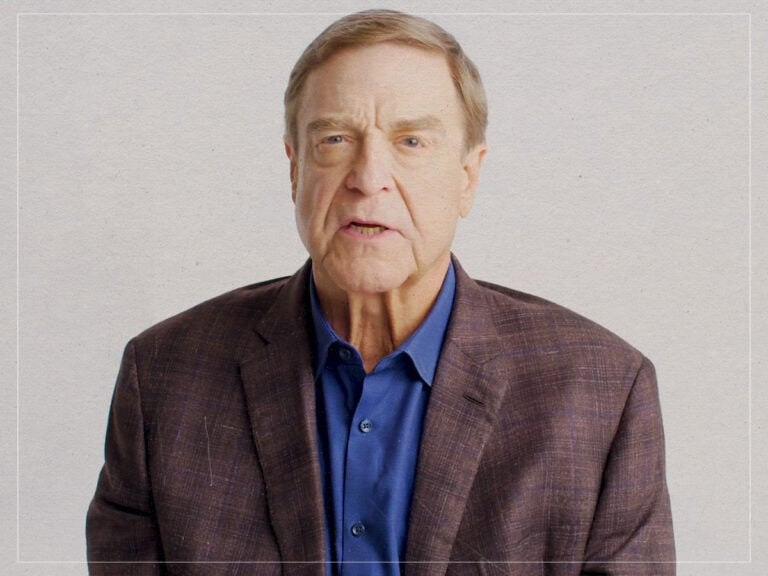
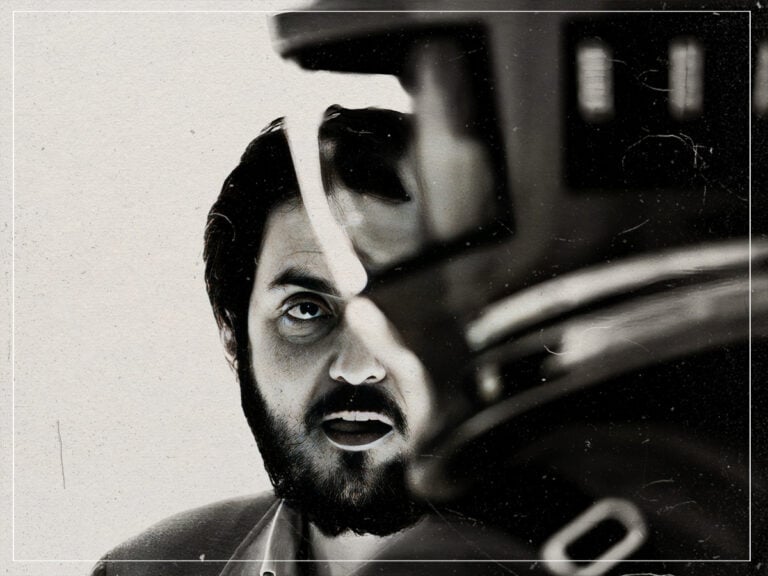
“It’s a case of what you call gold on the cutting room floor,” Callie reasoned. “Robin was an actor who was paid to do a job and who signed a release. I didn’t stick a camera in his bedroom window and film his wedding night. And I didn’t read in the release clause that said, ‘This release becomes invalid upon stardom.'”
He had a point, but he eventually relented and agreed that any subsequent newspaper, radio, or TV ads wouldn’t offer the impression that Williams was playing a significant leading role. Still, the re-release beat Popeye to the punch, and his first movie will always be the one that he sued his ex-boss over.
