


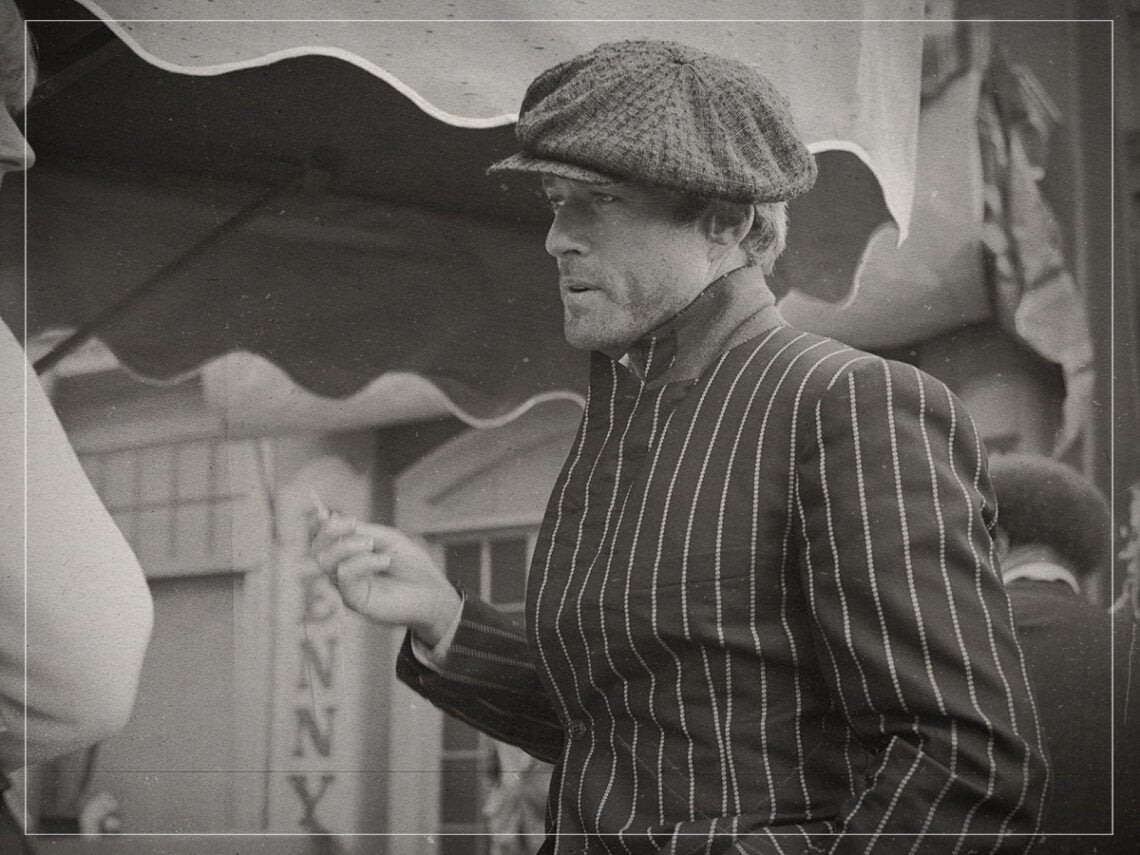
Robert Redford’s ill-advised detour into a genre he hated: “I should have been wiser”

Throughout a career that supposedly ended with 2018’s The Old Man and the Gun before he returned for Avengers: Endgame, Buttons: A Christmas Tale, Omniboat: A Fast Boat Fantasia and an episode of the TV series Dark Winds, Robert Redford displayed many strings to his performative and directorial bow.
On-camera, he was one of the coolest, most charismatic, and naturally watchable stars of his generation, conspiring to maintain A-list stardom without lending his name to a string of crowd-pleasers designed to put as many butts in as many seats as possible to reap the maximum box office rewards.
Behind it, he won an Academy Award for ‘Best Director’ with his feature-length debut and continued helming smaller, character-driven films. Redford endures as one of the ‘New Hollywood’ era’s most significant figures, but one thing he was never particularly good at was being funny.
That’s not to say he was the definition of onscreen stoicism, but Redford wasn’t exactly known for splitting audiences at the side. His natural charm meant that he was more than capable of delivering a well-timed zinger or two, but pratfalling, slapstick, and aiming for the funnybone wasn’t in his wheelhouse.
In what must have seemed like a good idea at the time for reasons known only to him, Redford decided to take the plunge and board a comedy movie. Not just any comedy movie, though, but one directed by Ivan Reitman, who helped define a period of rib-tickling cinema that he actively despised through the likes of Meatballs, Stripes, and Ghostbusters.
“When I thought movie comedy, I thought Capra, Wilder, Cary Grant, Tracy and Hepburn,” the actor admitted. “And when I wanted alternative comedy, I went for George Carlin. But I hated where ‘hip’ comedy went in the 70s. It was a terrible cycle.”
However, despite Reitman, John Landis, John Belushi, Steve Martin, Mel Brooks and the rest redefining Hollywood comedy as the 1970s gave way to the 1980s, Redford ignored his intuition and listened to his agent, Michael Ovitz: “When I took on Legal Eagles, I didn’t look into the people or the style closely enough. I just felt I should be open to Mike’s advice.”
In the film, Redford stars as a lawyer preparing to try Darryl Hannah’s thief for stealing art created by her late father, with Debra Winger stepping up as her defence attorney. Naturally, he ends up falling for the opposing counsel, leading to all of the personal and professional trials and tribulations anyone would expect.
With the benefit of hindsight, he regretted it. Redford described Legal Eagles as “a patchwork of clichés from any number of TV legal dramas and caper movies,” leaving him to rue the day he let his agent dictate his choice of projects: “I should have been wiser.”
It’s not the worst entry in his filmography by any stretch, but it’s not too far off either after being widely panned. On the plus side, it recouped its budget more than three times over in ticket sales, even if it helped convince Redford that comedy wasn’t his strongest suit.
