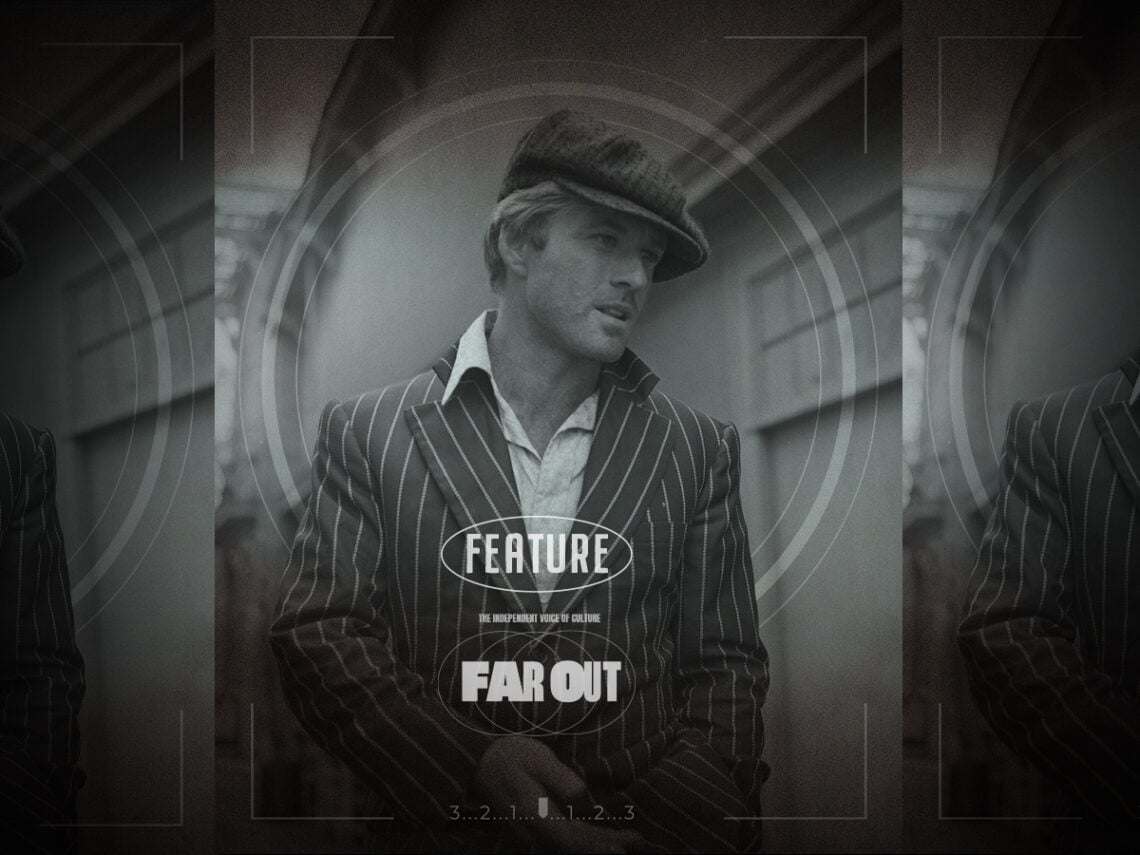
Robert Redford: Hollywood’s greatest leading man

The late, great Robert Redford will always have a place in the hearts of everyone who loves movies. After all, he was both Hollywood’s greatest leading man for several decades, and the artist who created American independent cinema as we know it today.

Not many actors have ever managed to straddle the line between true-blue Hollywood stardom and indie sweetheart status quite like Redford. You could even say he was one of the rare few in the business who genuinely ticked every box for just about everyone.

Take this, for instance: that famously chiselled jawline and swoopy head of hair had plenty of fans swooning, especially after seeing him in films like Barefoot in the Park, Out of Africa, or Up Close & Personal. And let’s be honest, plenty of blokes wished they had even half his swagger and easy charm, the kind he brought to roles like Butch Cassidy & the Sundance Kid or The Natural.

Redford was headlining box office smash hits like that for the better part of 50 years, and even if that’s all he’d ever done, odds are he still would’ve gone down as the greatest leading man to ever do it. Redford, being Redford, though, being a matinée idol was merely one string to his bow.

Throughout his career, Redford funnelled his personal interests in politics and social issues into his films, and made a huge number of fiercely intelligent films in those modes. In All the President’s Men, he spearheaded the greatest newspaper movie ever put to celluloid; in Three Days of the Condor, he took his place at the centre of a movie that defined Cold War paranoia in American cinema; and in The Candidate, he defined political satire for a generation. Once again, if these were Redford’s only contributions to cinema history, he’d still be at the top of the mountain, but they weren’t.

“I have no regrets, because I’ve done everything I could to the best of my ability.”

Robert Redford

From the get-go, Redford knew he wanted more creative control than your average A-lister usually gets. So, just over a decade after breaking out in Sundance Kid, he made his directorial debut with Ordinary People, a raw, emotional drama centred on family grief. That one ended up cleaning up at the Oscars — Donald Sutherland and Mary Tyler Moore starred, it nabbed ‘Best Picture’, and Redford walked away with ‘Best Director’ too.

In the years that followed, Redford went on to direct a string of other top-tier films like A River Runs Through It, Quiz Show, and The Horse Whisperer – all of which made it clear that Redford wasn’t just a star on screen, but a guy who could grasp the full picture of filmmaking.

Robert Redford - Butch Cassidy and the Sundance Kid - 1969
Credit: Far Out / 20th Century-Fox

As a side note, despite being one of the most beloved and acclaimed leading men in Hollywood history, Redford’s ‘Best Director’ Oscar win was the only time he triumphed at the industry’s biggest night. Preposterously, he was only nominated once for his acting, in 1973’s heist caper The Sting, and went home empty handed. Now, more than ever, it seems like a terrible oversight.

For my money, though, there is one overriding factor that truly seals Redford’s place as the greatest leading man in Hollywood history. You see, there aren’t many actors who you can say changed the entire moviemaking industry, and without them, the business as we know it today would look very different. Redford is one of those totemic figures, though, and what he did for the movies transcended even his greatest accomplishments on-screen.

By founding the Sundance Film Festival, Redford put his movie star clout to good use – backing the future of bold, challenging, and creatively risky indie films. He wasn’t just any leading man; he was someone determined to leave the film industry in a better place than he found it. And over time, he did just that by giving fresh filmmakers, writers, actors, and producers a real shot at getting their work in front of audiences.

Amazingly, before the festival became the most prominent indie movie festival in the country, it struggled to attract much fanfare in its early days of the late 1970s/early ’80s. Redford was so convinced it was vital to the industry, though, that he admitted, “I was standing out there ushering people into theatres” in Park City, Utah. Picture it for a second: can you honestly see Tom Cruise, Denzel Washington, or even Brad Pitt (Redford’s spiritual successor, some might say) loitering outside a cinema in chilly Utah, trying to sweet-talk passersby into watching some obscure indie flick? Yeah, me neither.

Combine that love for cinema as an art form with a thoughtful, smart actor who commanded the screen better than almost anyone in history, and that’s a recipe for an icon worthy of being dubbed the best.

ADD AS A PREFERRED SOURCE ON GOOGLE