


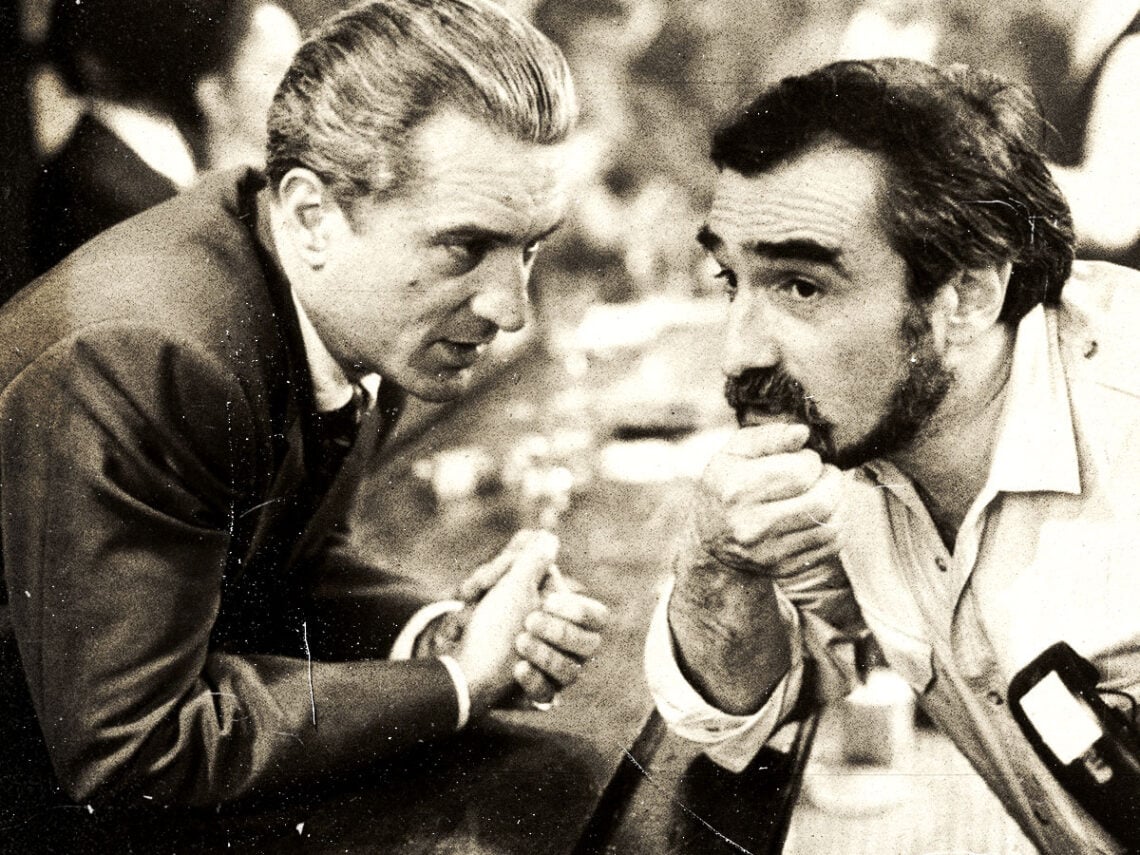
The Robert De Niro movie Martin Scorsese refused to direct: “We already did it”

Despite being one of cinema’s definitive actor/director partnerships, Robert De Niro isn’t going to come running every time Martin Scorsese calls, and vice versa.
They made eight movies together between 1973’s Mean Streets and 1995’s Casino, and it looked like they were destined to be together forever. And yet, if you disqualify their 2015 short film, The Audition, which you probably should, since it was made to advertise Chinese and Filipino casinos, almost a quarter of a century would pass before the ninth.
The legendary actor and iconic filmmaker did at least manage to make up for lost time, though, with their long-awaited reunion for The Irishman quickly being followed by Killers of the Flower Moon, putting to bed any lingering notions that Scorsese had ditched his original muse in favour of his new one, Leonardo DiCaprio, with the latter pairing them under their shared soulmate for the first time on the big screen.
It wasn’t as if they fell out, with the dynamic duo remaining friends in spite of their filmic distance. Offers were even made, but they were all shot down. De Niro had no interest whatsoever in headlining The Last Temptation of Christ, just like he didn’t want to play Martin Sheen’s role in The Departed, regardless of how easy it is to imagine him in either part.
The shoe was only placed on the other foot once, and Scorsese had a valid reason for rejecting his long-time acquaintance and accomplice. In the late 1990s, De Niro signed on to play a mob boss suffering from a crisis of confidence, and it’s no surprise he approached his Goodfellas and Casino director to return to familiar ground.
“We always checked in,” Scorsese explained. “He wanted me to do Analyze This, and I said, ‘We already did it. It was Goodfellas‘. I talked to him about other projects, and at one point he said, ‘You know the kind of stuff I liked to do with you.'” Most people would assume that Italian-American organised crime figures fit neatly into that bracket, but in this case, it didn’t.
Of course, the differences between Goodfellas and Analyze This are stark, since one is a decades-spanning epic about someone who always wanted to be a gangster as far back as they can remember, and the rise, fall, greed, power, corruption, murder, and misery that comes along with it.
The other is a lightweight, knockabout comedy designed almost entirely around the chemistry between De Niro’s Paul Vitti and his shrink, Billy Crystal’s Ben Sobel. It’s an enjoyable enough crime caper, and it was a big enough hit at the box office to justify a sequel, but at the time, Scorsese didn’t feel the need to return to the mafioso well yet again.
When he did, it was fitting that he had De Niro in tow, and the latter couldn’t imagine anyone else taking the reins of his passion project than the director he’s become intertwined with in the annals of cinema history.
