


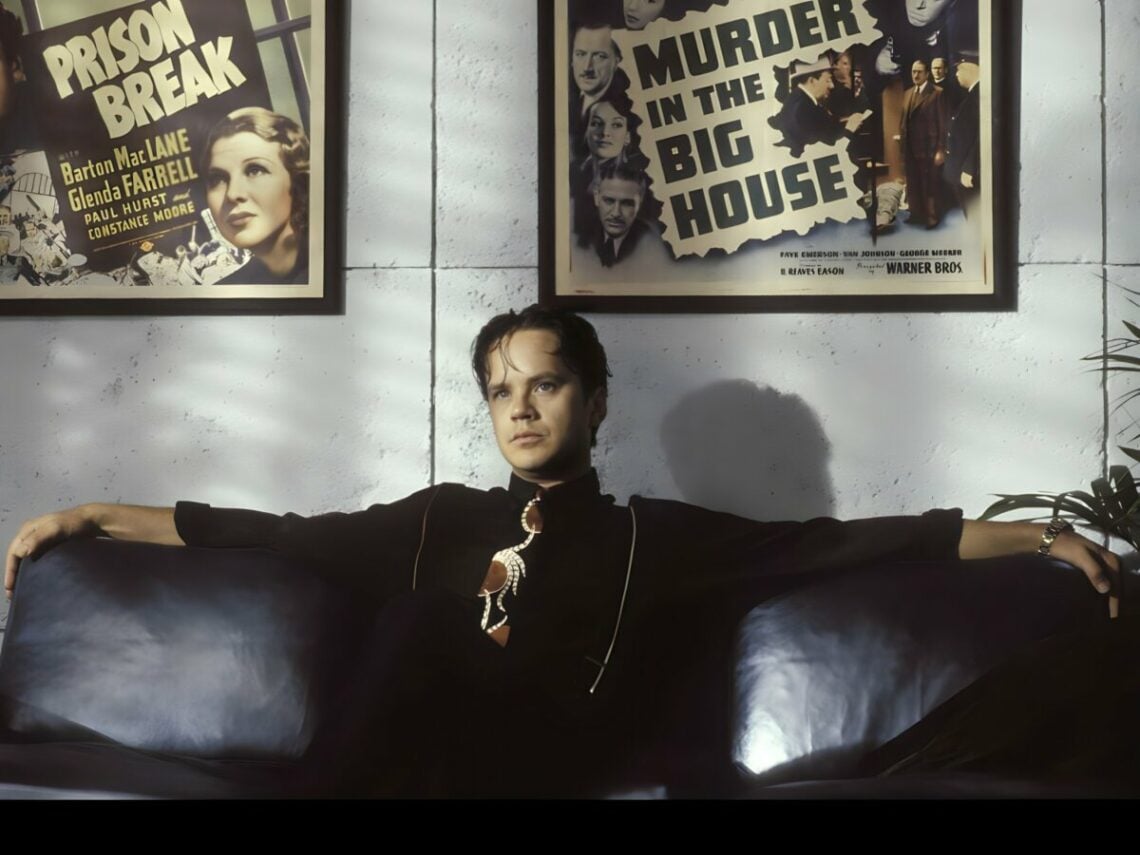
Robert Altman – ‘The Player’

Arriving rather late in the filmography of the American master of subversion, Robert Altman’s satire The Player is a classic of the director’s, despite being released two decades after his prime. The 1970s had been good to Altman, allowing him to make at least ten knock-out pieces of cinema in that decade – ranging from M.A.S.H. to McCabe & Mrs Miller. Whilst the 1980s certainly didn’t put the brakes on his filmmaking, like many other directors of his ilk and benefactors of the so-called ‘New Hollywood’, it signified a new era whereby his auteurism became considerably less valued by studios, and as a result, his films were drowned out by loud, big-budget franchises and sequels.
The Player follows studio exec Griffin Mill, played by Tim Robbins, who murders a screenwriter and gets away with it. The screenwriter turns out to be the wrong one – not, in fact, the guy who’s been mysteriously threatening Griffin with homicidal postcards and is now still at large – and so the plot unfurls, playing out as a contemporary neo-noir. From the opening eight-minute single-take that tracks across the studio lot to the 60-or-so cameos from the likes of Jack Lemmon and Cher, The Player is absolutely bursting at the seams with Hollywood references, inside jokes and metaphorical winks to the camera.
With every decision Griffin makes, his moral compass is eroded further, whether it be striking up a relationship with the girlfriend of the man he’s just killed or intentionally green-lighting a film he knows will flop. It’s gleefully fun to watch, as is the shameless blasting of the studio system and barely concealed representations of certain real-life figures. Watching innately selfish and greedy people screw each other over is always satisfying, even when the whole point is that there are no real repercussions. What’s so wonderful about the casting of Tim Robbins is that, although Griffin is objectively violent, deceptive and manipulative, we can’t help but have our fingers crossed for his victory.
Hollywood loves films about filmmaking, or rather, loves films about Hollywood, and, indeed, Altman’s passionate plea for a second chance at industry fame doesn’t go unheeded. However, The Player was never just about filmmaking. Altman chose the industry as a microcosmic representation of a much broader malaise he perceived to be infecting America: the cut-throat corporatism that had snuck in during the 1980s, where inherent greed had been allowed to mutate into out-right, psychopathic gluttony. Where certain people – if you were in the right suit, the right car, the right class and knew the right people – could figuratively and literally get away with murder.
It is, however, this die-hard commitment to a theme and message that pins The Player so absolutely to the 1990s, reflecting the freedom and creativity, as well as the troubles and controversy of the ‘glamourous’ industry. There is nothing inferior about the technical craft, and certainly not the performances, but by fixating so sincerely on depicting the perfect metaphor, The Player loses its elegant pertinence that the vast majority of Altman’s other work has. Even the score by Thomas Newman, a much-lauded and supremely talented composer, feels a little sticky, reflecting the awkward period of transition of musical tastes from the 1980s to the 1990s.
There is no doubt that The Player is a smart, bitingly satirical presentation of the very industry that is Robert Altman’s livelihood, but there’s also an acceptance here that his previous classics, such as 1973’s The Long Goodbye and 1975’s Nashville, simply look, sound and feel better, despite being released around 20 years prior. This, of course, isn’t to suggest that the film is without cinematic merit, with The Player showing off a comedic playful side of Altman that is rarely seen throughout his filmography.
Working in the same comedy wheelhouse as Mel Brooks’ The Producers whilst reaching for the grandeur of Billy Wilder’s Sunset Boulevard, Altman’s Player is an enjoyable romp that lacks narrative gravity.
