


The riot that sparked three classic rock songs: “The whole world is watching!”

The 1960s were brimming with political tension, from boycotts to protests to riots, all coming together to inspire some of the greatest music of all time.
With the United States endlessly exporting violence overseas back then, citizens who had managed to circumvent the draft, plus those whose loved ones had been sent over, took to the streets to push back against the government that had allowed it all to happen. While young men were being sent to Vietnam to kill and be killed, millions were engaging in civil disobedience on American soil and being stomped out for doing so, which became a recurring theme of the era.
This state of unrest had been prevalent in the US for years before the 1970 incident that saw four students at Kent State University being fatally shot by the Ohio National Guard for protesting the Vietnam War, one that famously inspired Neil Young to write ‘Ohio’, which he subsequently recorded with Crosby, Stills, Nash & Young.
Before and during the 1968 Democratic National Convention, tens of thousands of people came together on the streets in Chicago to demand an end to the war in Southeast Asia, and unsurprisingly, the Chicago Police Department’s brutalising intervention in riot gear soon after left hundreds of protesters and civilians injured, becoming a pivotal moment in the anti-war movement since a lot of the violence was caught on camera and covered by news stations.
As a result, The Doors, Graham Nash and Chicago (known as Chicago Transit Authority at the time) all wrote songs about the disgraceful incident over the following years to stress the deteriorating state of the country at the time.
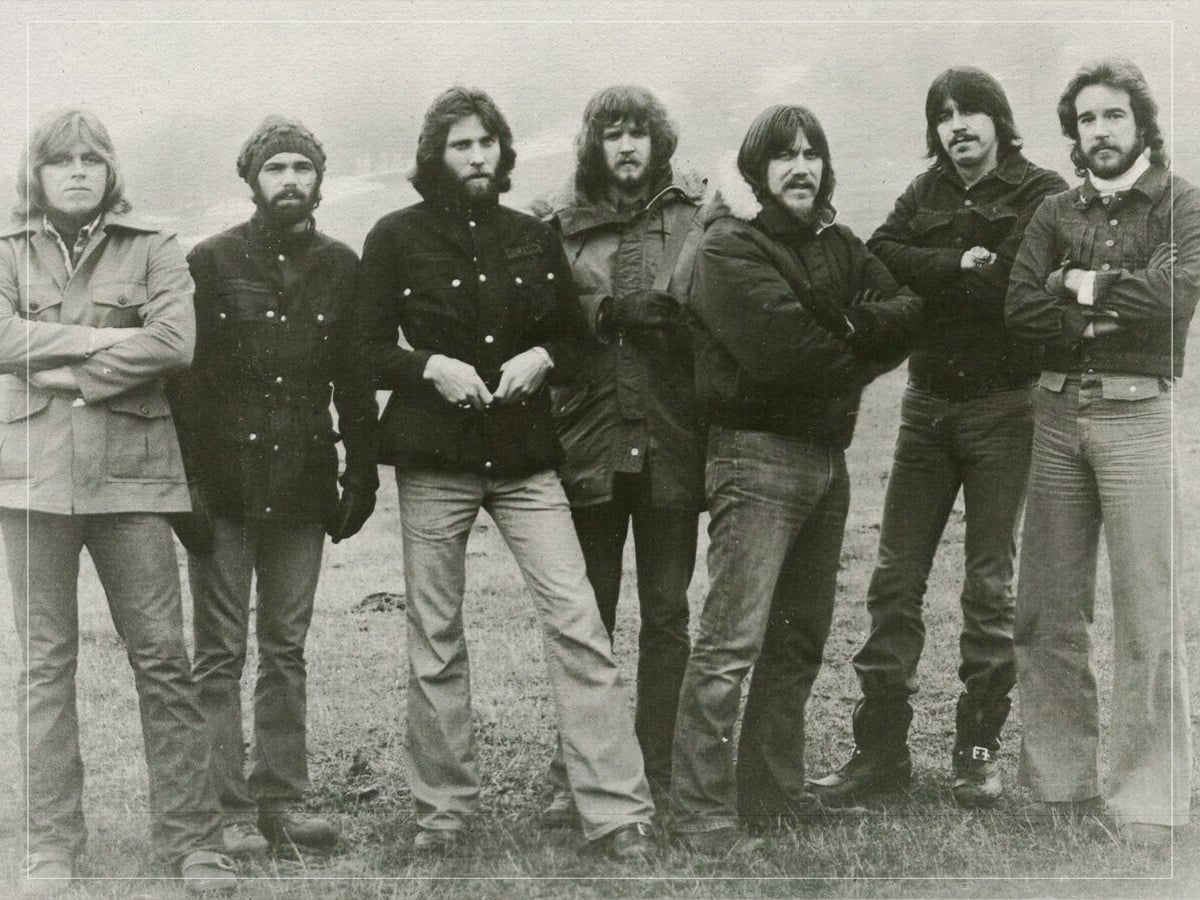
The first to pen a tune about the riots was Chicago, whose proximity to the ordeal as a local band made it a pressing concern for them that resulted in their 1969 debut album’s ‘Someday’, which opens with recordings of the crowds from the protest reciting the now-famous chant, “The whole world is watching!”
The following year, The Doors released ‘Peace Frog’ as part of their Morrison Hotel album, making for one of the catchiest cuts from the tracklist, featuring singer Jim Morrison singing, “Blood in the streets, the town of Chicago / Blood on the rise, it’s following me”.
Another year later, Graham Nash released his first-ever solo single in the form of ‘Chicago’, which he later released on his debut album, addressing the political turmoil across the US in the context of the violence in Chicago as well as the ensuing trial of the Chicago Seven, who were charged with inciting the riot.
Protests against the war in Vietnam persisted and multiplied till US troops finally withdrew from the country in 1975, although far too many people had already been killed by then. The ‘Summer of Love’ emerged in conjunction with the war in question, and the hippie movement of the ’60s and ’70s sought to bring an end to it by demonstrating the strength in numbers.
The bloodshed across the Pacific united American folk across the country, sparking a movement energised by culture-shifting art that changed the Western world forever, and decades later, the many different acts of protest that took shape during that era continue to serve as blueprints for civil disobedience against tyrannical governments.
