


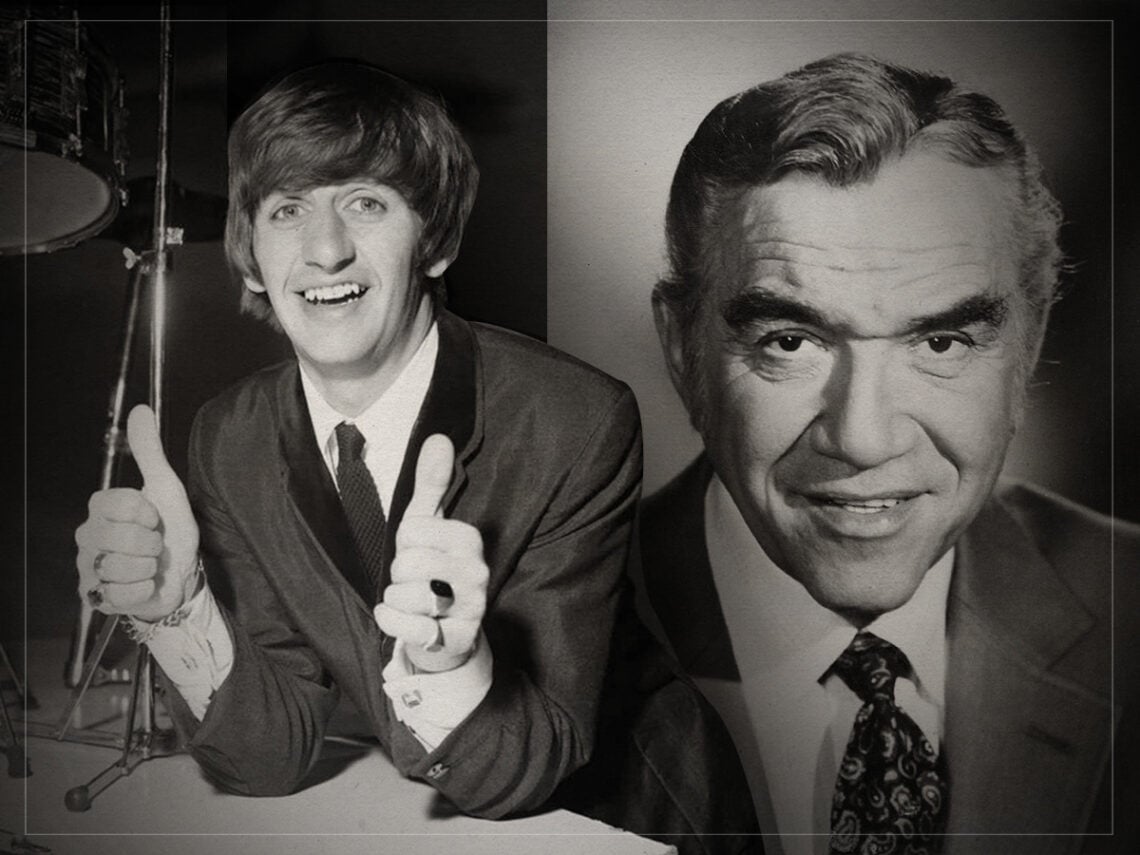
‘Ringo’: The strangest chart-topper of the 1960s

How many people do you know called Ringo? Unless you are a fan of the Argentine boxer Ringo Bonavena, or the 1950s-era Green Bay Packers centre Jim Ringo, the likelihood is that Ringo Starr is the only person that comes to mind – and it was exactly that assumption that spurred on a 1964 hit for Lorne Greene.
1964 was the year of The Beatles, after all; in February of that year, the Fab Four, already dominating the airwaves of their native United Kingdom and much of mainland Europe, touched down on US soil and changed the landscape of pop music forevermore. Beatlemania was in full effect, and the music industry, never wanting to miss a trick, was desperate to cash in on their newfound stardom, even those who didn’t have even the slightest connection to the Merseybeat heroes.
All of a sudden, countless groups emerged attempting to emulate the look, sound, and energy of The Beatles, and some of them, hopeful young groups, amassed rather impressive careers as a result. Even by those standards, though, Lorne Greene’s 1964 single ‘Ringo’ was something of an oddity.
A spoken word track with a country atmosphere and a debt to the western films that dominated the silver screen at that time, the RCA-released single was not a natural entry into the US pop charts, much less the top spot.
Admittedly, Lorne Greene had enough draw to culminate in a chart hit, being at the peak of his acting career, playing Ben Cartwright in the Western series Bonanza. Despite the success of that programme, though, the idea that a strange – albeit endearing – Western narrative could triumph over the likes of The Supremes, The Rolling Stones, and, indeed, The Beatles, all of whom trailed behind ‘Ringo’, is pretty baffling.
You could certainly point the blame at the music-buying public, who, let’s face it, have sent some pretty dismal tracks to number one over the decades.
Given the relative obscurity of a name like Ringo, though, it seems far more likely that Greene, or rather Don Robertson and Hal Blair, who wrote the song, sought to capitalise on the dominance of The Beatles, essentially tricking people into buying a single that they might assume is either about or by Ringo Starr.


Thematically, the song itself has nothing to do with The Beatles’ drummer, unless the ‘peace and love’ percussionist was a Wild West outlaw in a previous life. Within the context of the song, the name of that outlaw isn’t overly important, and it doesn’t even add to the rhyming structure of the lyrics. Realistically, then, the titular character could have been named anything, including a name much more common in the Wild West than Ringo.
Whether or not the song was deliberately intended to capitalise on the marketability of the Ringo name, Lorne Greene’s ‘Ringo’ ended up becoming one of the strangest number-one singles of the 1960s, and it either typified the popularity of Westerns, the dominance of The Beatles, or both at the same time.

Never Miss A Beat
The Far Out Beatles Newsletter
All the latest stories about The Beatles from the independent voice of culture.
Straight to your inbox.