


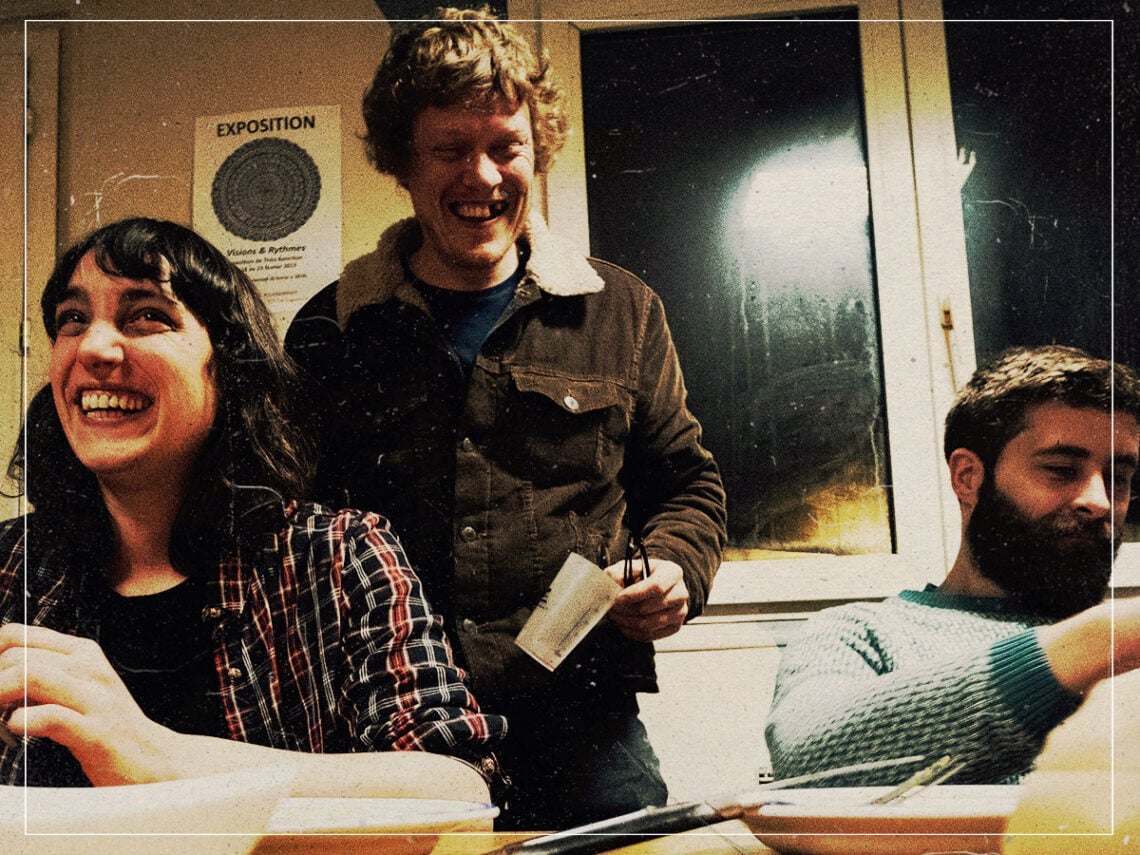
Reciprocate – ‘Soul To Burn’ album review: a unique but discordant offering

There’s one easy way to categorise rock records, and it’s to imagine the kind of scenes it would fittingly soundtrack. Some variants lend themselves well to crashing a car at high speed (famously Motörhead), and others leave you imagining more sedate psychedelic scenes (most of the 1960s output). But when I listen to Soul to Burn, the latest from London trio Reciprocate, I draw a blank.
You get the sense guitarist and vocalist Stef Kett would be pleased with that, given the album came to him when he pondered why the fusion of funk-rock often sounded so bad. The result of that line of thought was their second album, one they loosely define as “alt-soul”. Both Kett and drummer Henri Grimes have spent the best part of a decade creating music that equally refuses categorisation, fusing blues, hardcore and prog rock to dizzying effect.
Joined by bassist Marion Andrau, all three members have drawn from the rock tradition that is the trio, but they come together with such sonic force it seems impossible there are any less than ten people involved. It truly is an onslaught of sound, and even tracks that don’t vibrate with wailed vocals, complex layers of riff and sudden rhythm changes, Grimes’ drums explode, and the not-so-quiet guide the shapes the entire album.
It’s abundantly clear their aim was to create something unique, which is a delight in an age when the Rolling Stones are still somehow trotting out hits. It’s easy to forget how versatile the rock format is when wrapped in a balm of disparate influences, but it’s equally hard to enjoy such a discordant album. Each track is so dissimilar from the last; it’s a standalone feature piece.
‘Alsabus’, a smoky blues number almost reminiscent of Peter Green’s ‘A Fool No More’, is a magic, swaggering song, low tempo and restrained. But then the atonal emotive vocals on ‘Pissed Hymn’ whip you forward in time to the reign of indie rock but then startle you again by introducing a touch of psych. It feels almost sacrilege to knock an album so genuinely refreshing, but as a pure listening experience, it becomes too cacophonous at times. They wear their influences on their sleeve, particularly Captain Beefheart’s love of subverting music norms, but the result of this brilliant, unique aim is that there’s no cohesion whatsoever.
Again, not an issue in and of itself, but you’re left yearning for a closer sense of the band. What would they play if forced to pick one genre? There’s clear technical mastery in the saunter from prog-rock to blues, but the slickness isn’t there from track to track. Their writing process, which involved Kett bringing chunks of guitar parts to Grimes, makes a lot of sense when it comes to this.
“I was taking these songs to Henri without offering him any context, so he could attach his terrific drumming and make it all sound fabulous,” Kett explains, which makes more sense still of why the drumming is so seamlessly positioned against the guitars. Bass was the last to be written: “Because it is what smooths the often batshit guitar [and] drum motifs. That is usually the intention; to take outlandish motifs, put them to soul music structures, and make them semi-plausible as pop songs.”
With varying levels of success, they smooth out the batshit element. Its plausibility as listener-friendly is highly questionable, but maybe the fact it’s not is a nice rarity. Fans of rock’s more progressive bent will love this album, as will – at least in part – blues and funk fans.

Never Miss A Beat
The Far Out New Music Newsletter
All the latest New Music from the independent voice of culture.
Straight to your inbox.