


Reassessing the ‘Twilight’ franchise a decade later

They say time heals all, which can definitely be the case in the realm of cinema.
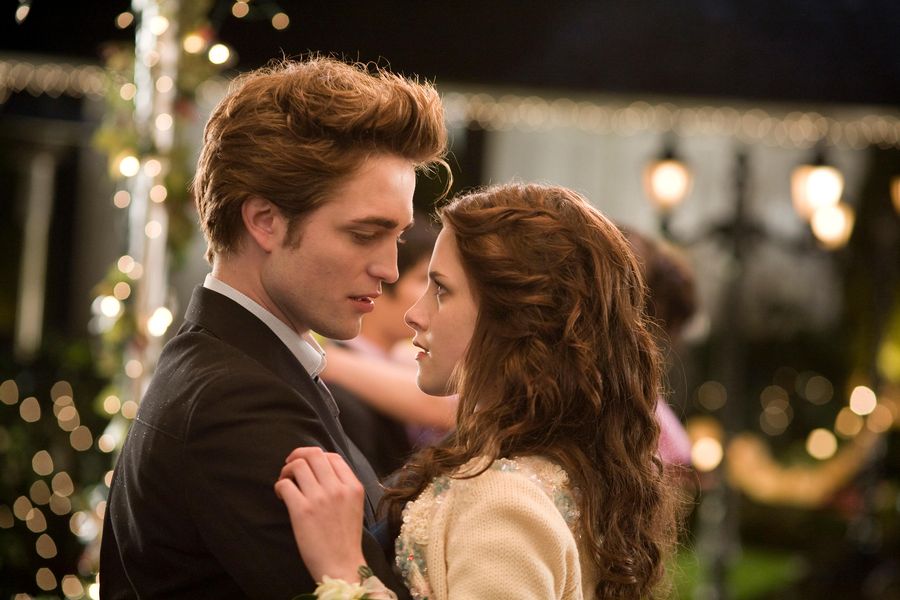
Stephenie Myers, Catherine Hardwicke, Chris Weitz, David Slade and Bill Condon have experienced this when it comes to their work on the Twilight book adaptations. The first film, adapted from Myers’ novel published in 2005, was released in 2008 and directed by Catherine Hardwicke. Twilight follows the switch in teenager Bella Swan’s life when she meets a mysterious student called Edward at her new school. After discovering that Edward is secretly a vampire, Bella finds herself in a supernatural yet passionate teen love story. Famously, the film stars Kristen Stewart and Robert Pattinson in the lead roles.
This introduction to the Twilight series was met with poor reviews. However, it managed to gross $407million, setting the precedent for swarms of young fans to show their adoration. The film garnered enough success to be followed by the next books in the series. New Moon was released just a year later, with Eclipse following in 2010. The final book, Breaking Dawn, was adapted into two parts; Part I was released in 2011 and Part II in 2012.
The Twilight Saga ended ten years ago today, and a lot has changed in that time. To situate how it used to be, Twilight was running up against other young adult novel adaptations that Hollywood was pushing out every few months. These included the likes of Divergent, The Maze Runner, and The Hunger Games. However, most understand who the leader of this group was; his round glasses and lightning scar are ingrained in the minds of most blockbuster fans.
The Harry Potter Franchise was the ‘cooler’ (or just directly ‘cool’) older sibling of Twilight, which was panned online for having cringe-infested dialogue and the most awkward performances by its cast. The franchise was constantly mocked in online memes, mostly for its universally disliked portrayal of vampires, changing them from fierce, proud predators to whining, lovesick teens that glitter like a disco ball. Teen girls were mocked for wearing ‘Team Edward’ and ‘Team Jacob’ shirts and having crushes on the two male leads. Critics attacked the films’ plots with scathing brandings of ‘weak’, ‘embarrassing’ and ‘boring’, stating that they were for immature audiences who were too easy to satisfy.
Meanwhile, Harry Potter was receiving praise left, right and centre for every little thing J. K. Rowling and the massive production team put together. In fact, for a period of time, Twilight was also accused of copying Harry Potter by having its ‘epic’ finale split into two separate films to maintain momentum and attention. Anyone who was a YA book-to-film fan during this time will immediately remember the different responses between the two and how monumental they were.
Basically, it was cool to be a Harry Potter fan but seriously uncool to be a Twilight fan. However, that’s all changed since Twilight ended ten years ago.
The franchise has received a revival online, mostly through the social media sites Twitter and Tiktok. Users receive thousands upon thousands of likes and retweets when they post about watching and liking Twilight. There are even jokes that the movies are actually superior to classic efforts directed by some of the film’s very best. With that, the visuals and soundtracks are being recycled as modern trends, as the internet is obsessed with categorising aesthetics as inspired by pieces of media.
‘Twilightcore’ is identified by similar outfits worn by Bella in the early releases, such as thin dark jumpers over plain T-shirts, showing that the mid-to-late 2000s are coming back to the current trends. The image of Bella Swan experiencing a depressive episode during New Moon makes an appearance at the beginning of every autumn season with the caption, “Its her season”. Fans even associate a grey and gloomy rainy day with ‘Twilightcore’ due to the original lighting palette and setting. This alone has pushed the films into ‘cult classic’ status.
This increase in popularity with Twilight is happening alongside a decrease in its arch nemesis’ popularity. In the last few years, ‘Harry Potter’ author J. K. Rowling’s attacks on trans women have caused a rift between fans and the books and films. The stance that you cannot – and should not – separate art from the artist means you can no longer view Harry Potter without the interest being conjoined with Rowling’s transphobia.
The 20-year anniversary special of the films aired at the beginning of this year, yet there was hardly any response. This contrasts a great deal with the media and cultural mayhem that took place when the final film came out in 2011. It seems that Twilight has had the last laugh over the boy who lived.
As Myers seems to have little to no controversy surrounding her, Twilight continues to experience a renaissance and gain new fans.
Interestingly, the stars of the previously scorned franchise have received a revival and change in attitudes towards their careers in the last decade. Kristen Stewart went from receiving constant hate, mockery and rejection from movie fans to, seemingly overnight, emerging something of a treasure. Stewart reinvented herself by appearing in mostly indie flicks that prioritise art over the often murky economic business. The biggest step in her career makeover was when she received an Oscar nomination for her role as Princess Diana in Spencer, a huge jump from her days as awkward plain teen Bella. Robert Pattison, who also appeared in the Harry Potter films, has transformed himself through roles in The Lighthouse, Good Times and most notably, The Batman. These performances received acclaim and helped the English star shake off his shallow tween heartthrob image.
Overall, the change the Twilight franchise has undergone since it ended is an impressive and steady one. They have appeared to have beaten the odds and are now essentials in the ‘cool film girl’ online persona. If you were a fan of Twilight ten years ago, it’s safe to say you were ahead of the times in film taste.
